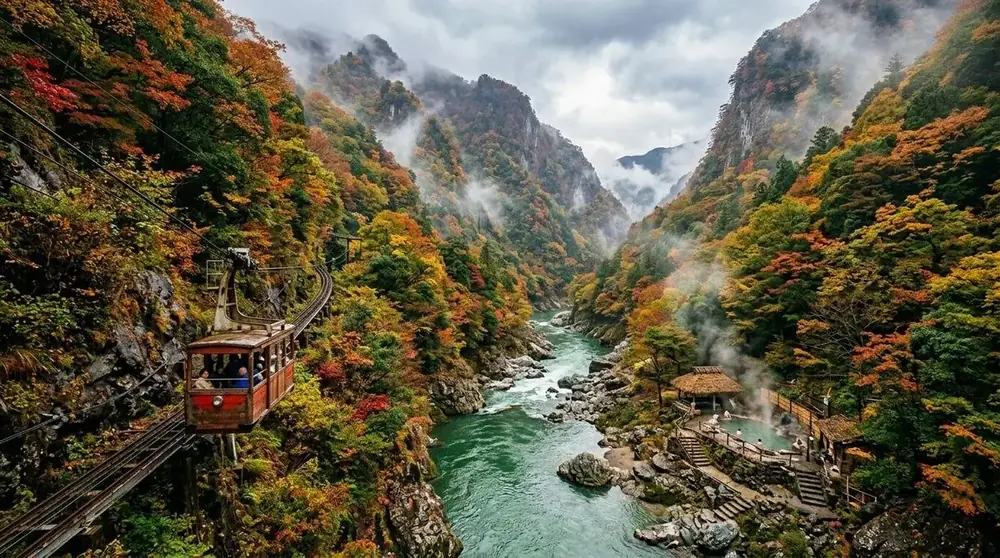
Mountain & valley

122 results
Illustrative onsen mood image
Kumamoto · Kurokawa OnsenTattoos: Ask ahead

Kurokawa Onsen Nyuto Tegata (bath-hopping pass)

One cedar 'nyuto tegata' pass (¥1,500) admits you to any three of the rotenburo at Kurokawa's 26-odd ryokan. Valid for six months, and one of the three stickers can be spent on food or souvenirs instead. Most inns accept bathers roughly 8:30–21:00, but hours vary and some close for cleaning or when full. Buy the pass at any ryokan or the association office 'Kaze no Ya'.

Onsen townDay-trip onsenDay use ¥1,500
Illustrative onsen mood image
Okayama · Yubara OnsenTattoos: Ask ahead

Yubara Onsen Sunayu

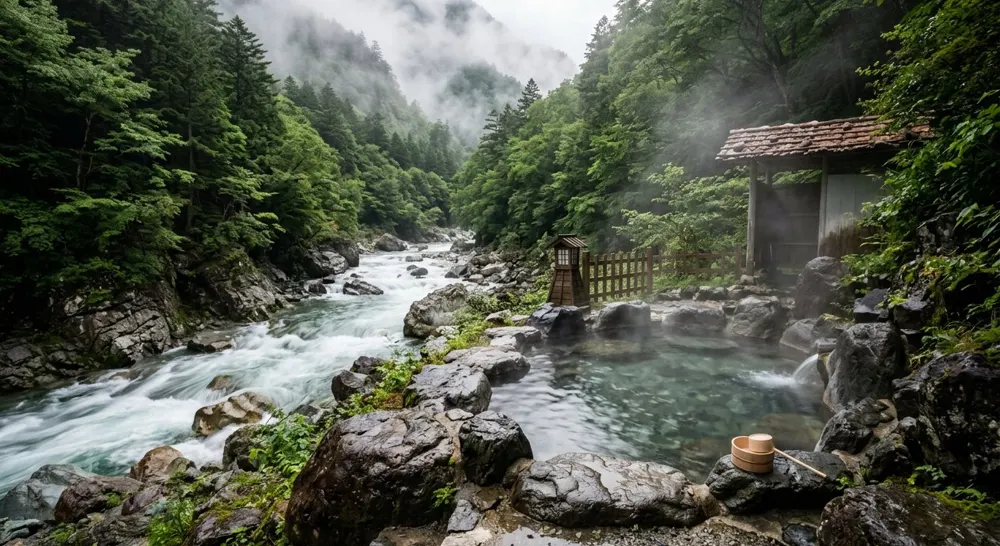
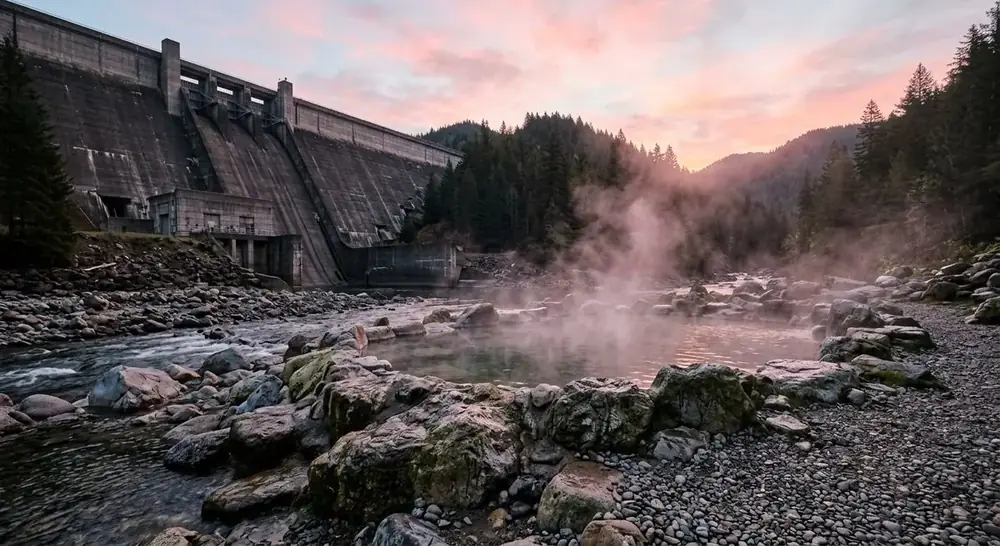
A natural open-air bath on the Asahi River gravel bed right below Yubara Dam, where water bubbles up through the riverbed itself — ranked the 'western grand champion' of Japan's rotenburo. Three pools at different temperatures; mixed, free and open 24 hours. Only a simple changing hut, so women are advised to wear a bathing garment (sold and rented in town). Closed Wednesday mornings for cleaning. Photography strictly forbidden.

Day-trip onsenRemote onsenDay use Donation / free
Illustrative onsen mood image
Iwate · Hanamaki OnsenTattoos: Ask ahead

Osawa Onsen Jisuibu Tojiya

A wooden toji (therapeutic stay) inn over 200 years old on the Toyosawa River in the Hanamaki-Minami onsen area, once frequented by poet Kenji Miyazawa. Its signature is 'Osawa-no-yu', a mixed open-air bath jutting over the river, with women-only hours. Day bathing from 7 am; ¥700 covers three baths. Many linger for lunch and sake at the 'Yahagi' dining room. Free shuttle from Hanamaki Station.

Day-trip onsenOnsen ryokanDay use ¥700
Illustrative onsen mood image
Nara · Totsukawa OnsenTattoos: Ask ahead

Totsukawa Onsen Iori-no-yu

At the southern tip of Nara, directly opposite the Totsukawa Onsen bus center where Japan's longest local bus route (Yagi–Shingu) stops. A small all-timber bathhouse looking down on the Futatsuno dam lake. The whole village has pledged 'free-flowing spring water only', so nothing is recirculated. Free foot bath, hand bath and drinking fountain. Combine with the Kumano Kodo and Tanize suspension bridge.

Day-trip onsenPublic bathhouse (sento)Day use ¥600
Illustrative onsen mood image
Yamanashi · Hottarakashi Onsen (Yamanashi)Tattoos: Ask ahead

Hottarakashi Onsen — Acchi-no-yu

On a mountainside above the Kofu basin, a spectacular open-air bath with Mt. Fuji and the city lights in view. It opens 'one hour before sunrise', so people arrive in the dark to watch dawn break over Fuji from the water. Of the two bathhouses, 'Acchi-no-yu' is the larger with the better view. ¥900. The deep-fried hot-spring egg from the food stall is a must. Ten minutes by taxi from Yamanashi-shi Station; a feasible day trip from Tokyo.

Day-trip onsenNatural hot springDay use ¥900
Illustrative onsen mood image
Iwate · Hanamaki OnsenTattoos: Ask ahead

Namari Onsen Fujisan Ryokan

A wooden ryokan founded in 1841 on the Toyosawa River at the far end of the Hanamaki onsen villages. Its signature is 'Hakuen-no-yu', a self-welling rock pool about 1.25 m deep that you stand in — billed as Japan's deepest rock bath. Five springs feed four bathhouses, all 100% free-flowing. Day use ¥800, 10:00–21:00. Hakuen-no-yu is mixed bathing with women-only hours. Free shuttle from Hanamaki Station by reservation.

Day-trip onsenOnsen ryokanDay use ¥800
Illustrative onsen mood image
Nara · Totsukawa OnsenTattoos: Ask ahead

Totsukawa Onsen Ikoi-no-yu

A village-run public bath on the shore of Futatsuno Dam lake in Totsukawa, the village that declared all its baths 100% free-flowing. Attached to a seniors' centre, it's plain but pours 70°C bicarbonate-chloride water straight in with no recirculation. Handy on Tuesdays when nearby Iori-no-yu is closed. ¥600, 9:00–21:00, closed only Jan 1–2. Five minutes' walk from Totsukawa-Onsen bus stop.

Day-trip onsenPublic bathhouse (sento)Day use ¥600
Illustrative onsen mood image
Tochigi · Kinugawa OnsenTattoos: Ask ahead

Kinugawa Onsen Niouson Plaza (day bathing)

A small riverside hotel on the south side of Kinugawa Onsen, five minutes from Tobu World Square Station. While the big hotels stop day bathing around 15:00, this one welcomes walk-ins 9:00–21:00 for ¥700. Its own alkaline sulfur spring (43.6 °C) flows 100% free into a quirky set of baths: a rotenburo made from an actual Kinugawa river-cruise boat, a rock rotenburo, indoor baths and a swimsuit mixed bath. The slightly cool, silky water is highly rated by onsen fans.

Day-trip onsenOnsen ryokanDay use ¥700
Illustrative onsen mood image
Kagawa · Shionoe OnsenTattoos: Ask ahead

Livemax Resort Sanuki Shionoe Onsen (former Sanuki Onsen)

A lone inn in the hills of Shionoe, Takamatsu's traditional retreat and one of only two nationally designated therapeutic hot-spring areas on Shikoku. Its own pH 8.4 bicarbonate spring feeds a rotenburo above the stream, an indoor bath and a sauna, with a large free rest room. Day use in two sessions — 6:00–11:00 and 15:00–22:00 — for ¥700. Just 20 minutes by car from Takamatsu Airport, so handy before a flight.

Day-trip onsenOnsen ryokanDay use ¥700
Illustrative onsen mood image
Hiroshima · Yuki OnsenTattoos: Ask ahead

Yuki Onsen Yuki Lodge

An hour by car from central Hiroshima, a city-run lodge at Yuki Onsen, 'Hiroshima's back parlour'. The rotenburo above the clear Minochi River and the timber-lined main bath are all free-flowing, with a rare mildly radioactive (radon) spring. ¥750 per visit or ¥1,000 for an all-day pass. Open till 21:00 in summer, 20:00 in winter. Direct buses run from Hiroshima city — an easy hot-spring break between Miyajima and the Peace Park.

Day-trip onsenOnsen ryokanDay use ¥750
Illustrative onsen mood image
Wakayama · Ryujin OnsenTattoos: Ask ahead

Ryujin Onsen Motoyu

The source bath of Ryujin Onsen, counted with Yunokawa and Kawanaka among Japan's 'three beauty baths'. It stands on the Hidaka River deep in the Kii mountains, with a cypress indoor bath and a rock rotenburo overlooking the stream. The silky bicarbonate water is famous for leaving skin smooth. ¥800, 7:00–21:00, open daily. An hour by car from Koyasan via the Koya-Ryujin Skyline, or about 80 minutes by bus from Kii-Tanabe.

Day-trip onsenPublic bathhouse (sento)Day use ¥800
Illustrative onsen mood image
Aomori · Tsuta Onsen & OiraseTattoos: Ask ahead

Tsuta Onsen Ryokan

A lone inn in a primeval beech forest on the southern flank of Mt. Hakkoda. Spring water wells up directly through the gaps in the hiba-cypress boards on the tub floor — 'free-welling', so you bathe in water that has never touched air, a rarity even in Japan. The all-hiba 'Kyuan-no-yu' bathhouse from 1918 is magnificent. Day use 10:00–15:00, ¥1,000; may close early when busy. Combine with the hour-long trail around Tsuta-numa pond, famous for autumn colour. Closed in winter.

Day-trip onsenOnsen ryokanDay use ¥1,000
Illustrative onsen mood image
Fukushima · Takayu OnsenTattoos: Ask ahead

Takayu Onsen Attaka-yu

Thirty minutes by car from Fukushima city, the communal bath of Takayu Onsen at 750 m on Mt. Azuma. Every bath is open-air, filled with milky-white sulfur water that is neither diluted nor heated. There's a timber men's bath, a rock women's bath and a reservable private rotenburo. A ¥500 gateway to a spa town that has kept its water free-flowing for 400 years. Closed Thursdays; one-hour limit. At the foot of the Bandai-Azuma Skyline — ideal with an autumn drive.

Day-trip onsenPublic bathhouse (sento)Day use ¥500
Illustrative onsen mood image
Iwate · Oshuku & Tsunagi OnsenTattoos: Ask ahead

Oshuku Onsen Hotel Uguisu

Fifty minutes by bus from Morioka, a family-run hotel in Oshuku Onsen, a 450-year-old spa where legend says a bush warbler healed its wounds. The area is rich in hot water, and the clear alkaline spring flows freely into the indoor and open-air baths — day use just ¥600, 11:00–19:00, half price on the 26th of each month. Easy to add after Koiwai Farm, Shizukuishi ski slopes or Morioka sightseeing.

Day-trip onsenOnsen ryokanDay use ¥600
Illustrative onsen mood image
Okayama · Okutsu OnsenTattoos: Ask ahead

Okutsu Onsen Hanabijin-no-Sato

A town-run day spa at Okutsu Onsen, one of the three Mimasaka hot springs and famous for the autumn colours of Okutsu Gorge. The airy, high-ceilinged main bath holds pH 9-plus alkaline 'beauty water', with a rotenburo, family baths and sauna. ¥880, 10:00–19:00, closed Thursdays. The gorge trail is within walking distance, so it fills up after leaf-viewing in autumn. Forty minutes by car from Tsuyama.

Day-trip onsenNatural hot springDay use ¥880
Illustrative onsen mood image
Tokushima · Iya OnsenTattoos: Ask ahead

Hotel Kazurabashi – Sky Open-Air Bath

Five minutes by car from the Kazurabashi vine bridge, this popular Iya inn is famous for its 'sky open-air bath' reached by private cable car. Day bathing (¥1,200) runs 10:30–16:00; the goemon cauldron baths are for overnight guests only. A free sky footbath on the viewing deck is spectacular on mornings with a sea of clouds. With Hotel Iya Onsen it forms Iya's pair of 'cable-car onsen', ideal for a break while touring the valley.

Day-trip onsenOnsen ryokanDay use ¥1,200
Illustrative onsen mood image
Nara · Totsukawa OnsenTattoos: Ask ahead

Tōsenji Onsen Izumi-yu (Totsukawa)

The village-run public bath of Tōsenji Onsen, the oldest spring in Totsukawa. pH 9.1 alkaline sulfur water flows fresh from the source even through the taps, leaving a faint sulfur scent and slippery skin. Just a stone open-air bath facing the gorge and an indoor tub—simple and ¥600. Handy on Route 168 en route to the Tanize suspension bridge or Kumano Hongū Taisha.

Day-trip onsenPublic bathhouse (sento)Day use ¥600
Illustrative onsen mood image
Ibaraki · Tsukubasan OnsenTattoos: Ask ahead

Tsukubasan Onsen Tsukuba no Yu

About 90 minutes from Akihabara via the Tsukuba Express, a day spa on the slopes of Mt. Tsukuba. The open-air bath opens onto a cliff with the whole Kantō plain below—the classic post-hike or post-cable-car soak. Alkaline simple spring water around pH 9 leaves skin smooth. ¥1,100 weekdays, ¥1,300 weekends; reservable private baths too. Check the calendar for closure days.

Day-trip onsenNatural hot springDay use ¥1,100
Illustrative onsen mood image
Kōchi · Shimanto / Matsubakawa OnsenTattoos: Ask ahead

Hotel Matsubakawa Onsen (Shimanto)

A solitary inn on the Hinoji River in the Shimanto headwaters. Its viscous, highly alkaline water has been revered as a healing spring since the Edo period, and a day soak is a modest ¥700. Enjoy the open-air bath above the stream or book a private bath. Open late, 10:30–21:00, and 30 minutes by car from Kubokawa Station—ideal after canoeing or cycling the Shimanto.

Day-trip onsenOnsen ryokanDay use ¥700
Illustrative onsen mood image
Akita · Tamagawa OnsenTattoos: Ask ahead

Shin-Tamagawa Onsen

A modern cure-bath inn fed by Tamagawa Onsen, Japan's most acidic spring at pH 1.2. The hiba-cypress bathhouse lines up 15 tubs — 100% source, 50% diluted, mildly acidic and more — so you can choose by condition. Day use 10:00–15:00, ¥1,000 (revised April 2026). An indoor stone-slab bath (¥800) is also available, and unlike the original Tamagawa it stays open all winter for snowbound soaking. About 70 min by bus from Tazawako Station.

Day-trip onsenOnsen ryokanDay use ¥1,000
Illustrative onsen mood image
Toyama · Unazuki OnsenTattoos: Ask ahead

Unazuki Onsen Tochi-no-yu

A city-run day bath on the shore of the Unazuki dam lake. From the lakeside open-air bath you can watch the Kurobe Gorge trolley train crawl along the far cliff — a favourite with railway fans. Just ¥510 including shampoo and hairdryers, with silky mildly alkaline water. Open only from late April to early December; closed in winter. Five minutes from Unazuki-Onsen Station by the free 'EMU' shuttle or car.

Day-trip onsenNatural hot springDay use ¥510
Illustrative onsen mood image
Tochigi · Nasu OnsenTattoos: Ask ahead

Ōmaru Onsen Ryokan, Oku-Nasu (River Bath)

A lone inn at 1,300 m, the last stop in the Nasu hot-spring range. Spring water gushes out behind the building in such volume that it forms a river, dammed into the vast outdoor 'Kawa-no-yu' — nothing else like it in Japan. Mixed bathing since the inn's founding, but bathing wear is included so beginners can relax. Day use is limited to three hours (reception 11:30–14:30), ¥1,300 with face towel and bathing wear. The outdoor bath closes in bad weather or for cleaning, so phone ahead. Autumn colour and snow seasons are the draw.

Day-trip onsenOnsen ryokanDay use ¥1,300
Illustrative onsen mood image
Wakayama · Kumano Hongu Onsen (Yunomine & Kawayu)Tattoos: Ask ahead

Kawayu Onsen Sennin-buro (winter only)

At Kawayu, where 73°C spring water bubbles up through the bed of the Ōtō River, a giant outdoor bath is created every December to February by damming the river. Roughly 50 by 15 metres — big enough for 'a thousand people', as the name says — it's tempered to perfection by the river's cold flow. Free (donation box), 6:30–22:00, swimwear required, open to everyone. Bathing is suspended in bad weather or high water and opening dates shift from year to year. In summer you can dig your own pool in the gravel. Combine with Yunomine and Watarase for the three Hongu baths.

Day-trip onsenNatural hot springDay use Donation / free
Illustrative onsen mood image
Nara · Dorogawa OnsenTattoos: Ask ahead

Dorogawa Onsen Visitor Center

A village-run day bath in the Dorogawa onsen street at 820 m, the trailhead for sacred Mt Ōmine. Reopened in April 2024 after renovation, it heats its water with a wood boiler burning local forest thinnings. Yoshino-cedar indoor bath, open-air bath and a rest room; the mildly alkaline water leaves skin silky. ¥800, 11:00–20:00, closed Wednesdays. Pair it with the lantern-lit wooden inns, the 'Gorogoro' spring water (one of Japan's 100 famous waters) and Menfudō limestone cave for one of Kansai's best retro onsen strolls. Busy as a summer retreat.

Day-trip onsenNatural hot springDay use ¥800
Illustrative onsen mood image
Fukushima · Aizu Higashiyama OnsenTattoos: Ask ahead

Aizu Higashiyama Onsen Harataki

An inn with its own spring midway along the Yukawa gorge, where the ryokan of Higashiyama Onsen line the river 10 minutes by car from central Aizu-Wakamatsu. Day visitors get the riverside open-air bath facing a waterfall and the main bath for ¥1,100 including a small towel, 13:00–20:00. Private panoramic baths (¥1,650) and lunch packages are also offered. With 1,300 years of history, Higashiyama was the retreat of artists such as Takehisa Yumeji and poet Yosano Akiko — a natural finish to a day at Tsuruga Castle and the Byakkotai sites on Iimoriyama. Reception hours may shorten when busy.

Day-trip onsenOnsen ryokanDay use ¥1,100
Illustrative onsen mood image
Chiba · Yoro Valley OnsenTattoos: Ask ahead

Yoro Valley Onsen Sagawa

A 12-room inn in Yoro Valley, the Boso Peninsula's autumn-colour spot and the last place in the Kanto region to turn, peaking late November to early December. Boso's signature coffee-coloured alkaline 'black water' fills the indoor and open-air baths; day use is a flat ¥700 for ages 3 and up, 11:00–15:00. Eat lunch in the dining room and the bath is free — spring bamboo-shoot dishes are the speciality. Five minutes by bus from Yoro-Keikoku Station on the Kominato Railway to Yorokan-mae. Lunchtime opening can be suspended at short notice, so phone ahead.

Day-trip onsenOnsen ryokanDay use ¥700
Illustrative onsen mood image
Saga · Furuyu OnsenTattoos: Ask ahead

Furuyu Onsen ONCRI

A cure-style resort in the Furuyu hot-spring hamlet up the Kase River, 30 minutes by car from Saga city. The signature is 'lukewarm' water at around 38 °C — the longer you soak, the more you unwind — long prized as a beautifying bath. The SHIORI bath complex has 15 kinds of baths including an open-air tub facing Mt Tenzan, lying and standing baths, a box steam bath, cypress tub and natural hot-sand bath, all from a private source yielding 43 tonnes a day. Day use 10:00–20:00, ¥1,300 with free face towel; Wednesdays from 15:00 only for maintenance. About 60 minutes by bus from Saga Station to Furuyu Onsen.

Day-trip onsenOnsen ryokanDay use ¥1,300
Illustrative onsen mood image
Iwate · Sukawa Onsen, Mt KurikomaTattoos: Ask ahead

Sukawa Kōgen Onsen – Dainichi-yu open-air bath

One of Tōhoku's highest hot springs, at 1,126 m on the northern slopes of Mt Kurikoma. Some 6,000 litres a minute flow like a stream; the strongly acidic alum-vitriol water (pH around 2) carries white mineral flakes and tingles on the skin. The famous big open-air Dainichi-yu is an open, rock-backed pool; day use 6:00–21:00 (until 20:00 on Wednesdays), ¥900. The indoor baths and the 'oiran' steam bath run 9:00–16:00. Because of the altitude, the road and the onsen close in winter (early November to early May). About 95 minutes by bus from Ichinoseki Station to the Sukawa Onsen terminus; it is also the Kurikoma trailhead, busiest in autumn colour season (late Sept–early Oct).

Day-trip onsenOnsen ryokanDay use ¥900
Illustrative onsen mood image
Yamanashi · Shimobe OnsenTattoos: Ask ahead

Shimobe Onsen Shimobe Hotel

The leading large ryokan of Shimobe Onsen in Yamanashi, the 'hidden bath' of warlord Takeda Shingen. Its hallmark is three springs of differing character (including the tepid original Shimobe water) served in eleven tubs, seven of them open-air — a mini bath-hopping circuit with streamside rotenburo and Shingen lore. Day use 11:00–15:00, ¥1,200; resting in the tatami hall is free, and lunch-and-rest plans start at ¥5,000. Irregular closures, so confirm ahead. Just 3 minutes on foot from Shimobe-Onsen Station on the JR Minobu Line — easy by rail, and a natural pairing with Kuonji temple on Mt Minobu, the Fuji River or a Lake Motosu / Fuji Five Lakes drive.

Day-trip onsenOnsen ryokanDay use ¥1,200
Illustrative onsen mood image
Akita · Nyūtō OnsenTattoos: Ask ahead

Nyūtō Onsen Ganiba Onsen

A single inn at the end of the Nyūtō bus line, wrapped in old-growth beech forest and named for the river crabs once abundant in the nearby stream. Unusually for Nyūtō, the water is clear and colourless — a bicarbonate spring with drifting white flakes and a gentle feel. The signature is Karako-no-yu, a mixed open-air pool some 50 m from the building in the woods, magical in snow season; there are also separate indoor wooden and rock baths. Day use 9:00–16:30, ¥800. Covered by the Yumeguri-chō pass (¥2,500, valid one year) for all seven Nyūtō inns — the classic combo is with Tsuru-no-yu and Taenoyu. About 50 minutes by bus from Tazawako Station to the Nyūtō Onsen stop.

Day-trip onsenOnsen ryokanDay use ¥800
Illustrative onsen mood image
Kanagawa · Hakone OnsenTattoos: Ask ahead

Tenzan Tōjikyō – Kayoi Tōji Ikkyū

A quiet bath-only annex within the Tenzan Tōjikyō grounds along the Sukumo River, up the valley from Hakone-Yumoto. Where neighbouring 'Higana Tōji Tenzan' is a full-day complex with lounges and dining, Ikkyū has no indoor bath at all — just open-air tubs of wood and stone fed free-flowing by two springs, a sodium-chloride and an alkaline simple spring. Silver-ion sterilisation (no chlorine smell), spare design and a hushed, no-chatter atmosphere keep regulars loyal. ¥1,200; open 11:00–20:00 (until 21:00 weekends and holidays, last entry one hour before), closed Thursdays. On weekdays a ¥300 'hashigo' ticket lets you add Tenzan next door. About 5 minutes from Hakone-Yumoto Station by the inns' shuttle bus or taxi, or a 25-minute walk.

Day-trip onsenNatural hot springDay use ¥1,200
Illustrative onsen mood image
Miyagi · Sakunami Onsen, SendaiTattoos: Ask ahead

Ōedo Onsen Monogatari Premium Sendai Sakunami (day use)

A large hot-spring hotel in Sakunami Onsen on the upper Hirose River, 40 minutes by car from Sendai Station, taking walk-in day bathers in two sessions: 7:00–10:00 and 15:00–24:00 (last entry 22:00). ¥900 weekdays, ¥1,200 weekends and holidays (¥1,400 on peak dates, taxes included); towels rent for ¥330. There is an open-air bath over the mountain stream and a spacious indoor hall. Add the dinner buffet with bathing (17:00–21:30, from ¥4,200 weekdays, reservation required) for a half-day dinner-and-onsen plan. Shuttle from Sakunami Station on the Senzan Line (confirm ahead). Many combine it with a tour of the Nikka Whisky Miyagikyō distillery.

Day-trip onsenOnsen ryokanDay use ¥900
Illustrative onsen mood image
Kyoto · Kyoto CityTattoos: Ask ahead

Kurama Onsen

A mountain hot spring in the temple-gate village of Kurama, about 30 minutes from central Kyoto on the Eizan railway, home of the tengu legends. The open-air Hōroku-yu sits in a cedar grove facing the Kitayama hills and becomes a snow-viewing bath in winter. The simple hydrogen-sulphide water carries a faint whiff of sulphur that suits the mountain air. The open-air-only course is ¥1,500 weekdays / ¥1,600 weekends (towels extra); the full day course with indoor bath, open-air bath, sauna, lounge, towels and robe is around ¥2,600 on weekdays. Open 10:00–21:00 every day, no reservation. Ten minutes on foot from Kurama Station or by free shuttle. The classic way to end a visit to Kurama-dera or the hike over to Kibune — for anyone who wants a genuine onsen in Kyoto.

Day-trip onsenNatural hot springDay use ¥1,500
Illustrative onsen mood image
Gifu · Okuhida Onsen (Hirayu, Shinhotaka)Tattoos: Ask ahead

Tochio Onsen Kōjin-no-yu riverside open-air bath

An open-air-only public bath on the gravel banks of the Gamata River at Tochio Onsen in the Okuhida valley. The rock-ringed men's and women's pools have no screen on the river side, so the rushing Gamata and the Northern Alps fill the view — starry skies at night, snow scenes in winter, wild Okuhida all year. Free-flowing simple spring water; there are changing huts but no reception — drop a donation (about ¥300) in the wooden box at the entrance. Open 8:00–22:00 (from 12:00 Mon, Wed and Fri for cleaning); no closing days, but suspended when the river is high. Bring a towel. An easy stop between the Shinhotaka Ropeway and Hirayu, or a night soak for anyone staying in Tochio's inns.

Day-trip onsenPublic bathhouse (sento)Day use ¥300
Illustrative onsen mood image
Kumamoto · Kurokawa OnsenTattoos: Ask ahead

Kurokawa Onsen Ryokan Sanga (open-air baths)

A solitary forest inn five minutes by car from central Kurokawa, where the only sound is the headwaters of the Chikugo River. On roughly 10,000 m² of grounds sit the mixed open-air Moyai-no-yu and the women-only Shiki-no-yu, fed free-flowing from two private springs; the indoor bath has a faint blue tint. Day use covers the open-air baths only, 08:30–21:00, ¥600 for adults, and Kurokawa's 'nyūtō tegata' bath-hopping pass (¥1,500 for three baths) is accepted, so pairing it with inns in the village is the classic plan. There is a free rest corner after bathing. Closures are irregular — phone ahead.

Day-trip onsenOnsen ryokanDay use ¥600
Illustrative onsen mood image
Toyama · Murodō, Tateyama (Mikurigaike)Tattoos: Ask ahead

Mikurigaike Onsen (Murodō, Tateyama)

About 12 minutes on foot from Murodō terminal, the hub of the Tateyama-Kurobe Alpine Route, this inn at 2,410 m is Japan's highest hot-spring lodging. Milky acidic sulphur water piped from Jigokudani flows 100% free, and outside the window is another world: the 3,000-metre Tateyama range and the volcanic lake Mikurigaike. The bath is indoor only; day use 09:00–16:00, ¥1,100 for adults. The café's blueberry soft-serve and curry are favourites. Open only during the mountain season, mid-April to late November; closed in winter. Especially busy during the Snow Corridor (Apr–Jun) and autumn colours (late Sep–early Oct). With the altitude and strong water, keep your soak short.

Day-trip onsenOnsen ryokanDay use ¥1,100
Illustrative onsen mood image
Iwate · Matsukawa Onsen, HachimantaiTattoos: Ask ahead

Matsukawa Onsen Kyōunsō

A lone inn of the Japan Association of Secluded Hot Springs, deep in Hachimantai National Park amid beech and oak forest. The open-air bath is an unusual greenish milky white — free-flowing simple hydrogen-sulphide water — with a mixed outdoor bath, a women-only outdoor bath and separate indoor baths; from the rotenburo you can see the steam of Japan's first geothermal power station. Day use 08:30–19:00 (last entry 18:00), ¥700 for adults, or ¥900 with hall rest 10:00–15:00. Open year-round, and the snow-buried outdoor bath in winter is the highlight. About 1 h 50 min by Iwate Kenpoku bus from Morioka Station to the Matsukawa Onsen terminus.

Day-trip onsenOnsen ryokanDay use ¥700
Illustrative onsen mood image
Ehime · Nibukawa Onsen, ImabariTattoos: Ask ahead

Nibukawa Seseragi Kōryūkan (Imabari)

The municipal day-use bathhouse of Nibukawa Onsen — one of the 'three baths of Iyo' alongside Dōgo and Hontani, with a history back to the Edo period. Built beside the clear stream of Nibukawa Gorge, it has indoor and open-air baths and a sauna overlooking the valley. The mildly alkaline, radon-bearing simple spring is a silky 'beauty bath'. Adults pay just ¥420, and there is a rest hall, a snack corner and a shop with local produce. Open 10:30–21:00 (last entry 20:30); closed 2nd and 4th Mondays (next day if a holiday) and over New Year. About 30 minutes by bus from Imabari Station to 'Seseragi Kōryūkan-mae'. Popular with cyclists finishing the Shimanami Kaidō.

Day-trip onsenPublic bathhouse (sento)Day use ¥420
Illustrative onsen mood image
Nara · Totsukawa OnsenTattoos: Ask ahead

Tōsenji Onsen Taki-no-yu public bath

Near the village office of Totsukawa, Japan's largest village, this is the public bath of Tōsenji Onsen, the oldest spring in the village. True to Totsukawa — the first place in Japan to declare all its baths 100% free-flowing — the roughly 60°C sulphur water is cooled without dilution and left to overflow. As the name suggests, the big draw is the streamside open-air bath at the bottom of a long staircase, where you soak facing a small waterfall; the water runs hot. There are also an indoor bath and sauna. ¥800 for adults, open 08:30–20:00, closed Thursdays. The lunch-only diner is known for its 'dam curry'. The nearby Izumi-yu is ¥100 cheaper, but come here for the waterfall. A remote spot about 3 h 40 min from Yamato-Yagi Station on Japan's longest local bus route.

Day-trip onsenPublic bathhouse (sento)Day use ¥800
Illustrative onsen mood image
Hiroshima · Kimita Onsen, MiyoshiTattoos: Ask ahead

Kimita Onsen Mori-no-izumi

A hot-spring complex in the farmland of Kimita, Miyoshi, in northern Hiroshima, next to the 'Forest Kimita' roadside station. A 2025–26 renewal rebuilt the lodging wing, a hearth-side restaurant, the open-air bath and a barrel sauna. The bicarbonate water feels slippery and is known as a 'beauty bath'. Day use is ¥800 including bathing tax, open 10:00–20:30 (last entry 20:00), closed Tuesdays; face towels sold for ¥150. Nearby are Kimita's sunflower fields (August) and the Takatani-yama lookout famous for its 'sea of clouds' — a popular drive about 90 minutes from Hiroshima city.

Day-trip onsenNatural hot springDay use ¥800
Illustrative onsen mood image
Kōchi · Nakatsu Gorge & NiyodogawaTattoos: Ask ahead

Nakatsu Gorge Yunomori

A public hot-spring lodge at the mouth of Nakatsu Gorge in Niyodogawa, Kōchi — the land of 'Niyodo blue'. The all-cypress open-air bath, rebuilt in 2019, sits right in the gorge, so you soak facing fresh greenery, autumn colour or snow depending on the season. The water is an alkaline simple sulphur spring, heated from a cold source. Day use 11:00–21:00 (last bath 20:00), ¥700 for adults, rising to ¥800 in cherry-blossom and autumn seasons, Golden Week, Obon and New Year. Closed Tuesdays (next day if a holiday) and two Wednesdays a month. The classic plan is a one-hour return walk along the gorge trail to Uryū Falls followed by a bath and a set meal of local produce in the restaurant. About 1 h 15 min by car from Kōchi city.

Day-trip onsenOnsen ryokanDay use ¥700
Illustrative onsen mood image
Mie · Kumano (Yunokuchi & Iruka)Tattoos: Ask ahead

Yunokuchi Onsen (Yumoto Sansō)

A hidden spring on the site of an old copper mine in the hills of Kumano, Mie. The abundant water is entirely free-flowing with no dilution or heating; the clear sodium-chloride spring warms you to the core. The cedar-scented bathhouse, rebuilt in 2015, has an indoor bath, an open-air area with standing, half-body and lying baths, and a private bath for ¥1,080 per hour. Admission ¥600 for adults, open 09:00–21:00 (last entry 20:15), irregular closures. A trolley train through the old mine tunnel (about 10 minutes) links it with Iruka Onsen Seiryūsō and is a famous ride in itself — but as of 2026 it is suspended for safety inspections, so check ahead. Half-price admission on the 26th of each month. About 40 minutes by car from Kumano-Ōdomari IC.

Day-trip onsenPublic bathhouse (sento)Day use ¥600
Illustrative onsen mood image
Tochigi · Nikkō (town & Kiyotaki)Tattoos: Ask ahead

Nikkō Wanoshiro Onsen Yashio-no-yu

A city-run day spa in the Kiyotaki valley, between Nikkō's World Heritage shrines and the Irohazaka switchbacks. The all-granite main bath has a sauna and jacuzzi, and the garden-style rock rotenburo looks out to the Nikkō mountains. The alkaline simple spring is clear and silky — a 'beauty bath'. Open 10:00–21:00 (last entry 20:30), closed Thursdays (next day if a holiday) and over New Year. Adults from outside the city pay ¥1,000 (¥500 for residents). The canteen serves soba, udon and other light meals. About 20 minutes by bus from JR/Tōbu Nikkō Station to the 'Yashio-no-yu' stop — a popular finish after Tōshōgū or a trip to Lake Chūzenji and Kegon Falls.

Day-trip onsenPublic bathhouse (sento)Day use ¥1,000
Illustrative onsen mood image
Tochigi · Kawaji OnsenTattoos: Ask ahead

Kawaji Onsen Yakushi-no-yu

The communal bath of Kawaji Onsen, upstream of Kinugawa on the clear Ojika River. An old cure spa — 'burns to Kinugawa, wounds to Kawaji' went the saying — it uses its own mildly alkaline spring 100% free-flowing with no chlorination. Besides separate indoor and open-air baths there is a mixed rock bath open to the river, where you soak in lukewarm water facing the stream and hills (bathing garments allowed). A low-temperature sauna, private bath (¥4,000 / 50 min) and rest room complete it. Adults pay ¥1,000 (¥500 for Nikkō residents); open 10:00–20:00 (last entry 19:30), closed Wednesdays (next day if a holiday; open through Golden Week). Fifteen minutes on foot from Kawaji-Yumoto Station on the Yagan Railway, or about 15 minutes by car from Kinugawa-Onsen Station — easy to combine with Kinugawa.

Day-trip onsenPublic bathhouse (sento)Day use ¥1,000
Illustrative onsen mood image
Akita · Goshōgake Onsen, HachimantaiTattoos: Ask ahead

Goshōgake Onsen (day use)

A lone inn in a steaming fumarole field at about 1,000 m on the Akita side of Hachimantai. One of Tōhoku's great cure spas — 'arrive on horseback, leave on your own two feet', as the saying went — it is also famous for its ondol-heated cure wing. The main bathhouse lines up seven kinds of tubs: the signature box steam bath, a mud bath, a cascade bath, a 'volcano bath' and an open-air bath, all fed by milky acidic sulphur water. Day use 10:30–15:00 (last entry 14:00), ¥800 for adults, closed Tuesdays (plus maintenance days). Behind the inn a nature trail loops past mud volcanoes and vents in about 40 minutes. About 1 h 55 min by bus from Tazawako Station on the Hachimantai summit line (usually late Apr–mid-Oct); in winter come by local bus from Kazuno-Hanawa Station or by car.

Day-trip onsenOnsen ryokanDay use ¥800
Illustrative onsen mood image
Niigata · Tsubame Onsen, MyōkōTattoos: Ask ahead

Tsubame Onsen Kogane-no-yu (free open-air bath)

A free, gender-separated open-air bath at the top of Tsubame Onsen, a trailhead village at about 1,100 m on Mt Myōkō. Five minutes up a mountain path from the village you find only a simple plank changing hut and a rock tub, where flakes of 'yunohana' drift in milky sulphur water. Known as a 'triple beauty bath' for combining sulphur, bicarbonate and sulphate, it faces the flanks of Myōkō. Free of charge from sunrise to sunset, open April to November (closed in winter; boots needed while snow lingers); no bathing on Monday and Friday mornings for cleaning. Fifteen minutes further along the gorge is the mixed 'Kawara-no-yu' (Jul–Nov). No soap allowed and minimal changing space, so follow local etiquette. Walk from the terminus of the bus (about 21 min) from Sekiyama Station.

Day-trip onsenPublic bathhouse (sento)Day use Donation / free
Illustrative onsen mood image
Ehime · Dōgo OnsenTattoos: Ask ahead

Okudōgo Ichiyu-no-mori (day use)

A large hot-spring hotel in the Ishite River gorge about 8 km inland from Dōgo Onsen. Its great open-air bath 'Suimei-no-yu', billed as one of the largest in western Japan, terraces some 26 tubs down the slope, where you soak in free-flowing alkaline simple sulphur water to the sound of the river — a 'beauty bath' with a clearer sulphur scent than Dōgo. Day use 15:00–20:00 (last entry 19:00), ¥1,100 for adults, irregular closures. The no-reservation private open-air baths 'Yunose' (¥4,400 for 45 min, 2–4 people, towels included) run until 23:00 and suit families or tattooed guests. A cold-spring pool operates in summer. About 50 minutes by bus from Matsuyama Station to 'Okudōgo', or 15 minutes by car from Dōgo Onsen Station.

Day-trip onsenOnsen ryokanDay use ¥1,100
Illustrative onsen mood image
Fukushima · Dake Onsen, NihonmatsuTattoos: Ask ahead

Dake Onsen Yui-no-Sato Azumakan

The signature 92-room ryokan of Dake Onsen, at about 600 m on the flank of Mt Adatara. The source is piped 8 km from near the Kurogane hut in the mountains and cools naturally in a yubatake on the way, arriving at bathing temperature — a nationally rare acidic spring with a bracing, skin-tightening feel. The 'Haiku' main bath and the 'Moon-viewing' and 'Blossom-viewing' open-air baths look out on the Adatara range. Day bathing: adults ¥1,000, children ¥500, 12:00–20:00 (last entry 19:30; from 15:00 on Wednesdays, 12:00–16:00 on Saturdays and days before holidays), with entry limits when crowded. Day plans with a buffet are popular too. About 15 minutes by car from Nihonmatsu IC or 25 minutes by bus from JR Nihonmatsu Station. Combine with the cherry-tree avenue of Himalaya-dōri and Chieko's hometown sights.

Day-trip onsenOnsen ryokanDay use ¥1,000
Illustrative onsen mood image
Kōchi · Kitagawa Village Onsen, eastern KōchiTattoos: Ask ahead

Kitagawa Village Onsen Yuzu-no-yado

A lone inn in the hills of Kitagawa, a 'yuzu village' of some 1,300 people in eastern Kōchi. Its spring, known for over 80 years, is loved locally as silky 'beauty water', and in 2018 the inn was completely rebuilt as Japan's first CLT-construction hot-spring building, using timber from the village. The wood-wrapped main bath, open-air bath and family bath are all 100% source water. Day bathing: adults ¥700, children ¥350, 11:00–21:00 (last entry 20:30), closed Tuesdays. Private baths cost ¥2,200 per group for 50 minutes on top of admission. There is a restaurant serving yuzu dishes, and the Nakaoka Shintarō museum and Monet's Garden Marmottan are nearby — a good stop on a drive toward Cape Muroto. About 20 minutes by car from Route 55; 14 rooms in three types.

Day-trip onsenOnsen ryokanDay use ¥700
Illustrative onsen mood image
Mie · Yunoyama OnsenTattoos: Ask ahead

Yunoyama Onsen Green Hotel

An inn at the foot of Mt Gozaisho in 1,300-year-old Yunoyama Onsen, proud of its own spring gushing 500 litres a minute. It insists on free-flowing source water, constantly refreshed, and the viscous alkaline simple spring is known as 'beauty water'. The big open-air bath opening onto the mountains through the seasons is the draw, especially in autumn colour. Day-bathing prices were cut in July 2026 for the inn's 60th anniversary: adults ¥700 on weekdays, ¥800 on weekends and holidays, children ¥400/¥500; open 10:00–19:30 (last entry 18:30), closed Fridays. Lunch (makomo udon and more) and day kaiseki plans with bathing are offered, and it pairs easily with the Gozaisho Ropeway or Aqua Ignis. About 10 minutes by Mie Kōtsū bus from Kintetsu Yunoyama-Onsen Station; about 20 minutes by car from Yokkaichi IC; 150 parking spaces.

Day-trip onsenOnsen ryokanDay use ¥700
Illustrative onsen mood image
Gunma · Manza OnsenTattoos: Ask ahead

Manza Prince Hotel 'Above-the-Clouds' open-air bath

The flagship hotel of Manza Onsen, which at 1,800 m is among the highest hot-spring resorts in Japan reachable by car all year. Perched on a rise, its famous 'Komakusa-no-yu' open-air bath juts from the mountainside so you soak in milky sulphur water while gazing at a sea of clouds, the Jōshin'etsu ranges and, in winter, unbroken snow — literally a bath above the clouds. Besides separate men's and women's sections there is a mixed zone where a wrap towel is worn, making this one of the few Manza inns where mixed bathing is possible. The sulphur content is among Japan's highest and the scent lingers after. Day bathing: adults ¥1,500, children ¥750, reception 11:00–16:00 (bath entry until 15:00), face towel included (bath towel hire ¥300). Weekdays are far quieter than weekends. About 2 hours by Seibu bus from Karuizawa Station, or about 40 minutes by bus from Manza-Kazawaguchi Station; direct ski-slope access in winter.

Day-trip onsenOnsen ryokanDay use ¥1,500
Illustrative onsen mood image
Gifu · Okuhida Onsen (Hirayu, Shinhotaka)Tattoos: Ask ahead

Nakazaki Sansō Okuhida-no-yu

A day-use bathhouse right beside the Shinhotaka Ropeway base at the trailhead into the Northern Alps. Descended from a mountain hut, it is unusual in having two different springs — a simple spring and a bicarbonate spring — each served free-flowing. The open-air bath, with the murmur of the Gamata River and the rock peaks of Kasa-ga-take and Shakujō-dake in view, fills with hikers coming off the mountain and sightseers back from the ropeway. Adults ¥1,000, children ¥500; open 09:00–18:00 (last entry one hour before closing), irregular closing days. There is a rest room and a restaurant serving Okuhida fare such as Hida beef and soba. About 90 minutes by bus from Takayama Nōhi Bus Center to 'Shinhotaka Onsen', then 2 minutes on foot; parking for 11 cars (pay car parks nearby).

Day-trip onsenPublic bathhouse (sento)Day use ¥900
Illustrative onsen mood image
Saga · Furuyu OnsenTattoos: Ask ahead

Kumanokawa Onsen Chidori-no-yu

A municipal day-use bathhouse in the Furuyu–Kumanokawa spa area along the Kase River, about 30 minutes by car from central Saga. Kumanokawa's water is a radon-bearing radioactive (radium) spring, traditionally enjoyed as a long, slow soak at lukewarm temperature. The main hall has large and small pools at different temperatures, an open-air bath facing the hills, and a small sauna and cold plunge, all lively with local chatter. A barrier-free family bath (¥1,500 for 55 minutes plus admission) is available, and the tatami rest room offers meals and massage. Adults ¥600, children ¥350; open 10:00–21:00, closed the 3rd Thursday (next day if a holiday). Local vegetables are sold at the front desk, and the grounds have a hot-water stand and a 'Yu YOU Park' for car camping. Pair with Furuyu Onsen for a bath-hopping day.

Day-trip onsenPublic bathhouse (sento)Day use ¥600
Illustrative onsen mood image
Tokushima · Ōboke OnsenTattoos: Ask ahead

Ōboke Onsen Sunriver Ōboke

A hot-spring hotel on the banks of the Yoshino River in the Ōboke–Koboke gorge, where the water has carved through 200-million-year-old rock. The strongly alkaline simple spring — locals say it makes skin toner unnecessary — leaves skin smooth, and the gorge-facing main bath and open-air bath look out over the Koboke rapids, said to be Japan's wildest, and the mountainsides in their seasonal colours. Day bathing: adults ¥700, children ¥350, 12:00–21:00 (last entry 20:00); open daily, but on Saturdays, holidays and group-booking days it may close from 15:00, so check ahead. A convenient base for the Ōboke sightseeing boats, the yōkai museum and the drive to the Iya vine bridge; about 15 minutes on foot from JR Ōboke Station (pick-up available). Soap provided, towels for a fee.

Day-trip onsenOnsen ryokanDay use ¥700
Illustrative onsen mood image
Miyazaki · Aoidake Onsen, MiyakonojōTattoos: Ask ahead

Spa & Leisure Park Aoidake (Aoidake Onsen)

A day spa (formerly Aoidake-sō) rebuilt as the centrepiece of Aoidake Nature Park in the Sakai River valley between Miyazaki and Miyakonojō. The alkaline simple spring, once picked among Japan's 'top ten viscous waters', has a silky feel; besides the main bath there are a walking bath, an electric bath, an open-air bath facing the green gorge and a sauna. The optional thermal lounge 'Yurukotto' adds bedrock-bath rooms and recliners for a long stay. Adults ¥700 on weekdays, ¥900 on weekends and holidays (¥1,000 on special days; discounts 07:00–10:00 and after 19:00); baths open 07:00–21:30, every day apart from inspection closures. An RV park, campsite and river-play spots sit alongside, ideal for a family outdoor day. 15 minutes on foot from JR Aoidake Station (pick-up available); about 15 minutes by car from Tano IC.

Day-trip onsenSuper sentoDay use ¥700
Illustrative onsen mood image
Osaka · Inunakiyama Onsen, IzumisanoTattoos: Ask ahead

Inunakiyama Onsen Fudōguchikan

A long-established ryokan at the gateway to Inunakiyama Onsen, about 30 minutes by car from Kansai Airport and the only place in Osaka Prefecture to call itself a spa 'village'. Inunakiyama is a Shugendō holy mountain said to have been opened by En no Gyōja; the gorge leading to Shippōryū-ji temple is dotted with waterfalls and ascetic training sites and is listed among Osaka's hundred finest green spots. In the indoor bath and the open-air bath facing the stream you soak in soft, clear simple water (sodium-bicarbonate-chloride) to the sound of the river. Day bathing: adults ¥900, children ¥400, 11:00–21:00 (last entry 20:00), irregular closures. A reservable private open-air bath (¥2,750 for 60 minutes) and day plans with lunch are offered; numbers may be limited when busy. About 30 minutes by bus from JR Hineno or Nankai Izumisano stations to 'Inunakiyama', right by the stop. An onsen before or after a Kansai Airport flight, or a half-day escape from Osaka city.

Day-trip onsenOnsen ryokanDay use ¥900
Illustrative onsen mood image
Nara · Soni Kōgen OnsenTattoos: Ask ahead

Soni Kōgen Onsen Okame-no-yu

A village-run day spa inside the Soni Kōgen Farm Garden at the foot of the Soni plateau, on Nara's eastern edge, where the pampas-grass meadows turn gold in autumn. The sodium-bicarbonate water is remarkably slippery and lives up to its 'beauty bath' reputation, leaving skin silky. The indoor hall has a free-flowing source tub, and the open-air bath looks out to the rock peaks of Kabuto-dake and Yoroi-dake and across the highland (a wood bathroom and a stone bathroom alternate weekly between men and women). Adults ¥900, children ¥500; open 11:00–21:00 (until 20:30 December–March; last entry one hour before), closed Wednesdays (open if a holiday, then closed the next day) and over New Year. A craft brewery, farm shop and restaurant share the site; it gets very busy in pampas season (October–November). About 45 minutes by bus from Nabari Station; about 1 h 50 min by car from Osaka.

Day-trip onsenPublic bathhouse (sento)Day use ¥900
Illustrative onsen mood image
Shiga · Eigenji Onsen, HigashiōmiTattoos: Ask ahead

Eigenji Onsen Happu-no-yu

A modern-Japanese spa on the clear Echi River at the gate of Eigen-ji, a temple famed for autumn colour. Named for the 'eight winds' off the Suzuka mountains, it offers a wide spread of tubs: indoor bath, herbal bath, seated bath, two open-air baths above the stream, pot baths, lie-down baths, sauna, salt sauna and cold plunge. The water is a gentle alkaline simple spring. Adults ¥1,300 on weekdays, ¥1,500 on weekends and holidays, with towels and loungewear included so you can come empty-handed. Open 10:30–22:00 (last entry 21:00), every day apart from maintenance. There is an optional bedrock-bath suite, a gorge-view restaurant, a charcoal-grill dining room and lodging, and at night the lit-up building feels like a ryokan. About 20 minutes by car from Yōkaichi IC or 35 minutes by bus from Ōmi Railway Yōkaichi Station. Pair with Eigen-ji's November foliage.

Day-trip onsenSuper sentoDay use ¥1,300
Illustrative onsen mood image
Toyama · Tateyama Yoshimine OnsenTattoos: Ask ahead

Tateyama Yoshimine Onsen Yū-Land (Green Park Yoshimine)

A town-run day spa inside the hilly 'Toyama Forest of Health – Green Park Yoshimine', about 15 minutes by car from Tateyama Station, the Toyama gateway to the Tateyama-Kurobe Alpine Route. The clear, mildly alkaline simple spring is piped straight from the source and called 'beauty water'; besides the main bath there is a rustic rock open-air bath, an herbal bath and a sauna. From April 2026 adults pay ¥750 and children ¥380; open 10:00–21:00 (last entry 20:30), closed Tuesdays (plus maintenance days). The park has a campsite, barbecue area, park golf and the Yoshimine Heights lodge, making it a handy stop before or after the Alpine Route or a Tateyama climb. About 5 minutes by car from Iwakuraji Station (Toyama Chihō Railway), 20 minutes from Tateyama IC; 300 parking spaces.

Day-trip onsenPublic bathhouse (sento)Day use ¥750
Illustrative onsen mood image
Iwate · Matsukawa Onsen, HachimantaiTattoos: Ask ahead

Tōshichi Onsen Saiunsō, Hachimantai (1,400 m)

The highest hot-spring inn in Tōhoku, at 1,400 m near the top of the Hachimantai Aspite Line. It opens only from Golden Week to late October; in winter it is buried in snow. Five mixed open-air baths scattered down the slope (plus a women-only open-air bath and separate indoor baths) are fed by sulphur water bubbling up directly through the ground, milky white, and the trademark is smearing the mud from the bottom on your skin as a 'mud pack'. Below spread Mt Iwate and a sea of forest; at dawn, cloud seas and sunrise — truly a bath above the clouds. Simple sulphur water at temperatures from tepid to hot. Day bathing: adults ¥650, children ¥350, with a long 08:00–18:00 window, busy with hikers back from the Hachimantai summit trail. The open-air baths are mixed, so bathing garments and wrap towels are allowed. About 2 hours by bus from Morioka Station or 40 minutes by car from Matsuo-Hachimantai IC. Mobile reception is poor.

Day-trip onsenOnsen ryokanDay use ¥650
Illustrative onsen mood image
Ibaraki · Daigo Onsen (Fukuroda)Tattoos: Ask ahead

Daigo Onsen Mori-no-Ideyu

A town-run day spa on a rise above the Kuji River in Daigo, Ibaraki, the town of Fukuroda Falls, one of Japan's three great waterfalls. The alkaline simple water is soft; there is a large indoor bath with a waterfall-massage and bubble bath, and the pride of the place is an open, airy outdoor bath with a sweeping view of the Yamizo hills and the river — especially fine in autumn colour. Sauna, rest room, Japanese restaurant and shop, used equally by locals and visitors. Adults ¥710 on weekdays, ¥1,010 on weekends and holidays (¥500 after 17:00), children ¥350/¥500; open 10:00–20:00 (last entry 19:30), closed the 1st and 3rd Wednesdays and December 31. Soap and shampoo provided, towels sold. About 15 minutes by bus from JR Hitachi-Daigo Station to 'Mori-no-Ideyu'; about an hour by car from Naka IC. Combine with Fukuroda Falls and the local shamo chicken cuisine.

Day-trip onsenPublic bathhouse (sento)Day use ¥710
Illustrative onsen mood image
Kyoto · Yunohana Onsen, KameokaTattoos: Ask ahead

Yunohana Onsen Satoyama no Kyūjitsu Kyoto Keburikawa

Of the inns at Yunohana Onsen — Kyoto's 'back parlour' spa in the Tamba hills outside Kameoka, about 25 minutes by train from Kyoto Station — this is the easiest for day bathing. Fields and woodland spread across its large grounds, and the main bath and garden open-air bath look out on the countryside through the seasons. The water is a clear, soft, mildly radioactive (radon) simple spring. Day bathing: adults ¥1,000, children ¥500; weekdays 12:00–21:00 straight through, weekends, holidays, eves of holidays and Obon in two sessions, 12:00–15:00 and 17:30–21:00. Day plans with lunch or kaiseki are offered — a fine finish to Kameoka, the starting point for the Hozu River boats and the Sagano scenic railway. About 15 minutes by car from JR Kameoka Station (ask about pick-up) or 10 minutes from Kameoka IC. Combine with Arashiyama for a Kyoto onsen day trip.

Day-trip onsenOnsen ryokanDay use ¥1,000
Illustrative onsen mood image
Okayama · Hiruzen HighlandsTattoos: Ask ahead

Hiruzen Yatsuka Onsen Kaiyūkan

A day-use hot spring at the heart of the Hiruzen highlands in northern Okayama, 500–600 m up. Its great appeal is the open-air bath, where you feel the highland breeze and look out over Jersey-cattle pastures and the three Hiruzen peaks through the seasons — cool in summer, autumn colour, snow-viewing in winter. The alkaline simple water is gentle on the skin, and the facility covers the basics: main bath, jet bath, sauna and open-air bath. Adults ¥740, children ¥420; open 10:00–22:00 (until 21:00 December–March; last entry 30 minutes before), closed Wednesdays (next day if a holiday; open during Obon and Golden Week). About 20 minutes by car from Hiruzen IC or 60 minutes by bus from JR Chūgoku-Katsuyama Station. Combine with Hiruzen yakisoba, Jersey soft-serve and a drive toward Mt Daisen. 100 parking spaces.

Day-trip onsenPublic bathhouse (sento)Day use ¥740
Illustrative onsen mood image
Hiroshima · OnomichiTattoos: Ask ahead

Onomichi Fureai-no-Sato Onsen

A public lodge in the Mitsugi countryside, the 'back parlour' of Onomichi, the port town of slopes, temples and cats. The natural spring is a mildly radioactive cold mineral water; two bathing halls, Hohoemi-no-yu and Fureai-no-yu, hold 13 kinds of tubs including open-air baths, lie-down baths, waterfall massage, sauna and cold plunge. From the open-air bath you look out on the Mitsugi hills and, at night, a sky full of stars. Day bathing is ¥850 for adults and ¥500 for children with bath towel, face towel and loungewear included, and you may bathe as often as you like until you leave. Open 10:00–22:00 (last entry 21:30); the only closure is one or two days each June. Rest room, restaurant and massage room, with overnight stays available. About 8 minutes by car from Onomichi-kita IC, 25 minutes from Shin-Onomichi Station, or 50 minutes by Chūgoku bus from JR Onomichi Station to the terminus. A good soak after walking Onomichi's lanes or cycling the Shimanami Kaidō.

Day-trip onsenOnsen ryokanDay use ¥850
Illustrative onsen mood image
Miyazaki · Gokuraku Onsen, TakaharuTattoos: Ask ahead

Gokuraku Onsen Takumi-no-Yado, Takaharu

The lone inn at Gokuraku Onsen, in the hills of Takaharu on the eastern foot of the Kirishima range, with water distinctive enough to be listed among Japan's 'hundred famous springs'. It is a carbonated iron spring (carbon dioxide-iron-calcium-bicarbonate), and the speciality is alternating between the free-flowing tubs, turned rust-red on contact with air, and a 'source cold bath' filled with the highly carbonated mineral water straight from the ground. Sitting in the cold fizzing water as tiny bubbles cling to your skin, then returning to the warm bath, is a routine sauna lovers adore. There is also an open-air bath, a sauna and a reservable private bath. Day bathing: adults ¥600, children ¥250, with long hours from 07:00 to 21:00 (last entry 20:30), except Wednesdays when it pauses 10:00–15:00 for cleaning. A dining room serves Kyushu mountain-and-river cuisine, and private rest rooms and overnight stays suit a cure-style visit. About 15 minutes by car from JR Takaharu Station or Takaharu IC. A hidden gem for Ebino Plateau and Kirishima trips.

Day-trip onsenOnsen ryokanDay use ¥600
Illustrative onsen mood image
Aichi · Yuya Onsen, ShinshiroTattoos: Ask ahead

Yuya Onsen Hōrai Yū-Yū Ariina

A city-run hot-spring and sports complex at Yuya Onsen, the noted spa of Oku-Mikawa strung along the Ure (Itashiki) River gorge in Shinshiro, Aichi. Rare in being reachable by rail — about 10 minutes on foot from Yuya-Onsen Station on the Iida Line — it has a large bathing hall with a main tub, bubble bath, jet bath and lie-down bath, plus an open-air bath within earshot of the river and its greenery. The sodium-calcium-chloride water warms you thoroughly. Bathing only: adults ¥620, children ¥310; the heated pool (with water slide) and gym are extra, or an all-facility ticket is ¥1,150. Open 10:00–21:00 (last entry 20:15), closed Tuesdays (the day before if a holiday), December 29–January 1, and for maintenance in March and October. The restaurant serves gohei-mochi and set meals. Combine with a hike up Mt Hōraiji, Hōrai Gorge or the Atera Seven Falls. About 20 minutes by car from Shinshiro IC on the Shin-Tōmei.

Day-trip onsenPublic bathhouse (sento)Day use ¥620
Illustrative onsen mood image
Shimane · Chihara Onsen, MisatoTattoos: Ask ahead

Chihara Onsen Yudani Tōjiba

A cure-bath founded in the Meiji era, tucked in the hills of Misato, Shimane, up a tributary of the Gō River. The spring bubbles up directly through gaps in the wooden floor of the tub — 'footspring' water that onsen devotees rank among the finest sources in western Japan. The carbonated iron-bicarbonate water is tepid at around 34 °C, faintly yellow-brown, and coats the body in tiny bubbles. There is one small wooden tub each for men and women, no washing area, soap and shampoo are forbidden, and bathing is limited to an hour: this is a place purely for soaking. Afterwards you can warm up in a heated goemon iron-kettle bath. Adults ¥500; open 08:00–18:00 April–October (last entry 17:00) and 08:00–17:00 November–March (last entry 16:00), closed Thursdays. Room rest is available. With the Sankō rail line gone, driving is realistic: about 1 hour from JR Gōtsu Station or 50 minutes from Ōasa IC on the Hamada Expressway, with a narrow mountain road at the end. Not for those wanting facilities, but unforgettable for those who care about the water itself.

Day-trip onsenRemote onsenDay use ¥500
Illustrative onsen mood image
Tokushima · Kamiyama OnsenTattoos: Ask ahead

Kamiyama Onsen Hotel Shiki-no-Sato & Iyashi-no-Yu

A hot-spring resort in Kamiyama, a mountain town up the Akui River about an hour by car from Tokushima city, known for its newcomers and IT satellite offices. At its heart is the town-run bath 'Iyashi-no-yu', a contemporary building of local cedar and cypress notable for tatami mats laid throughout the bathroom, changing room and lobby. The sodium-chloride-bicarbonate cold mineral water feels mellow, then leaves the skin refreshed. Bubble bath, jet bath, waterfall massage, lie-down bath, herbal bath, sauna, cold plunge and a children's bath, with towels provided. Day bathing: adults ¥680, children ¥340, 10:00–20:00, closed the fourth Tuesday (open on holidays, Golden Week, Obon and New Year). The Kawasemi restaurant uses local produce, and private rest rooms and overnight stays are available. Combine with sudachi citrus, Amagoi Falls and Shōsan-ji, temple 12 of the Shikoku pilgrimage. About 60 minutes by Tokushima bus (Kamiyama line) from JR Tokushima Station to 'Kamiyama Onsen-mae'.

Day-trip onsenOnsen ryokanDay use ¥680
Illustrative onsen mood image
Ishikawa · Yuwaku Onsen, KanazawaTattoos: Ask ahead

Yuwaku Onsen Sōyu Shirasagi-no-Yu

The communal bath at the centre of Yuwaku Onsen, Kanazawa's 'back parlour', about 50 minutes by bus from Kanazawa Station. The spa dates back 1,300 years, prospered as the cure resort of the Kaga lords, and is remembered as where the Taishō-era artist Takehisa Yumeji stayed with his lover; the name comes from a legend of an egret healing its wounds here. Inside, the wood-rich building is calm, with clear, smooth sodium-calcium-chloride water served fairly hot in a simple bathroom (no open-air bath or sauna). Cheap at ¥490 for adults and ¥130 for children, and open 07:00–22:00, it suits a bath-hopping circuit from the ryokan or a finish to a Kanazawa day. Closed the third Thursday (plus occasional days). Combine with the Gyokusen Lake path, the Yumeji museum and the inns' restaurants. Known as the setting of the anime 'Hanasaku Iroha', the village holds the Bonbori lantern festival in October. About 30 minutes by car from Kanazawa-Morimoto IC; parking is limited.

Day-trip onsenPublic bathhouse (sento)Day use ¥490
Illustrative onsen mood image
Aomori · Ikarigaseki & Furutōbe, HirakawaTattoos: Ask ahead

Furutōbe Onsen, Ikarigaseki

A lone hidden spring at the end of a forest road in the hills of Ikarigaseki, Hirakawa, near the Aomori–Akita border. Famed nationwide for its gushing flow — said to be 500 litres a minute — the overflow from the tub streams across the entire washing floor like a river, and the place once topped a fan vote for the best free-flowing bath in Japan. The sodium-calcium-chloride-sulphate water is pale yellow-brown with an iron tang, and the local way to enjoy it is 'todo-ne': lying flat on the floor and letting the running water wash over you like a sea lion. After a long closure it reopened, renovated, in December 2025: day bathing adults ¥600, children ¥200, 09:00–20:30. Lodging is bed-and-breakfast or room only. Pick-ups from Ikarigaseki Station and Yunosawa can be arranged (contact in advance). Facilities are basic and days and hours can change, so check by phone or on the official social media. About 15 minutes by car from JR Ikarigaseki Station or Ikarigaseki IC; beware of deep snow in winter.

Day-trip onsenOnsen ryokanDay use ¥600
Illustrative onsen mood image
Kagawa · Shirotori Onsen, HigashikagawaTattoos: Ask ahead

Shirotori Onsen, Higashikagawa

A municipal cure-bath in a valley at Irinoyama, in the fold of the Asan mountains at the eastern tip of Kagawa. Quiet, wrapped in cherry blossom in spring and maples in autumn, it is a daily bath for locals and a long-standing lodging for pilgrims walking the Shikoku 88 temples. The simple sulphur cold mineral water is praised for its 'slippery-silky' cling on the skin. The layout is simple — main tub, bubble bath, cold plunge and sauna — with a view of hushed green forest. Very cheap at ¥400 for adults and ¥200 for children (and for over-70s); open 10:00–21:00 every day (occasional maintenance closures). The restaurant serves wild-boar hotpot and live-fish dishes, and rooms with two meals start from about ¥6,500. About 20 minutes by car from Shirotori-Ōchi IC on the Takamatsu Expressway, or by Ōkawa bus to 'Fukushi Center (Shirotori Onsen)'. Combine with a Sanuki udon crawl or the old townscape of Hiketa.

Day-trip onsenOnsen ryokanDay use ¥400
Illustrative onsen mood image
Kyoto · Rurikei Onsen, NantanTattoos: Ask ahead

ASOBIYUKU Kyoto Rurikei Onsen

A hot-spring resort on the Rurikei plateau in Nantan at about 500 m, roughly an hour by car from Kyoto city, at the entrance to the scenic Rurikei gorge trail. Formerly 'Kyoto Rurikei Onsen for REST RESORT', it was renovated and renamed in 2025. The water is a mildly radioactive radon spring; besides the gender-separated 'Ruri-yu' halls, open-air baths and single-person ceramic pot baths, there is a swimwear zone where couples and families bathe together, along with a pool and saunas. Day admission (including the pool and swimwear area) is ¥800 for adults and ¥400 for children on weekdays, ¥950 and ¥500 on weekends and holidays; towel set ¥300, swimwear rental ¥400. Bedrock baths and the lantern terrace cost extra. Open 11:00–20:00 on weekdays and 10:00–21:00 on weekends and holidays, every day. Barbecue, a kids' area, the GRAX glamping site and a hotel share the grounds, and at night the 'Synesthesia Hills' illumination is a draw. Keihan Kyoto Kōtsū bus to 'Rurikei Onsen', or about 30 minutes by car from Kameoka IC.

Day-trip onsenBath theme parkDay use ¥800
Illustrative onsen mood image
Akita · Mizusawa Onsen, Tazawako plateauTattoos: Ask ahead

Rotenburo Mizusawa Onsen, Tazawako Kōgen

The representative drop-in bath of the Mizusawa spa cluster on the Tazawako plateau, on the road up to Nyūtō Onsen. Less famous than Nyūtō's hidden inns, it nonetheless runs an abundant sulphur-calcium-magnesium-sulphate-chloride spring free-flowing, and its bluish milky water is praised as 'silky and moisturising'. The standout is an open-air bath about a metre deep in which you soak standing up — one of only two such deep outdoor baths in the area. Men and women each have two indoor and two outdoor baths, and the waterfall massage runs all the time. Adults ¥900, primary-school children and under free; open 10:00–20:00 (building closes 21:00), irregular closures (open through Golden Week, Obon and New Year). Lodging is available, and it makes a good alternative when Nyūtō is crowded or a stop after Tazawako ski slopes or a climb of Mt Akita-Komagatake. About 25 minutes by Ugo Kōtsū bus for Nyūtō Onsen from JR Tazawako Station to 'Mizusawa Onsenkyō', right by the stop; 60 parking spaces.

Day-trip onsenOnsen ryokanDay use ¥900
Illustrative onsen mood image
Fukushima · Tsuchiyu OnsenTattoos: Ask ahead

Tsuchiyu Onsen Naka-no-Yu Public Bath

The public bath at the centre of Tsuchiyu Onsen, a spa village in the fold of the Azuma range about 40 minutes by bus from Fukushima Station. Rebuilt in 2018 in fragrant timber, it faces the Arakawa mountain stream. The alkaline bicarbonate water is used free-flowing without heating or recirculation — clear and soft but decidedly hot, so adding cold water to taste is the local custom. Besides separate indoor baths there is a private bath (¥1,500), handy for families and couples. Adults ¥500, children ¥250; open 09:00–21:00 (last entry 20:30), closed Tuesdays (open over New Year). The village has foot baths, workshops making Tsuchiyu kokeshi dolls, the steaming Arakawa source and another communal bath, Kajika-no-yu, so a stroll with a kokeshi-painting session fills a pleasant half day. 82 free parking spaces. About 20 minutes by car from Fukushima-nishi IC, and a convenient gateway to the Bandai-Azuma Skyline.

Day-trip onsenPublic bathhouse (sento)Day use ¥500
Illustrative onsen mood image
Fukuoka · Wakita Onsen, MiyawakaTattoos: Not allowed

Wakita Onsen Yunozen-no-Sato (Nansuikaku)

A day-use bath run by Nansuikaku, the old inn of Wakita Onsen at the foot of the Inunaki range in Miyawaka, roughly midway between Fukuoka and Kitakyūshū. Nine kinds of open-air bath — a waterwheel bath, the 'Thirty-six Poets' bath, 'Kappa Paradise' and more — are dotted through the greenery, with a cold-spring bath, sauna and lie-down bath, making it a bath-hopping spot. The water is 100 % source alkaline simple spring, smooth on the skin. Day bathing: adults ¥900, children ¥500; open 10:00–22:00 (last entry; closing varies by season, until 23:00 in summer), closed Wednesdays plus occasional days. Private baths (¥3,000 per hour on weekdays) and day packages combining bath, meal and massage are popular. Tattoos are not accepted and payment is cash only. About 15 minutes by car from Wakamiya IC on the Kyūshū Expressway, or by bus from JR Nōgata Station to 'Nansuikaku-mae'. A classic day trip from Fukuoka; to stay, choose the Nansuikaku inn or the adjoining Route Inn Grantia.

Day-trip onsenOnsen ryokanDay use ¥900
Illustrative onsen mood image
Mie · Yunoyama OnsenTattoos: Ask ahead

Yunoyama Onsen Kibōsō

An inn perched on a slope at Yunoyama Onsen in Komono, Mie, at the foot of Mt Gozaisho, proud of a bathing hall that looks across Ise Bay to the Chita Peninsula. Certified by the health ministry as a spa-based health-promotion facility, it admits day bathers without reservation — buy a ticket at the shop — for a modest ¥600 (children ¥300, infants ¥200). The water is Yunoyama's alkaline radium-bearing simple spring; from the indoor bath and panoramic open-air bath you get the Yokkaichi cityscape and sea at dusk and city lights at night. Riding the funicular-style incline elevator up the slope to the main building is part of the fun. Day bathing 11:00–20:00 (last entry 19:00); closing days are irregular, so check ahead. Restaurant and shop on site. About 5 minutes by shuttle (call ahead) from Kintetsu Yunoyama-Onsen Station or 5 minutes by car from Komono IC on the Shin-Meishin. Pairs well with the Gozaisho Ropeway — a soak after coming down the mountain.

Day-trip onsenOnsen ryokanDay use ¥600
Illustrative onsen mood image
Ibaraki · Ryūjin Gorge, HitachiōtaTattoos: Ask ahead

Furusato Center Tacchan-no-Yu, Ryūjin Gorge

A municipal day spa in the Suifu district of Hitachiōta, Ibaraki, near the Ryūjin Great Suspension Bridge, famous for Honshū's highest bungee jump at 100 m. It fills with visitors combining it with the gorge's autumn colours or carp-streamer festival, plus locals. There are two bathrooms — one with an open-air bath, one with a sauna — swapped daily between men and women, so check ahead if you want the open-air side. The clear, soft simple spring is known for warming you well. Adults ¥800 on weekdays, ¥1,000 on weekends and holidays; children ¥400/¥500; cheaper after 16:00. Open 10:00–20:00 (last entry 19:00), closed Tuesdays and Wednesdays (the next business day if a holiday) and December 29–January 3. Restaurant (the mapo tofu is popular), rest room and 70 parking spaces. About 50 minutes by car from Naka IC, or by city bus from JR Hitachi-Ōta Station to 'Keganorokku' then 4 minutes on foot. A handy waypoint on a northern-Ibaraki drive with Fukuroda Falls and Oku-Kuji.

Day-trip onsenPublic bathhouse (sento)Day use ¥800
Illustrative onsen mood image
Yamaguchi · Ichinomata Onsen, ShimonosekiTattoos: Ask ahead

Ichinomata Onsen Grand Hotel

An inn at Ichinomata Onsen in the hills of Toyota, Shimonoseki, famed for 'toro-toro' water — a strongly alkaline simple sulphur spring at pH 10.0, among the highest in Japan. The skin turns slippery the moment you get in and silky afterwards, and it is widely known in Yamaguchi as a beauty bath. The Honoka and Yunoka halls have indoor and open-air baths and saunas, plus reservable private baths — a round cypress tub and a square stone one — at ¥2,000 per hour. Day bathing: adults ¥1,150, children ¥600, 08:00–21:00 (last entry 20:00); note the shortened 08:00–17:00 (last entry 16:00) on Saturdays, holidays, Golden Week, Obon and New Year. A rest lounge and restaurant (11:30–15:00) allow a bath-and-lunch visit. About 30 minutes by car from Ozuki or Mine IC on the Chūgoku Expressway, or 40 minutes by bus from JR Ozuki Station. Combine with Tsunoshima Bridge, Akiyoshidai or Nagato-Yumoto. The nearby Ichinomata Onsen Kankō Hotel is a sister property.

Day-trip onsenOnsen ryokanDay use ¥1,150
Illustrative onsen mood image
Miyagi · Sakunami Onsen, SendaiTattoos: Ask ahead

Sakunami Onsen Miyako-no-Yu

A day bath at the entrance to Sakunami Onsen, 'Sendai's back parlour' up the Hirose River about 40 minutes by car from Sendai Station. Among Sakunami's large ryokan it is a rare place to drop in without staying, though it has lodging too. The bathroom is compact, but the clear, soft water is 100 % natural spring, free-flowing and quietly overflowing. A set with the natural-stone bedrock bath costs ¥2,000, and the women's powder room stocks cosmetics and even face masks, which guests appreciate. Day bathing: adults ¥800, children ¥600 (a ¥500 rate for under an hour); open 10:00–19:00 (last entry 17:00), closed Wednesdays and Thursdays. Bath towels can be hired. About 5 minutes by car from Sakunami Station on the Senzan Line, or by Sendai city bus to 'Sakunami Onsen Iriguchi', right by the stop. Combine with a tour of the Nikka Miyagikyo whisky distillery or the autumn colours of the Hōmei Forty-eight Falls.

Day-trip onsenNatural hot springDay use ¥800
Illustrative onsen mood image
Wakayama · Kumano Hongu Onsen (Yunomine & Kawayu)Tattoos: Ask ahead

Yunomine Onsen Public Bath (Ippan-yu, Kusuri-yu, Family Bath)

The public bath at the heart of Yunomine Onsen, one of Japan's oldest springs, where pilgrims purified themselves before Kumano Hongū Taisha. The building, renovated in 2022, also serves as reception for the World Heritage 'Tsuboyu'. There are three bathrooms: the 'Ippan-yu' with hot and tepid tubs (adults ¥400, shampoo provided), the concentrated 'Kusuri-yu' filled with undiluted source water (¥600, no soap allowed) and a 30-minute private family bath (¥700), all sulphur-scented sodium-bicarbonate-chloride water ranging from milky to clear. Tsuboyu (¥800, 30-minute slots) can mean a wait of hours when busy, so the clever order is to take a number and warm up in the public bath first. Open 06:00–21:00 (last entry 20:30), irregular cleaning closures. The village also has the 'Yuzutsu', a 90 °C source where you boil eggs and vegetables, and is the trailhead of the Dainichi-goe section of the Kumano Kodō. About 2 hours by bus from JR Kii-Tanabe or Shingū stations to 'Yunomine Onsen', right by the stop; 46 parking spaces.

Day-trip onsenPublic bathhouse (sento)Day use ¥400
Illustrative onsen mood image
Fukui · Kuzuryū Onsen, ŌnoTattoos: Ask ahead

Kuzuryū Onsen Heisei-no-Yu

A municipal spa retreat in the mountains at the eastern edge of Ōno, Fukui, close to Lake Kuzuryū. Ringed by the clear Kuzuryū River and forested hills, it offers colourless, soft alkaline simple spring water in an indoor bath and an open-air bath overlooking the valley through fresh greenery, autumn colours and deep snow (the outdoor bath may close on winter weekdays). There are a sauna, a tatami rest hall and a restaurant, and the site forms part of the Kuzuryū Hoyō-no-Sato complex with cottages and the Hotel Flairal Izumi next door. Adults from outside the city pay ¥800 (residents ¥700), children from age 3 ¥400 (¥350). Open 10:00–21:00, from 12:00 on Wednesdays; closed Tuesdays (next day if a holiday) and 1 January. About 17 minutes on foot from Echizen-Shimoyama Station on the JR Etsumi-Hoku Line, or right off the Kuzuryū IC on the Chūbu-Jūkan Expressway. An easy stop after the Kuzuryū roadside station, an autumn drive around the lake or a climb of Mt. Arashima.

Day-trip onsenNatural hot springDay use ¥800
Illustrative onsen mood image
Hiroshima · Jinseki Kōgen OnsenTattoos: Ask ahead

Jinseki Kōgen Onsen

A day-use hot spring in Jinsekikōgen, a plateau town at 500–700 m in eastern Hiroshima. The source, discovered in 1994 in the Iseki district of former Sanwa, is a rare pH 10.2 strongly alkaline, weakly radioactive cold mineral spring – low in irritants and gentle on the skin. The slightly cloudy, viscous water lifts excess oil and leaves skin smooth, which locals call a 'natural beauty serum'. Inside are an indoor bath, open-air bath, sauna and cold plunge, plus a rock-bed spa, carbonated tub and a private family bath, with a rest area and restaurant. Adults pay ¥900 and children of elementary age or under ¥500; coupon books and a monthly pass keep the regulars coming. Open 10:00–21:00, closed Tuesdays, parking for 20 cars. About an hour by car from central Fukuyama via Route 182, or 2 minutes on foot from the Iseki-naka bus stop. Pair it with Taishaku Gorge, Jinseki beef and stargazing on a drive across the highlands.

Day-trip onsenNatural hot springDay use ¥900
Illustrative onsen mood image
Miyazaki · Gokuraku Onsen, TakaharuTattoos: Ask ahead

Yunomoto Onsen, Takaharu

A lone hot spring inn at Kamuta in Takaharu, Miyazaki, on the eastern foot of the Kirishima range. A therapeutic bathing spot since the Meiji era, its pride is an extremely carbonated spring with 1,314 mg/kg of free carbon dioxide. Ease into the unheated, chilly carbonated pool and fine bubbles cling to every inch of skin – a concentration said to equal 10–25 bath-fizz tablets. The heated indoor and open-air baths glow golden with iron-rich cloudy water, and alternating between them and the cold spring is the house ritual; a drinking fountain lets you taste the sharply fizzy, iron-flavoured source too. Day bathing costs ¥650 for adults and ¥300 for ages 3–12, 10:00–21:00 (last entry 20:30), closed as a rule on the first and third Wednesdays (subject to change). Day-rest rooms, tatami rooms and detached cottages for overnight stays, and meals of local produce are available. About 10 minutes by car from Takaharu IC on the Miyazaki Expressway, with parking for about 60 cars. Combine it with Kirishima Shrine, a climb of Takachiho-no-mine or the Ebino plateau.

Day-trip onsenOnsen ryokanDay use ¥650
Illustrative onsen mood image
Tottori · Sekigane OnsenTattoos: Ask ahead

Sekigane Onsen Yūmeikan

A day bathing facility at Sekigane Onsen, a 1,300-year-old spa in the hills of Kurayoshi near the Tottori–Okayama border. Once known as the 'platinum bath', its clear radium (radioactive) spring is said to be among the richest in Japan and leaves skin soft. Men's and women's indoor and open-air areas offer eight kinds of tubs, and the outdoor bath looks across ridges running toward Mt. Daisen. Adults pay ¥820, elementary pupils ¥410 and small children enter free. Open 10:00–21:00 (last entry 20:30), closed Mondays (next day if a holiday). On site are the Shirogane dining room using local produce, a free tatami hall, paid private rooms (¥1,580 for two hours), massage and beauty treatments, and free parking for 100 cars. From JR Kurayoshi Station take the Sekigane-bound bus about 35 minutes to Sekigane Onsen and walk 5 minutes, or drive about 40 minutes from Yubara IC on the Yonago Expressway via Route 313. Pair it with the cliff temple Nageiredō on Mt. Mitoku, Kurayoshi's white-walled storehouses or the Hiruzen highlands.
Day-trip onsenNatural hot springDay use ¥820
Illustrative onsen mood image
Tokushima · Tsukigatani Onsen, KamikatsuTattoos: Ask ahead

Tsukigatani Onsen Tsuki-no-Yado

A town-run hot spring inn on the clear Katsuura River in Kamikatsu, Tokushima – the village famous for its 'leaf business' and zero-waste pledge – that welcomes day bathers. The simple sulfur cold spring is heated for the baths and has a faint sulfur scent and a slippery, smoothing feel. The open-air bath faces the stream and looks over fresh greenery, autumn colour and terraced rice fields, with an indoor bath and sauna alongside. Adults (junior-high and up) pay ¥650 and children from 3 to elementary age ¥350; open 10:00–20:00, closed the second Wednesday. The dining room serves Kamikatsu mountain vegetables, Awa-odori chicken and dishes garnished with the village's celebrated 'irodori' leaves, and stays combining the adjacent campground and Kamikatsu tea farms are popular. Free parking for 150 cars, coaches welcome. About 50 minutes (39 km) by car from central Tokushima or 80 minutes from Tokushima IC; by Tokushima Bus on the Kamikatsu line to the Tsukigatani Onsen stop near the terminus. Pair it with the Kashihara rice terraces and the RISE & WIN brewery.

Day-trip onsenOnsen ryokanDay use ¥650
Illustrative onsen mood image
Akita · Mizusawa Onsen, Tazawako plateauTattoos: Ask ahead

Tazawako Kōgen Onsen Alpa Komakusa

A day bath inside Alpa Komakusa, the Semboku city complex where buses depart for the 8th station of Mt. Akita-Komagatake. Sharing the building with the mountain information centre and volcano disaster station, it bustles with hikers and Lake Tazawa sightseers. The 'Nature Onsen Hall' has two lookout open-air baths, one of rock and one of hiba cypress, gazing down on the lapis-blue surface of Lake Tazawa – Japan's deepest – and the sweep of the mountains. The milky simple sulfur spring rises from the same range as Nyūtō and Mizusawa onsen and warms a chilled body thoroughly with a soft sulfur scent. Admission is a modest ¥550 for adults and ¥300 for children. Hours are 9:00–19:00 (last entry 18:00) from April to November, 9:30–17:30 (last entry 17:00) from December to March, and 9:00–18:00 on Thursdays and Fridays; open daily except Thursdays from November to April. Rest corner and light meals available, with a large car park. From JR Tazawako Station take the Ugo Kōtsū bus bound for Nyūtō Onsen about 35 minutes to the Alpa Komakusa stop. Perfect for a soak on the way to or from Nyūtō or after climbing Komagatake.

Day-trip onsenNatural hot springDay use ¥550
Illustrative onsen mood image
Fukushima · Ashinomaki Onsen, AizuTattoos: Ask ahead

Ashinomaki Onsen Ōkawasō

The largest and most storied inn of Ashinomaki Onsen, a spa strung along the Aga (Ōkawa) river gorge south of Aizu-Wakamatsu. Its soaring lobby 'floating stage', where live shamisen echoes each evening, became famous for resembling the bathhouse of a beloved animated film. The star is the 'superb-view open-air bath' cantilevered over the gorge, looking down on the river and the mountainsides through the seasons – spectacular in autumn colour and winter snow. The clear sodium-calcium sulfate-chloride water warms deeply and holds its heat. Day bathing runs 11:00–15:00 (reception until 14:00) for ¥1,800 per adult and ¥900 for ages 3–12, tax and bathing tax included with a face towel, open every day. The 'sky open-air bath' can be booked privately for ¥3,300 per 45 minutes (two slots each at 13:00 and 14:00), and day plans with lunch in a private room from ¥5,500 are popular. Free parking for 150 cars, pick-up from Ashinomaki-Onsen Station on the Aizu Railway, or about 40 minutes by car from Aizu-Wakamatsu IC via Route 118. A natural stop between Ōuchi-juku and the Tō-no-Hetsuri cliffs.

Onsen ryokanDay-trip onsenDay use ¥1,800
Illustrative onsen mood image
Toyama · Ogawa Onsen, AsahiTattoos: Ask ahead

Ogawa Onsen Motoyu Hotel Ogawa

A 400-year-old hot spring inn standing alone deep in the Ogawa river gorge that runs down from the Northern Alps in Asahi, the easternmost town of Toyama. Known as a fertility and therapeutic spa, it offers a circuit of five different baths. The great curiosity is the 'natural cave open-air bath', a dome of travertine built up over centuries from the spring's own mineral deposits and designated a prefectural natural monument – bathing inside it is an experience found nowhere else in Japan. There are also the streamside Renge-no-Yu outdoor bath, a rock bath and a cypress tub, all with free-flowing bicarbonate spring water that keeps you glowing long after. Day bathing runs 9:00–15:00 (reception until 14:30) for ¥1,000 per adult and ¥500 per child, or half price for the outdoor baths only. Irregular closures, and the two outdoor baths shut for winter from 1 December until the mid-April thaw. About 15 minutes by car from Tomari Station on the Ainokaze Toyama Railway, 30 minutes from Kurobe-Unazuki-Onsen Station on the Hokuriku Shinkansen (shuttle for overnight guests) or 15 minutes from Asahi IC. A hidden spring to pair with the Jade Coast and Unazuki on a drive along the Niigata border.

Onsen ryokanDay-trip onsenDay use ¥1,000