Kagawa · Shirotori Onsen, Higashikagawa
Shirotori Onsen, Higashikagawa
白鳥温泉(東かがわ)
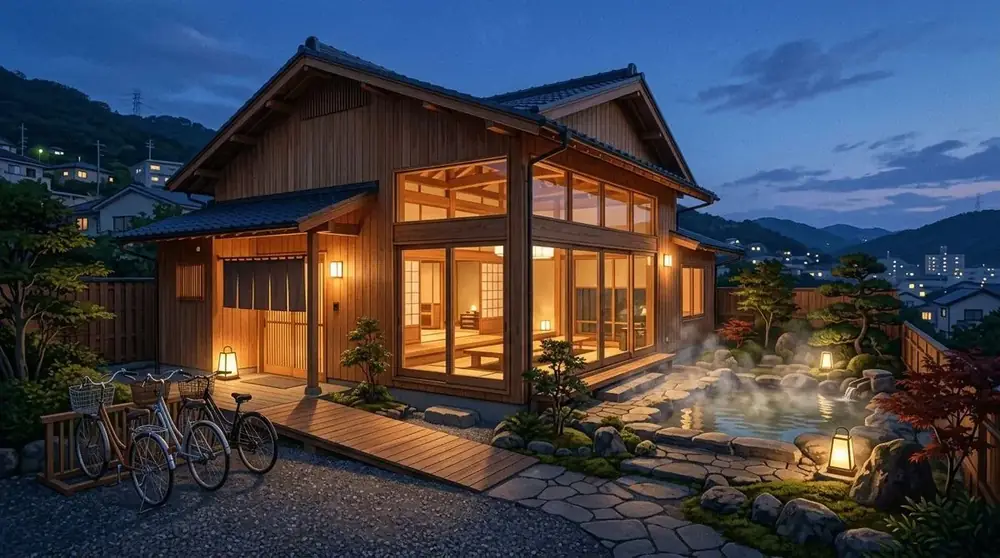
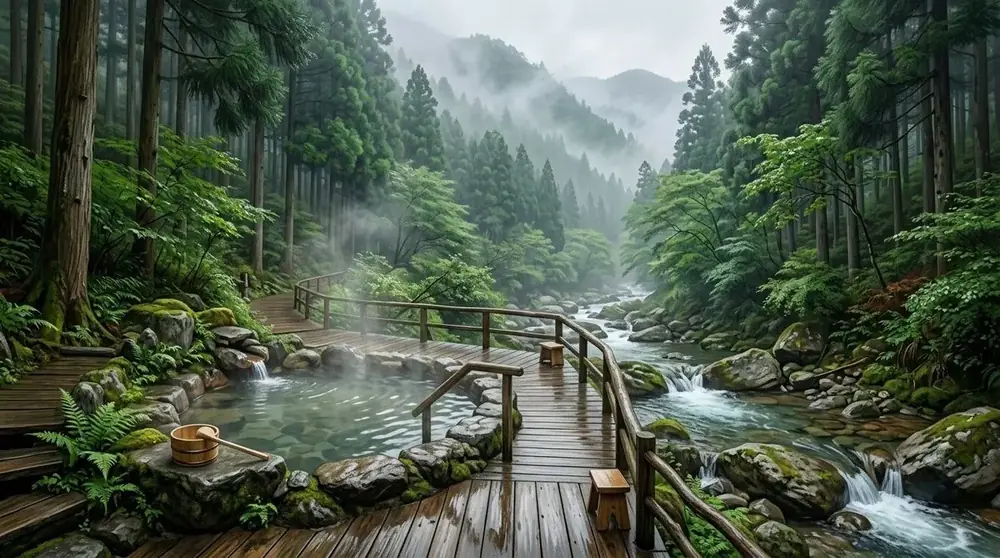
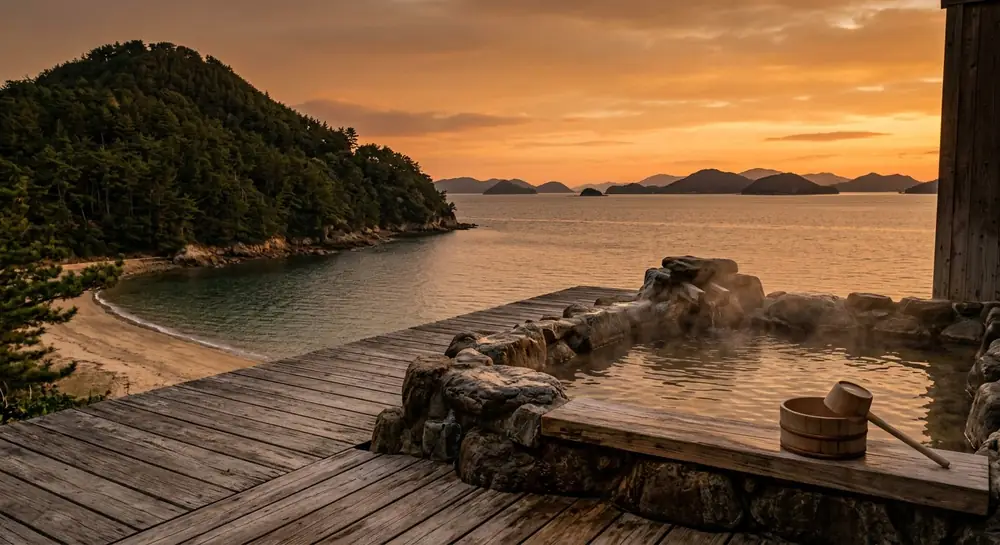
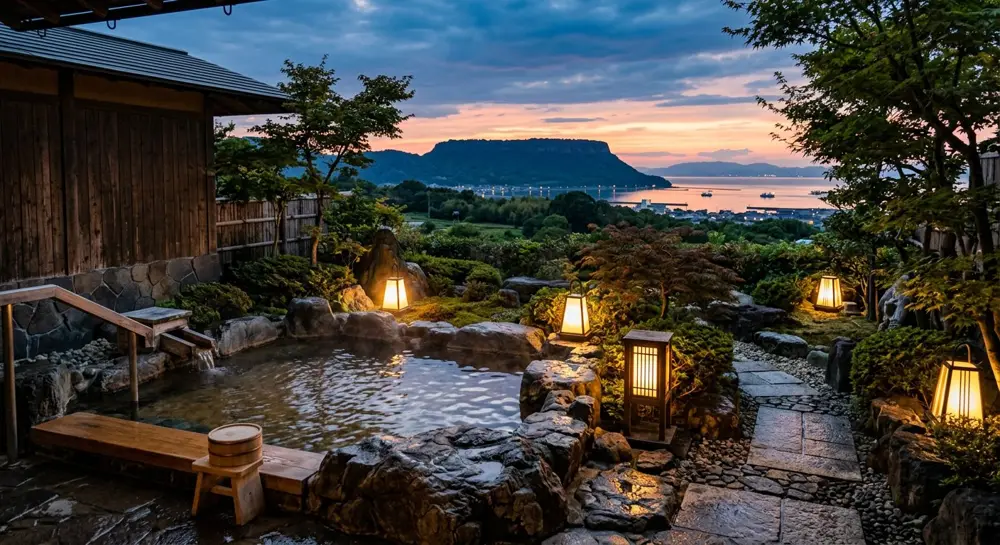
A municipal cure-bath in a valley at Irinoyama, in the fold of the Asan mountains at the eastern tip of Kagawa. Quiet, wrapped in cherry blossom in spring and maples in autumn, it is a daily bath for locals and a long-standing lodging for pilgrims walking the Shikoku 88 temples. The simple sulphur cold mineral water is praised for its 'slippery-silky' cling on the skin. The layout is simple — main tub, bubble bath, cold plunge and sauna — with a view of hushed green forest. Very cheap at ¥400 for adults and ¥200 for children (and for over-70s); open 10:00–21:00 every day (occasional maintenance closures). The restaurant serves wild-boar hotpot and live-fish dishes, and rooms with two meals start from about ¥6,500. About 20 minutes by car from Shirotori-Ōchi IC on the Takamatsu Expressway, or by Ōkawa bus to 'Fukushi Center (Shirotori Onsen)'. Combine with a Sanuki udon crawl or the old townscape of Hiketa.
- Price (adult)
- ¥400
- Hours
- 10:00–21:00
- Closed
- Open daily (maintenance closures)
- Access
- About 20 min by car from Shirotori-Ōchi IC (Takamatsu Expressway); Ōkawa bus (Gomyō/Fukue line) from JR Sanbonmatsu Station to 'Fukushi Center (Shirotori Onsen)', right by the stop (10 round trips on weekdays)
- Water type
- Sulfur spring
- Tattoos
- Ask ahead
- Admission
- Adults (junior high and up) ¥400, children (3 to elementary) ¥200, 70 and over / disabled ¥200. Towels sold or rented, shampoo provided, lockers. Attached dining hall (Japanese food, udon), rest room, barrier-free (wheelchair ramp, guide dogs welcome). Overnight with two meals from ¥6,500 for adults and ¥4,400 for children (10 rooms, check-in 16:00 / out 10:00). Mainly cash
- Baths
- A municipally run onsen inn at Shiratori Onsen, a quiet mountain spa cradled in the foothills of the Asan range in Higashikagawa at the eastern tip of Kagawa. Set among mountains that turn to cherry blossom in spring and foliage in autumn, it is called the 'tsuru-nuru-no-yu' (the bath the crane soaked in) after the legend of a crane healing its wounds in the water. An everyday onsen for locals, with a modest great bath, a rotenburo and an attached dining hall. Combine with Shiratori Shrine (of the crane legend), the Higashiyama Kaii Setouchi art museum and Hiketa port (ferry to Kansai)
- Spring water
- Shiratori Onsen, a simple sulphurous cold-mineral spring (a mountain onsen with a faint sulphur scent; the low-temperature source is heated), colourless to faintly tinted and soft. Indicated for diabetes, neuralgia, chronic digestive disease, muscle pain, poor circulation, rheumatism and skin disease. True to the 'crane's bath' legend, it has long been known as a cure water for diabetes and skin complaints, and local cure-guests have stayed for long periods
- Access & parking
- About 35 min by Higashikagawa community bus from Sanbonmatsu Station on the JR Kotoku Line to 'Shiratori Onsen' (few services), or about ¥4,500 by taxi. 50 min by train from Takamatsu plus bus; from Osaka, the ferry to Hiketa port (Kansai Kisen) plus bus. By car 20 min from Shiratori-Ochi or Hikeda IC on the Takamatsu Expressway, 1 h from Takamatsu, 1 h from Tokushima. Free parking for guests
- Phone
- 0879-27-2236
- Official site
- souyu.co.jp ↗
- Open in Google Maps
- Google Maps ↗
Essentials
Find a stay on Trip.com
Search and book accommodation across Japan on Trip.com. Day-use bathing needs no booking.
Opens partner booking site (affiliate)
Why go
- Municipal cure-bath used by Shikoku pilgrims
- Slippery simple sulphur water
- ¥400; open daily; rooms from ¥6,500
A ¥400 everyday onsen in the Asan mountains, with a crane's legend
Shiratori Onsen is a municipally run onsen inn in a quiet spa village cradled in the foothills of the Asan range in Higashikagawa, at the eastern tip of Kagawa. Its name comes from the legend that 'a crane soaked in this water and healed its wounds', and so it is known by the byname 'tsuru-nuru-no-yu' — Kagawa has long been a land connected with cranes (Shiratori Shrine has its own crane legend), so this onsen's story is part of the village's identity. The water is a simple sulphurous cold-mineral spring, a mountain onsen with a faint sulphur scent; the source is cold and is heated, and the soft, colourless to faintly tinted water is said to help diabetes, neuralgia, chronic digestive disease and skin complaints, and it was long a cure-bath where guests stayed for extended periods. The layout is modest — a great bath, a rotenburo and an attached dining hall — and at ¥400 for adults and ¥200 for children (¥200 for those 70 and over and disabled visitors) it boasts among the best value of any onsen in Kagawa. The surroundings are mountains that turn to blossom in spring and foliage in autumn, so the sense of season in the rotenburo is strong, and with 10 rooms for overnight stays (from ¥6,500 with two meals) it is one of the few places where the old way of travelling — 'stay a few days in a cheap onsen inn and take the cure' — is still possible. It is also barrier-free, with a wheelchair ramp and guide dogs welcome. Thirty-five minutes by community bus from JR Sanbonmatsu Station and 20 minutes by car from Shiratori-Ochi or Hikeda IC on the Takamatsu Expressway, it pairs with Hiketa port (the Kansai ferry), Shiratori Shrine and the Higashiyama Kaii Setouchi art museum for a day in eastern Kagawa.
Using it as a cure bath, the mountain seasons, and cheap lodging
Get off at the 'Shiratori Onsen' bus stop and the building is right there; pay ¥400 (children ¥200) at reception and use a locker. Towels are sold or rented and shampoo is provided. The bathhouse is modest — a great bath (main tub) and a rotenburo through the door — but has the quiet of a mountain onsen, and from the rotenburo you see the ridges of the Asan range, the village rooftops, cherry blossom in spring and foliage in autumn. The water is soft with a faint sulphur scent at about 41–42°C; within the 'plain look' typical of a sulphur spring lies a tradition of curing diabetes and skin complaints, and local seniors come two or three times a day as to an everyday bath. The method: rinse with the bath water; 10–15 minutes in the main tub; 10 minutes in the rotenburo taking the mountain breeze; rest in the rest room, then go back in — repeating short soaks without strain is the way of a cure bath. The attached dining hall serves simple Japanese food such as udon and set meals, so you can eat after bathing, and with an overnight stay (from ¥6,500 with two meals) you can do the old cure journey of staying several days and bathing daily (check-in 16:00, out 10:00; 10 rooms). Nearby you can combine Shiratori Shrine (its crane legend and autumn foliage), the Higashiyama Kaii Setouchi art museum (15 minutes by car), and Hiketa port with its Edo-period streets (20 minutes; the Kansai ferry terminal), and in winter the snow of the Asan range is visible from the rotenburo. Notes: there are closure days for maintenance (confirm by phone); buses are infrequent (check the last one); bring cash; the mountain road can ice in winter; the dining hall closes early in the evening. For ¥400 you get both a sulphur onsen and the mountain seasons — one of the plainest and most satisfying onsen in Kagawa.
Practical details and an eastern Kagawa route
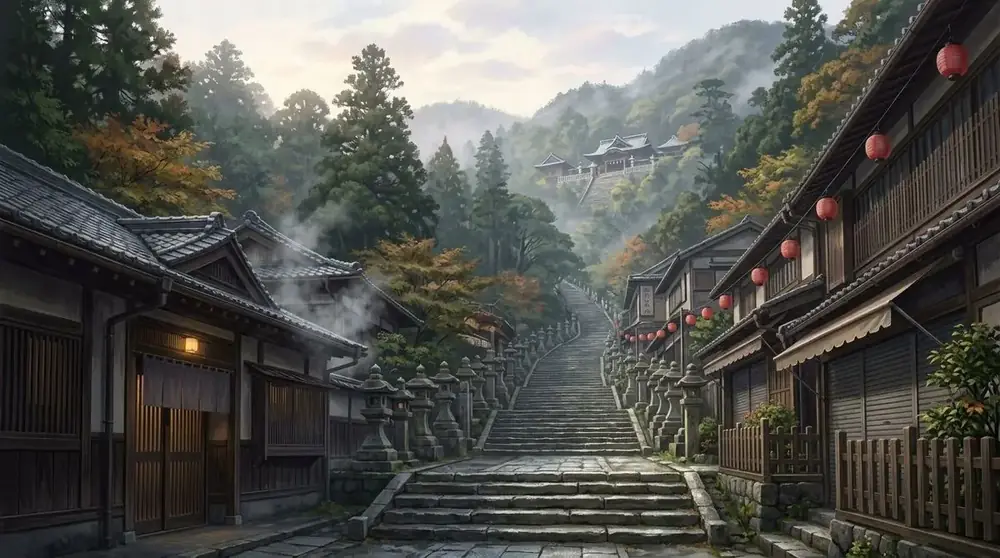
Hours are 10:00–21:00, open year-round (closure days for maintenance — confirm by phone); adults ¥400, children ¥200 (¥200 for 70 and over and disabled visitors), towels charged, overnight from ¥6,500 with two meals. Access is 35 minutes by community bus from Sanbonmatsu Station, 20 minutes from Shiratori-Ochi or Hikeda IC, an hour from Takamatsu. Suggested routes: (1) a day in eastern Kagawa — Shiratori Shrine in the morning (crane legend, autumn foliage), a fishing-port lunch at Hiketa (sea bream, dried anchovies), the Higashiyama Kaii Setouchi art museum (views over the Inland Sea), a bath at Shiratori in the afternoon, back to Sanbonmatsu; (2) a cure stay — two or three nights at Shiratori Onsen (from ¥6,500 with two meals), bathing and walking daily, with sightseeing at Hiketa and Shiratori in between; (3) from Kansai — Osaka, the ferry to Hiketa port (Kansai Kisen), bus or taxi to the onsen, one night; (4) autumn in November — a foliage drive through the Asan range (Route 377 toward Yamazoe), then the rotenburo; (5) winter — snow scenery with a sulphur onsen and hot pot afterwards. Notes: few buses (travellers without a car should use a taxi or check whether the inn offers a pick-up); check maintenance closure days; bring cash; the mountain road ices in winter; the dining hall closes early. For those seeking 'the essence of onsen and a long, cheap cure' rather than glamour, Shiratori Onsen is the best onsen in Kagawa.
Before you go
- No official tattoo policy is published — ask at reception.
- Ryokan day-use hours are limited and may be suspended in peak season — phone the same morning.
- Payment is usually by ticket machine in cash — bring coins.
- Last entry is 30–60 minutes before closing.
Features
Baths
Sauna & wellness
Mood & scenery
Price
Who with
Amenities
✔ Verified operating: 2026-09 Operating status and rates cross-checked against the official site and onsen guides (full source notes in Japanese on the JA page)
Prices and hours change. Check official sources before visiting.
More in this area

Busshozan Onsen Tenpyo-yu
Fifteen minutes by Kotoden train from central Takamatsu, an architect-designed modern wooden bathhouse. Every tub is free-flowing, and the lukewarm bicarbonate water leaves skin silky. Inside are a second-hand book corner and veranda-like lounges where people linger reading after their soak. ¥700; 11:00–24:00 weekdays, from 9:00 on weekends and holidays. Ten minutes' walk from Busshozan Station.

Livemax Resort Sanuki Shionoe Onsen (former Sanuki Onsen)
A lone inn in the hills of Shionoe, Takamatsu's traditional retreat and one of only two nationally designated therapeutic hot-spring areas on Shikoku. Its own pH 8.4 bicarbonate spring feeds a rotenburo above the stream, an indoor bath and a sauna, with a large free rest room. Day use in two sessions — 6:00–11:00 and 15:00–22:00 — for ¥700. Just 20 minutes by car from Takamatsu Airport, so handy before a flight.

Konpira Onsen Yumoto Yachiyo
A hot-spring ryokan in the heart of the temple town below Kotohira-gū, close to the foot of the famous stone steps. Perfect for easing your legs with a day soak (¥750, 11:00–16:00) after climbing the 785 steps; the open-air bath looks out on the Konpira hills. Bicarbonate spring. About 10 minutes on foot from Kotohira Station and easy to pair with udon-shop hopping. Baths are occasionally closed for maintenance—check ahead.