Tamatsukuri Onsen Yū-yu
Tamatsukuri's day-use bath, famous for 'beautiful skin' water. A magatama-jewel-shaped building with a cascade bath, open-air tub and 1 m-deep standing bath. Often combined with Izumo Taisha.
The original bath of Misasa, one of the world's most radon-rich springs. Locals take short dips in the hot water. Free foot bath and drinking fountain next door; the free riverside mixed bath is nearby.
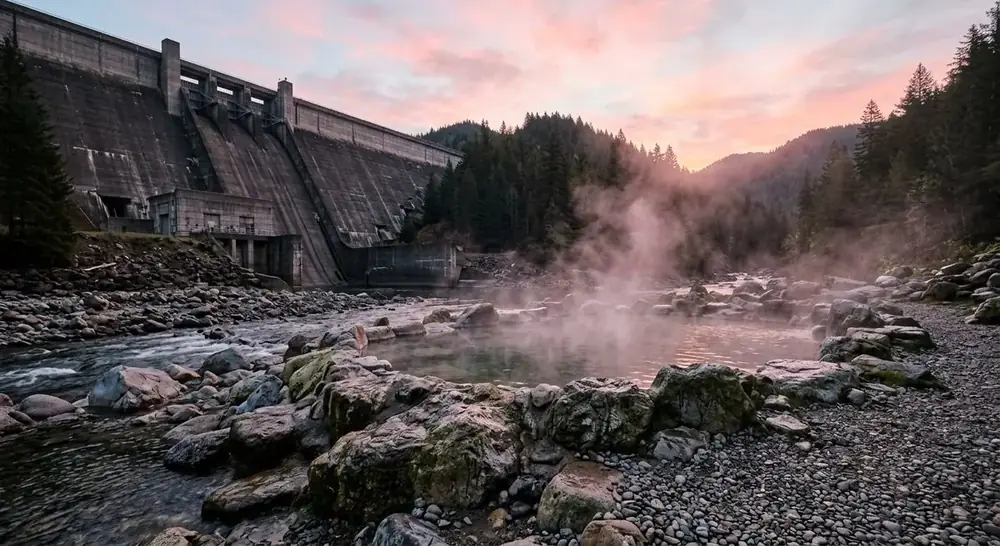
A natural open-air bath on the Asahi River gravel bed right below Yubara Dam, where water bubbles up through the riverbed itself — ranked the 'western grand champion' of Japan's rotenburo. Three pools at different temperatures; mixed, free and open 24 hours. Only a simple changing hut, so women are advised to wear a bathing garment (sold and rented in town). Closed Wednesday mornings for cleaning. Photography strictly forbidden.
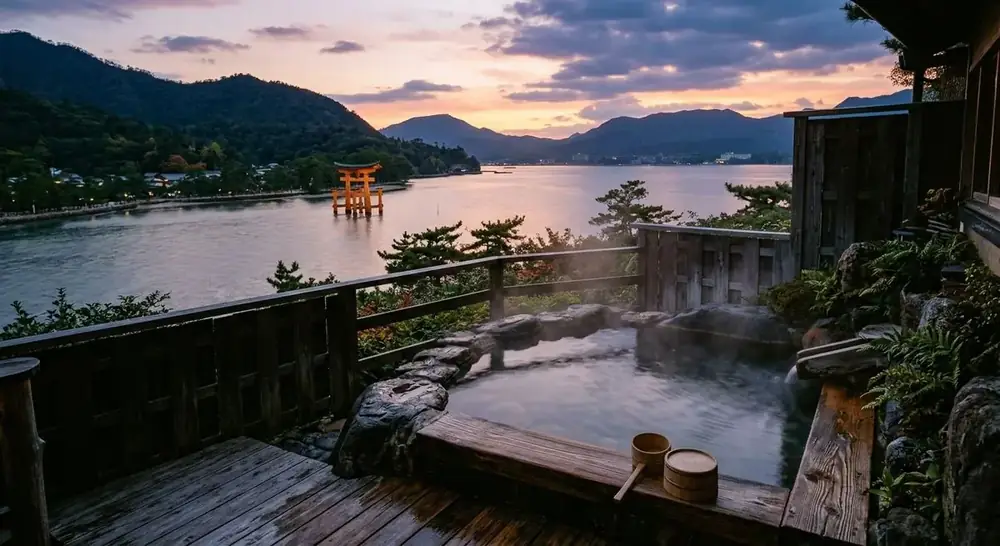
The closest day onsen to World Heritage Miyajima, on the opposite shore. Every tub looks out over the Seto Inland Sea toward the island: rotenburo, cypress bath, rock bath, sauna and foot bath. Mildly radioactive (radon) simple spring. A natural stop on the way back from Miyajima, with a restaurant serving Seto fish. ¥800 weekdays, open until 22:00.
The source bath of Yamaguchi's oldest hot spring, opened some 600 years ago. Local volunteers rebuilt the aging public bath in 2020; the bathroom sits directly on the spring, so you stand chest-deep in a 1-m pool watching water seep from the bedrock. Around 39°C — made for long soaks. The riverside lounge doubles as a café open to non-bathers. Pair with a stroll through the town redeveloped around Hoshino Resorts' KAI Nagato.
A hot-spring bathhouse in Yuda Onsen near central Yamaguchi city. In the middle of a town whose legend tells of a white fox healing its wounds here, close to the Nakahara Chuya museum, it offers alkaline simple-spring water for a remarkable ¥390. Open until 23:00, so many finish their tour of the town's free foot baths here. No soap provided. 20 minutes by JR from Shin-Yamaguchi, then 10 minutes on foot from Yuda-Onsen Station.
Hiroshima's largest natural-onsen complex, in Ujina near the port. Brown bicarbonate water in a rock rotenburo and free-flowing tubs, plus carbonated bath, sauna and stone sauna. Two-tier pricing: ¥500 for indoor baths only, ¥1,000 (weekdays) for everything. 25 minutes by tram from the Peace Memorial Park and close to the Hiroshima Port ferries for Miyajima.
A hotel-attached day bath at the entrance to Kaike Onsen on the Sea of Japan coast in Yonago. While ryokan in Kaike charge around ¥1,500 for day use, here ¥450 covers the indoor bath, rotating specialty bath, rotenburo and jacuzzi (¥580 with sauna). Open straight through 10:00–23:00 daily. Close to the beach, so busy with swimmers in summer. 20 minutes by bus from Yonago Station.
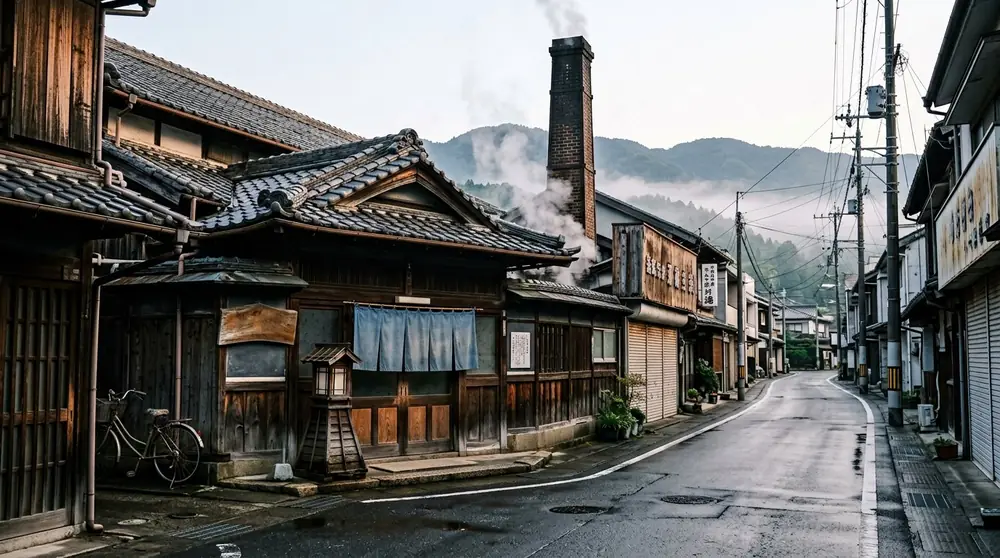
The communal bath of Yunotsu, once the shipping port for the World Heritage Iwami Ginzan silver mine. Rated a perfect 'all fives' by the Japan Spa Association, it is 100% free-flowing, and iron-rich mineral deposits coat the tub in thick brown crusts. Next door is 'Shin-yu', a Western-style wooden building from 1919 whose retro café and rooftop terrace are open to bathers. ¥600. The whole street is a preserved historic district.
The source bath of Yunogo Onsen, where legend says the monk Ennin found an egret healing its wounds some 1,200 years ago. One of the three famed Mimasaka hot springs, an hour by car from Okayama. The town-run bathhouse charges ¥800 for indoor and open-air baths across two bathing wings linked by a moving walkway, alternating daily. Open 8:00–21:00; the 'all-day rest' plan lets you come and go until closing. Bring your own food.
A large day-spa at Yuda Onsen in Yamaguchi city. The men's 'Byakko-no-yu' faces a Japanese garden while the women's 'Xavier-no-yu' is Western in style; both offer rotenburo, lie-down and jet baths, a walking pool and sauna. The pH 9.2 alkaline water feels silky. ¥1,000 including a face towel, open 10:00–24:00 every day. Upstairs there's a manga and rest lounge plus a canteen. Ten minutes' walk from Yuda-Onsen Station.
An hour by car from central Hiroshima, a city-run lodge at Yuki Onsen, 'Hiroshima's back parlour'. The rotenburo above the clear Minochi River and the timber-lined main bath are all free-flowing, with a rare mildly radioactive (radon) spring. ¥750 per visit or ¥1,000 for an all-day pass. Open till 21:00 in summer, 20:00 in winter. Direct buses run from Hiroshima city — an easy hot-spring break between Miyajima and the Peace Park.
A town-run day spa at Okutsu Onsen, one of the three Mimasaka hot springs and famous for the autumn colours of Okutsu Gorge. The airy, high-ceilinged main bath holds pH 9-plus alkaline 'beauty water', with a rotenburo, family baths and sauna. ¥880, 10:00–19:00, closed Thursdays. The gorge trail is within walking distance, so it fills up after leaf-viewing in autumn. Forty minutes by car from Tsuyama.
Twenty minutes by car from the Tottori Sand Dunes, the communal bath of Iwai Onsen, one of San'in's oldest springs at 1,300 years. It preserves 'yukamuri', a quirky custom of singing while ladling water over a towel on your head. The 47.6°C source in a corner of the car park flows in 100% untreated. ¥380, open 6:00–22:00. A humble soak to pair with the Uradome coast or the dunes.
Shimane's only onsen bathhouse, offering the lakeside Matsue Shinjiko spring for ¥430. Five minutes on foot from Matsue-Shinjiko-Onsen Station on the Ichibata line, easy to drop into after Matsue Castle or the moat cruise. The sodium-calcium sulfate-chloride water holds heat well. No soap or shampoo provided, but a take-along set is sold. Ninety percent of bathers are locals—everyday Matsue at its most authentic.
The landmark of Arifuku, a stair-stepped hamlet of wooden inns tucked into the San'in hills. A 1928 reinforced-concrete bathhouse with Western arched windows, it pours colourless alkaline simple-spring water undiluted into the tub — slippery 'beauty water'. ¥400 with soap and shampoo, open 7:00–22:00 for early soaks. A family bath rents for ¥1,200 an hour, and the tatami rest room upstairs displays pre-war photographs. Cars can't enter the sloping village, which also has the Satsuki-yu and Yayoi-yu public baths for a three-bath circuit.
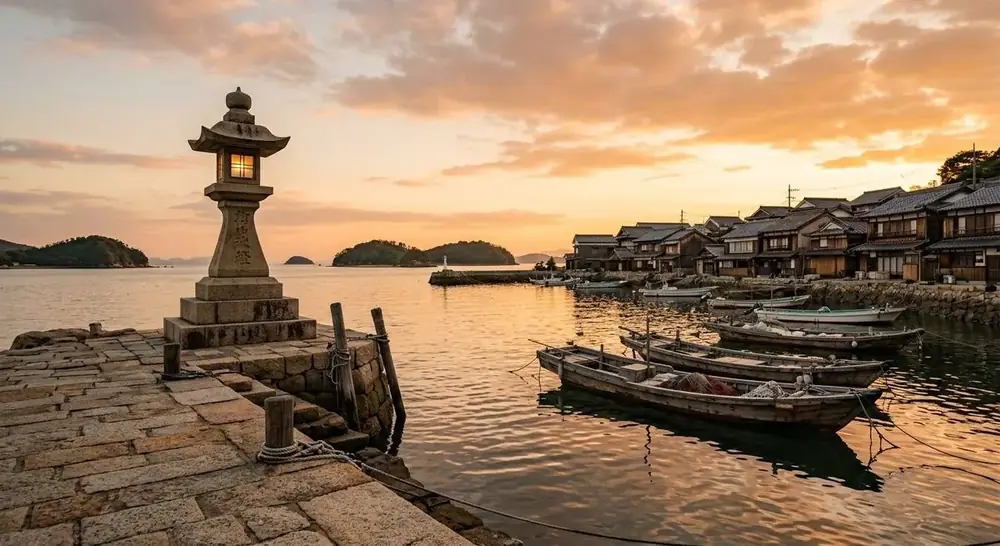
A resort hotel on the waterfront of Tomonoura, the old tide-waiting port near Fukuyama. The top-floor bath hall 'Tenkū' and its open-air tub look across to Sensuijima and the calm Seto Inland Sea; the water is a natural radium spring. A löyly-capable sauna and steam sauna were added in 2023. Day use 11:00–18:00 (last entry 17:00), ¥1,600, with free bath towels. Private open-air baths 'Sansan' and 'Tōtō' are ¥5,500 per 50 minutes (reserve). 30 minutes by bus from Fukuyama Station to Tomokō; pair with the Edo-period streets and the stone lantern.
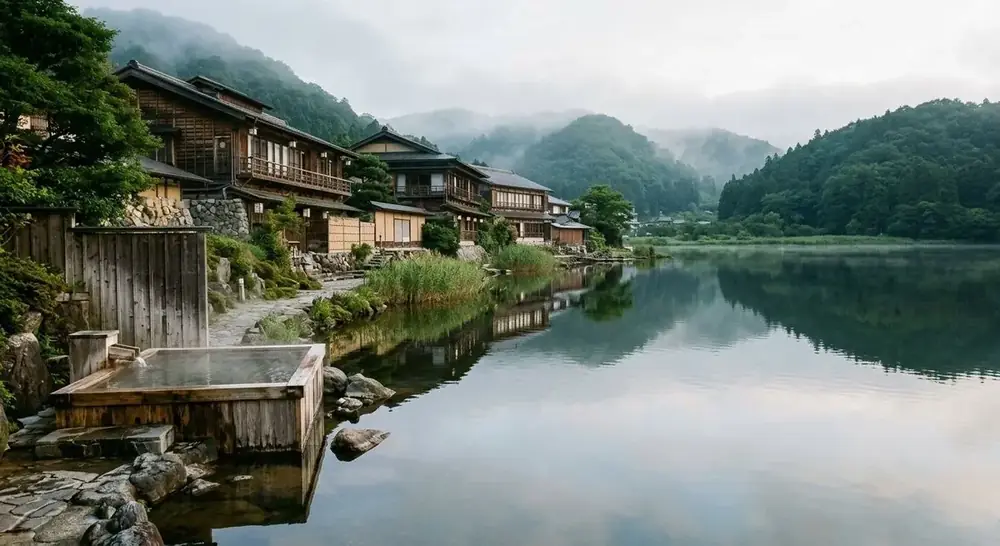
A ryokan built out over Lake Tōgō, known as the 'inn on the lake': lobby and baths are surrounded by water on three sides, and the open-air Kōsuke-yu sits almost level with the surface. Free-flowing simple spring water. Day bathing runs on an irregular basis, roughly 11:00–14:00, ¥1,000 cash only — phone the same day to confirm. Private open-air baths are ¥1,650 per 45 minutes, booked by phone from 9:00 that morning. 18 minutes by bus from Kurayoshi Station to the Hawai Onsen stop. No restaurant inside, so eat in the onsen town or at the Enchōen roadside station.
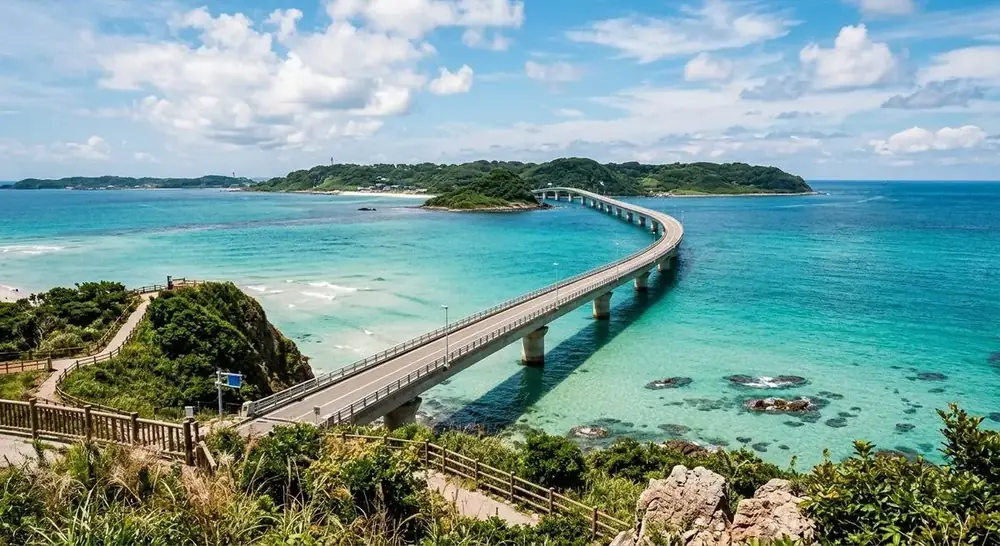
The municipal bathhouse that serves as the source bath of Kawatana Onsen, Shimonoseki's hinterland spa with some 800 years of history — the Mōri lords bathed here. Sodium-potassium chloride water (source about 41 °C) fills the indoor bath, with an open-air tub and sauna; adult admission is a modest ¥480. Family baths (from ¥1,100 for 80 min weekdays / 60 min weekends) and a rest-room package (¥800) allow a leisurely cure-style visit. Open 10:00–21:00 (last entry 20:30); closed the first Thursday of even-numbered months. Kawatana is the birthplace of kawara-soba, noodles grilled on a roof tile — try it after your bath. An easy stop on the way back from Tsunoshima Bridge.
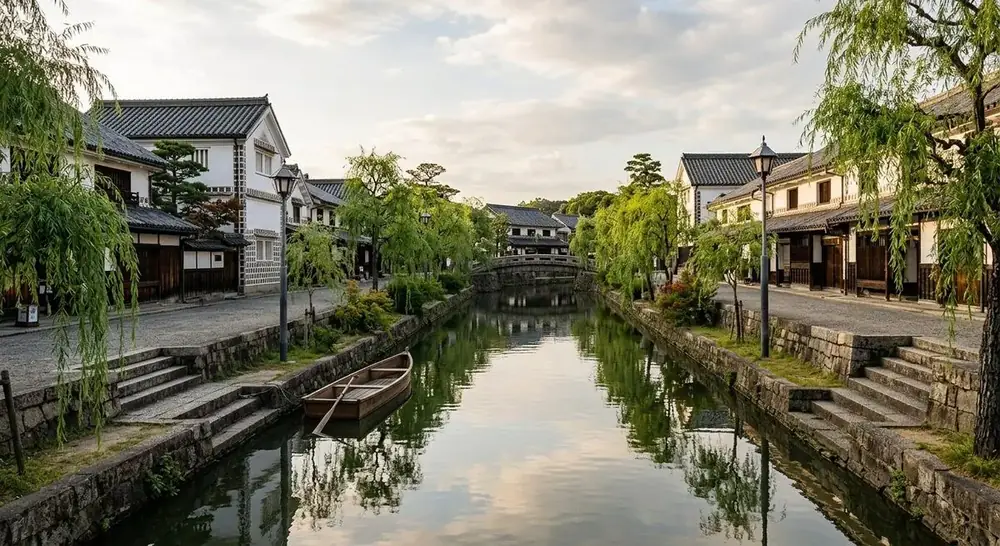
A white-walled onsen hotel in the hills between Kojima, at the foot of the Great Seto Bridge, and the pilgrim path up Mt Yuga. Yuga Onsen has long refreshed worshippers at the Yuga Daigongen shrine-temple; the spacious bath hall lines up a source tub, waterfall shower, jet bath and bubble bath, with a garden that flowers through the seasons beyond the windows. Day use 11:00–15:00 (last entry 14:30), ¥1,980 including bath and face towel rental. The lunch-plus-bath set (¥3,960) is popular, with a third-floor rest room. 30 minutes by car from Kurashiki's Bikan quarter; combine with Kojima Jeans Street or the bridge. Open daily.
Tawarayama Onsen, in the hills of Nagato, Yamaguchi, has 1,100 years of history and still lives by 'sotoyu' culture: the inns have no baths of their own, so even overnight guests walk in yukata to the two communal bathhouses, Machi-no-yu and Hakuen-no-yu. Hakuen-no-yu is the newer of the pair, with three tubs — a lukewarm No.1 bath straight from the source, a heated hotter No.2 bath and an open-air bath — showcasing silky pH 9.9 alkaline water. ¥850 for adults, open 12:00–21:00, closed Tuesday to Thursday (Machi-no-yu runs daily 06:00–22:00 for ¥650). A free foot bath sits halfway up the entrance stairs. About 20 minutes by bus from Nagato-Yumoto Station.
The communal bath of Maga Onsen, a tiny hamlet of stone stairways on a slope above a tributary of the Asahi River in the Yubara Onsen area. Legend says a defeated warrior healed his wounds here some 700 years ago. The star is the 'Makuyu', a mixed rock bath of about 1.6 × 2 m and 1.2 m deep, so you soak standing up — often called Japan's smallest mixed bath — with lukewarm 39°C water bubbling up through cracks in the rock floor. The men's and women's baths connect to it and cost ¥250; the Makuyu is ¥400 (max 8 people, one hour) and a private bath ¥1,300 for up to three. Open 08:00–21:00 (last entry 20:10), closed Tuesdays (open on holidays). No towels allowed in the mixed bath, so be prepared. About 20 minutes by car from Chūgoku-Katsuyama Station.
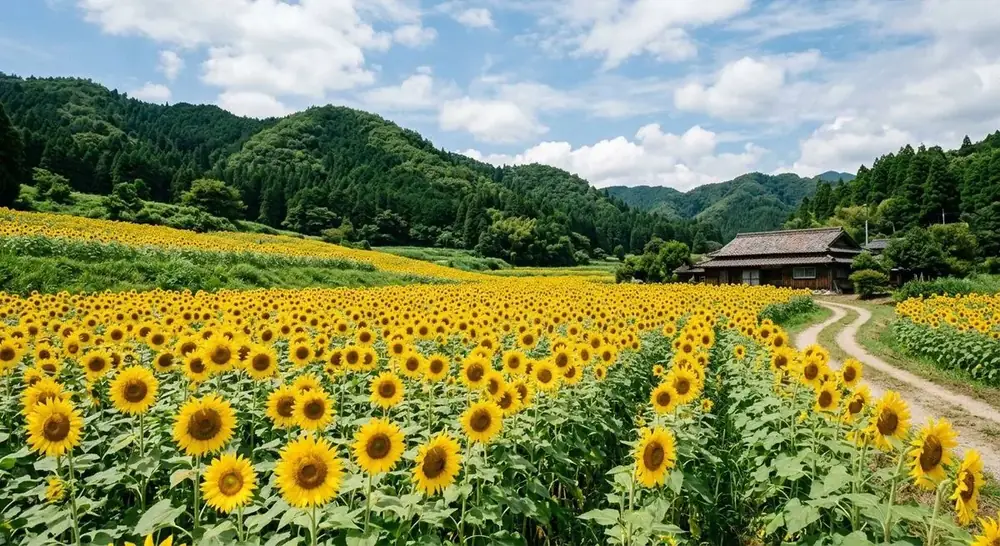
A hot-spring complex in the farmland of Kimita, Miyoshi, in northern Hiroshima, next to the 'Forest Kimita' roadside station. A 2025–26 renewal rebuilt the lodging wing, a hearth-side restaurant, the open-air bath and a barrel sauna. The bicarbonate water feels slippery and is known as a 'beauty bath'. Day use is ¥800 including bathing tax, open 10:00–20:30 (last entry 20:00), closed Tuesdays; face towels sold for ¥150. Nearby are Kimita's sunflower fields (August) and the Takatani-yama lookout famous for its 'sea of clouds' — a popular drive about 90 minutes from Hiroshima city.
One of the two public bathhouses of Tawarayama Onsen in Nagato, Yamaguchi, a cure-spa founded over 1,100 years ago. Most inns here have no bath of their own, so guests still pad through the streets in yukata to the outside baths, and Machi-no-yu is the hub of that life. The silky alkaline simple spring flows in untreated, and there is a drinking fountain. Just a plain indoor bath, but it is open right through from 06:00 to 22:00 and costs only ¥650. A bookable private family bath (¥3,500 for three, 08:00–21:00) is attached. There is no regular closing day — only cleaning breaks in July and December. The other bathhouse, Hakuen-no-yu (¥850, with an open-air bath), closes Tuesday to Thursday, so on weekdays Machi-no-yu is the one to count on. About 25 minutes by bus from JR Nagato-shi Station to 'Tawarayama Onsen', then 3 minutes on foot.
Tottori Onsen is a national rarity — a hot spring rising right in front of a prefectural-capital station — and this Shōwa-retro bathhouse at its heart is about five minutes' walk from JR Tottori Station. Old-style layout with a bandai counter and just one pool split into deep and shallow halves, but the 46°C-plus sodium-sulphate-chloride water is properly hot and leaves skin silky. Adults ¥550, children ¥200; open in two sessions, 06:00–10:00 and 14:00–24:00, closed the 2nd Monday and New Year's Day. No soap provided — bring or buy. Good after walking the Tottori sand dunes or castle ruins, or as a morning bath before an early train. Parking for 11 cars plus coin car parks nearby.
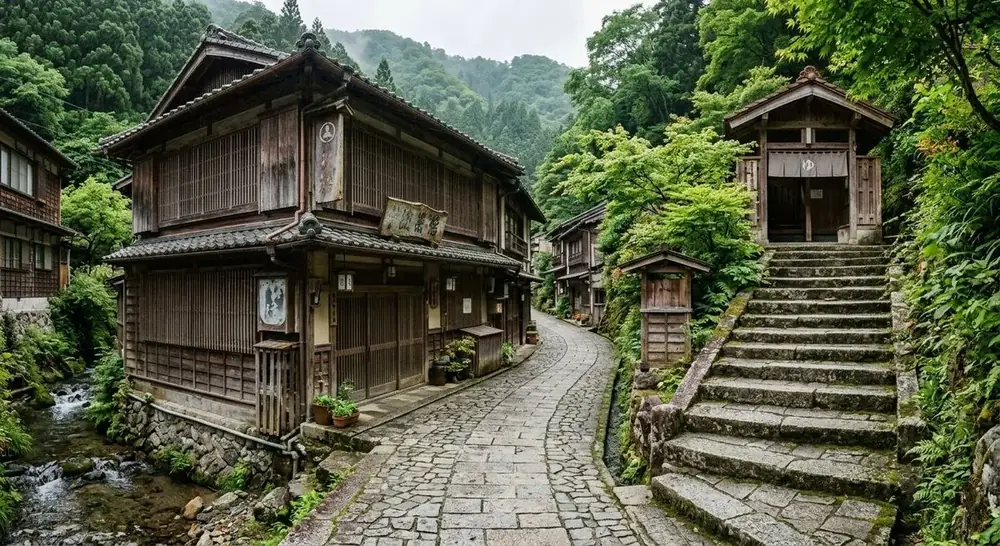
The founding bath of Yunotsu, the port town that once shipped silver from the World Heritage Iwami Ginzan mine, with a history said to go back 1,300 years. It stands in the preserved townscape district and has a legend of a tanuki healing its wounds here. Two pools: the 'hot' one fed directly by the source and a 'cooler' one that is still around 43°C. The strong sodium-calcium-chloride water, thick with rust-brown mineral flakes, is renowned as a therapeutic spring and can be drunk. Adults ¥450, children ¥200; open 06:00–20:00, irregular closures (closed from 15:00 on the 3rd Monday). No soap and no showers — bathe the old way. Comparing it with the other outside bath, Yakushi-yu (¥500), is the classic routine. About 20 minutes on foot or 5 by bus from JR Yunotsu Station.
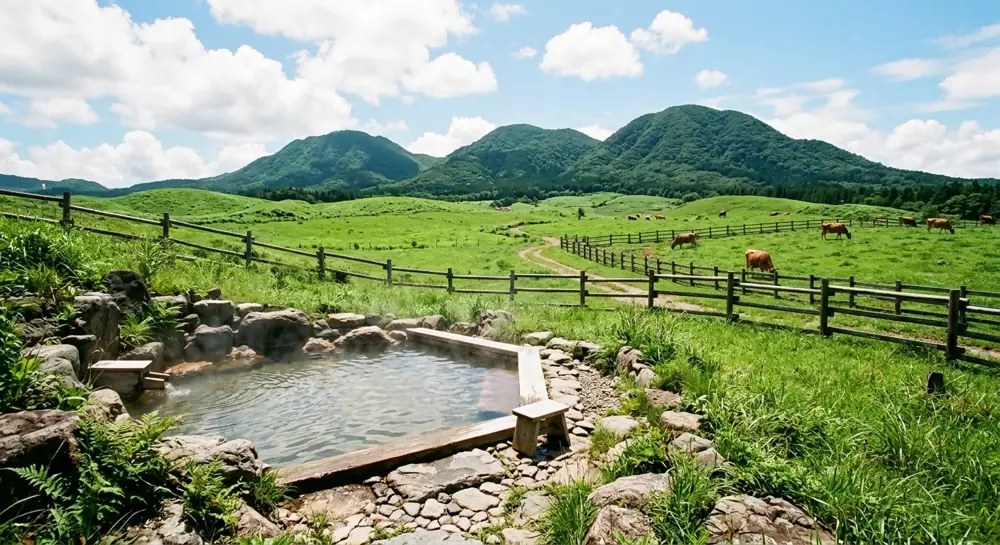
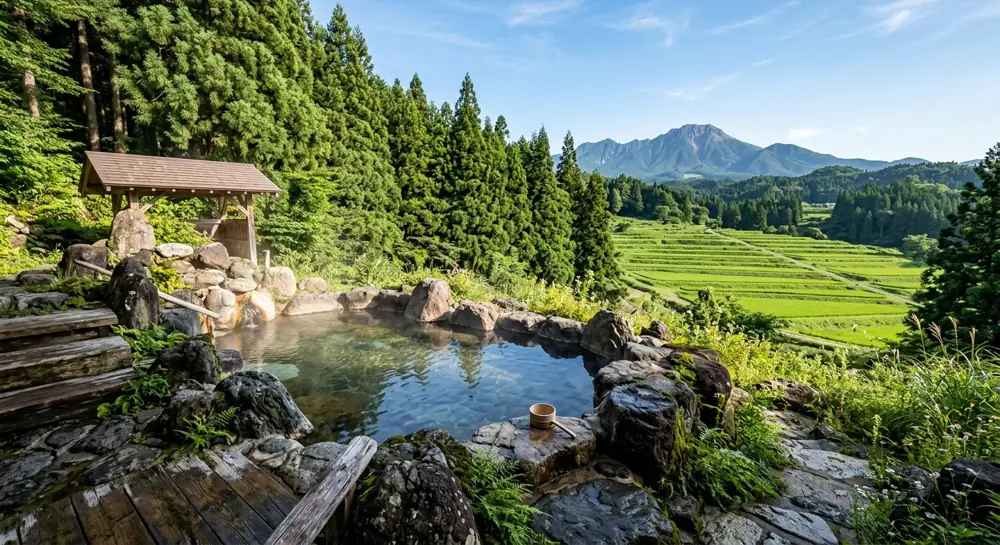
A day-use hot spring at the heart of the Hiruzen highlands in northern Okayama, 500–600 m up. Its great appeal is the open-air bath, where you feel the highland breeze and look out over Jersey-cattle pastures and the three Hiruzen peaks through the seasons — cool in summer, autumn colour, snow-viewing in winter. The alkaline simple water is gentle on the skin, and the facility covers the basics: main bath, jet bath, sauna and open-air bath. Adults ¥740, children ¥420; open 10:00–22:00 (until 21:00 December–March; last entry 30 minutes before), closed Wednesdays (next day if a holiday; open during Obon and Golden Week). About 20 minutes by car from Hiruzen IC or 60 minutes by bus from JR Chūgoku-Katsuyama Station. Combine with Hiruzen yakisoba, Jersey soft-serve and a drive toward Mt Daisen. 100 parking spaces.
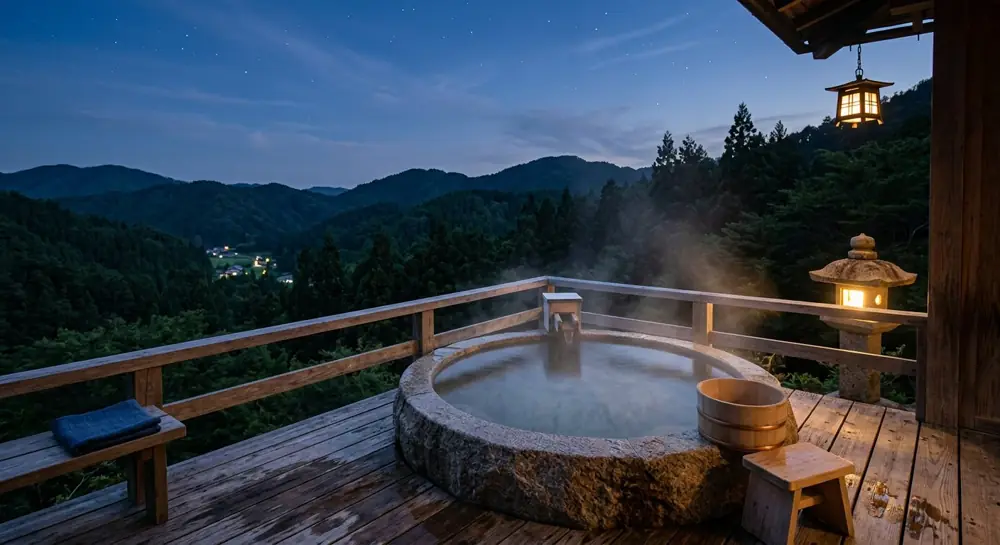
A public lodge in the Mitsugi countryside, the 'back parlour' of Onomichi, the port town of slopes, temples and cats. The natural spring is a mildly radioactive cold mineral water; two bathing halls, Hohoemi-no-yu and Fureai-no-yu, hold 13 kinds of tubs including open-air baths, lie-down baths, waterfall massage, sauna and cold plunge. From the open-air bath you look out on the Mitsugi hills and, at night, a sky full of stars. Day bathing is ¥850 for adults and ¥500 for children with bath towel, face towel and loungewear included, and you may bathe as often as you like until you leave. Open 10:00–22:00 (last entry 21:30); the only closure is one or two days each June. Rest room, restaurant and massage room, with overnight stays available. About 8 minutes by car from Onomichi-kita IC, 25 minutes from Shin-Onomichi Station, or 50 minutes by Chūgoku bus from JR Onomichi Station to the terminus. A good soak after walking Onomichi's lanes or cycling the Shimanami Kaidō.
The communal bathhouse of Shikano, a castle town in western Tottori City laid out by the warlord Kamei Korenori. Light pours through glass-block walls into a bright bathroom with a main tub, jacuzzi, sauna, cold plunge and an open-air bath facing Mt Jūbō, all generously filled with clear, gentle simple spring water. Inexpensive at ¥550 for adults and ¥280 for children; open 10:00–22:00 and closed only on the first Thursday of the month (the following week if a holiday). There is no restaurant, but a rest area and souvenir counter, plus a roofed foot bath and the 'Omoshiro Market' soba house next door. Pair it with a stroll around the castle town's canals and paving, Shikano Castle ruins park and the Bird Theatre. About 4 minutes by car from Hamamura-Shikano-Onsen IC on the San'in Expressway, or 10 minutes by bus from JR Hamamura Station to 'Imamachi'. Handy on the way back from the Tottori dunes or Uradome coast.
A cure-bath founded in the Meiji era, tucked in the hills of Misato, Shimane, up a tributary of the Gō River. The spring bubbles up directly through gaps in the wooden floor of the tub — 'footspring' water that onsen devotees rank among the finest sources in western Japan. The carbonated iron-bicarbonate water is tepid at around 34 °C, faintly yellow-brown, and coats the body in tiny bubbles. There is one small wooden tub each for men and women, no washing area, soap and shampoo are forbidden, and bathing is limited to an hour: this is a place purely for soaking. Afterwards you can warm up in a heated goemon iron-kettle bath. Adults ¥500; open 08:00–18:00 April–October (last entry 17:00) and 08:00–17:00 November–March (last entry 16:00), closed Thursdays. Room rest is available. With the Sankō rail line gone, driving is realistic: about 1 hour from JR Gōtsu Station or 50 minutes from Ōasa IC on the Hamada Expressway, with a narrow mountain road at the end. Not for those wanting facilities, but unforgettable for those who care about the water itself.
A municipal day bath in the middle of the Yubara Onsen village in northern Okayama, a few minutes' walk from the famous riverside open-air 'Sunayu'. Yubara has a thousand-year history and copious water; this is its source bath, and the pH 9.3 alkaline simple spring is a slippery 'beauty water'. The three-storey building has souvenirs on the ground floor and baths on the first: for each sex an indoor bath, jacuzzi and sauna, plus a barrier-free bathroom usable by elderly and wheelchair guests, which can also be hired as a family bath (¥3,000 per hour for up to three). There is no view, but travellers value it as the place to wash and warm up properly after the mixed Sunayu. Adults ¥800, children ¥400; open 10:00–21:00 (last entry 20:30), closed Wednesdays. A tatami rest room and relaxation corner are provided. About 5 minutes by car from Yubara IC on the Yonago Expressway, or 40 minutes by bus for Hiruzen Kōgen from JR Chūgoku-Katsuyama Station to 'Sayama' then 5 minutes on foot.
An inn at Ichinomata Onsen in the hills of Toyota, Shimonoseki, famed for 'toro-toro' water — a strongly alkaline simple sulphur spring at pH 10.0, among the highest in Japan. The skin turns slippery the moment you get in and silky afterwards, and it is widely known in Yamaguchi as a beauty bath. The Honoka and Yunoka halls have indoor and open-air baths and saunas, plus reservable private baths — a round cypress tub and a square stone one — at ¥2,000 per hour. Day bathing: adults ¥1,150, children ¥600, 08:00–21:00 (last entry 20:00); note the shortened 08:00–17:00 (last entry 16:00) on Saturdays, holidays, Golden Week, Obon and New Year. A rest lounge and restaurant (11:30–15:00) allow a bath-and-lunch visit. About 30 minutes by car from Ozuki or Mine IC on the Chūgoku Expressway, or 40 minutes by bus from JR Ozuki Station. Combine with Tsunoshima Bridge, Akiyoshidai or Nagato-Yumoto. The nearby Ichinomata Onsen Kankō Hotel is a sister property.
A day-use hot spring in Jinsekikōgen, a plateau town at 500–700 m in eastern Hiroshima. The source, discovered in 1994 in the Iseki district of former Sanwa, is a rare pH 10.2 strongly alkaline, weakly radioactive cold mineral spring – low in irritants and gentle on the skin. The slightly cloudy, viscous water lifts excess oil and leaves skin smooth, which locals call a 'natural beauty serum'. Inside are an indoor bath, open-air bath, sauna and cold plunge, plus a rock-bed spa, carbonated tub and a private family bath, with a rest area and restaurant. Adults pay ¥900 and children of elementary age or under ¥500; coupon books and a monthly pass keep the regulars coming. Open 10:00–21:00, closed Tuesdays, parking for 20 cars. About an hour by car from central Fukuyama via Route 182, or 2 minutes on foot from the Iseki-naka bus stop. Pair it with Taishaku Gorge, Jinseki beef and stargazing on a drive across the highlands.
A day bathing facility at Sekigane Onsen, a 1,300-year-old spa in the hills of Kurayoshi near the Tottori–Okayama border. Once known as the 'platinum bath', its clear radium (radioactive) spring is said to be among the richest in Japan and leaves skin soft. Men's and women's indoor and open-air areas offer eight kinds of tubs, and the outdoor bath looks across ridges running toward Mt. Daisen. Adults pay ¥820, elementary pupils ¥410 and small children enter free. Open 10:00–21:00 (last entry 20:30), closed Mondays (next day if a holiday). On site are the Shirogane dining room using local produce, a free tatami hall, paid private rooms (¥1,580 for two hours), massage and beauty treatments, and free parking for 100 cars. From JR Kurayoshi Station take the Sekigane-bound bus about 35 minutes to Sekigane Onsen and walk 5 minutes, or drive about 40 minutes from Yubara IC on the Yonago Expressway via Route 313. Pair it with the cliff temple Nageiredō on Mt. Mitoku, Kurayoshi's white-walled storehouses or the Hiruzen highlands.
About 7 minutes by car from Izumo Enmusubi Airport, Yunokawa Onsen in Hikawa, Izumo, is counted with Kawanaka (Gunma) and Ryūjin (Wakayama) as one of Japan's Three Beauty Springs. Legend says the goddess Yagami-hime soothed her skin here, and the inn Yumoto Yunokawa, founded in 1877, sits at the source. Its sodium-calcium sulfate and chloride water flows straight from the spring without dilution, and the silky bath is famed for leaving skin smooth. Day bathing is 10:00–15:30 (last entry 15:00) for ¥900 per adult and ¥500 per child, free under 3 (day visitors may be turned away when busy). Three private baths can be booked by day guests too – ¥2,500 for 50 minutes plus admission – with reservations from 9 am the day before. Irregular closures, free parking. About 20 minutes on foot from Shōbara Station on the JR San'in Line or 7 minutes from Shinji IC on the San'in Expressway. A perfect soak between Izumo Taisha, Matsue and your flight home.
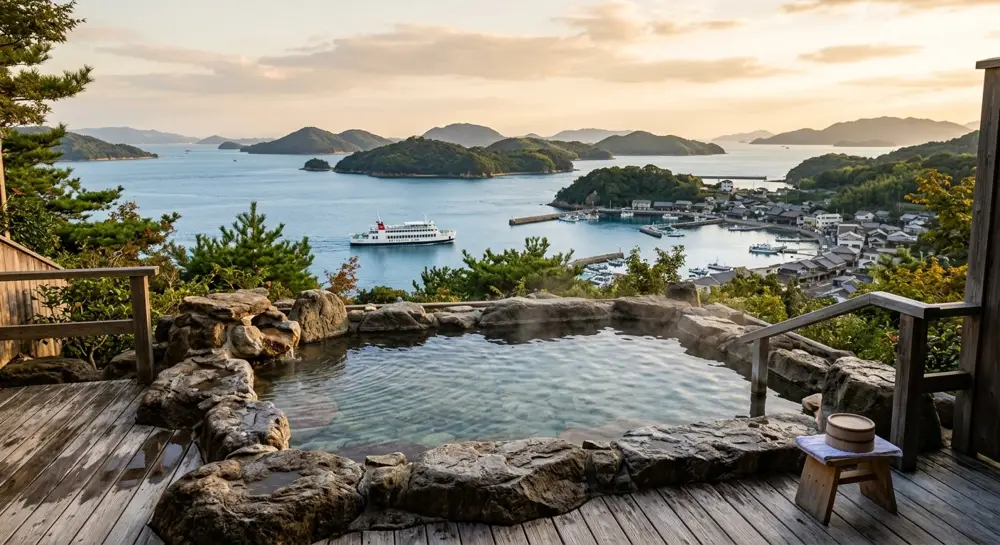
A stay-awhile day spa about 7 minutes on foot from JR Uno Station, right beside Uno Port where the ferries to Naoshima and Teshima depart. Jazz plays through the calm, old-farmhouse-style interior, and the great draw is the open-air bathing area gazing over the islands of the Seto Inland Sea and the boats passing between them. Outside are four baths around a large rock pool plus pot tubs; inside two pools, a sauna and cold plunge, with a rock-bed spa for an extra fee. The soft sodium-chloride spring rises from underground, and a soak in the sea breeze is the perfect cure for a day of art-island walking. Admission is on the high side – ¥1,700 for adults on weekdays and ¥2,000 on weekends and holidays (children ¥700/¥800) – but towels and loungewear are included, and a recliner lounge and restaurant serving Setouchi fish let you settle in for the day. Open 10:00–22:00 (last entry 21:00), closed the third Tuesday (the following Wednesday if a holiday), parking for 200 cars. A rare chance to bathe while waiting for the ferry back from Naoshima; about 40 minutes by car from central Okayama.