Aomori · Tsuta Onsen & Oirase
Tsuta Onsen Ryokan
蔦温泉旅館
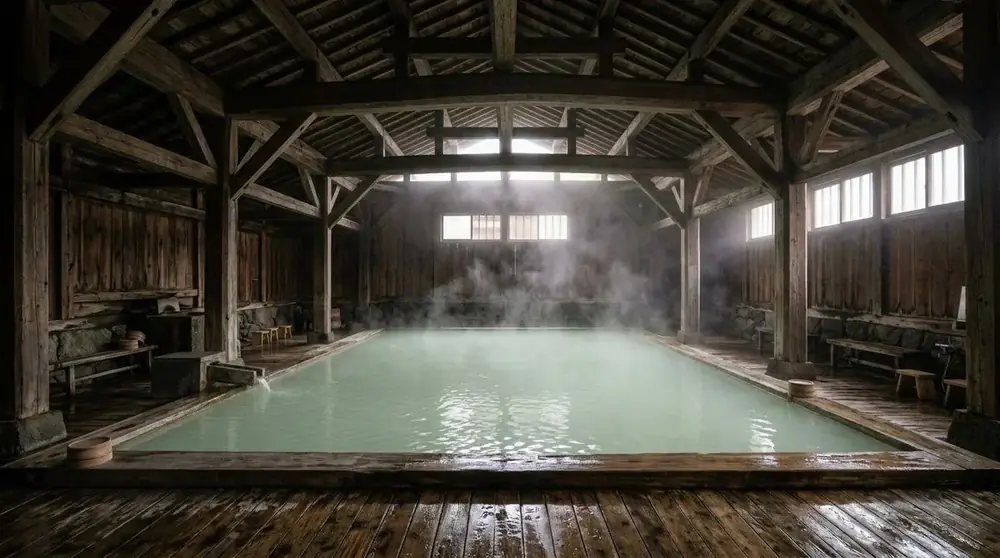
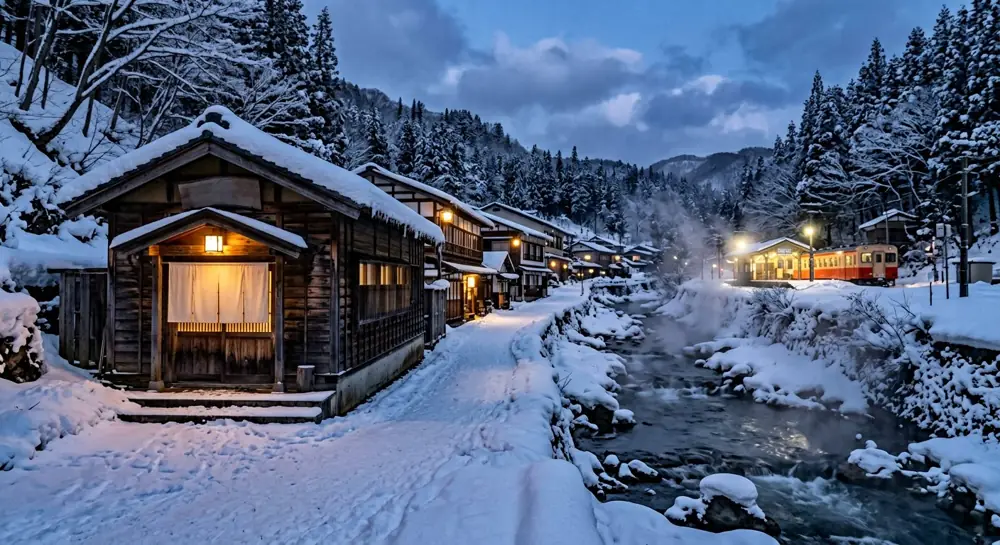
A lone inn in a primeval beech forest on the southern flank of Mt. Hakkoda. Spring water wells up directly through the gaps in the hiba-cypress boards on the tub floor — 'free-welling', so you bathe in water that has never touched air, a rarity even in Japan. The all-hiba 'Kyuan-no-yu' bathhouse from 1918 is magnificent. Day use 10:00–15:00, ¥1,000; may close early when busy. Combine with the hour-long trail around Tsuta-numa pond, famous for autumn colour. Closed in winter.
- Price (adult)
- ¥1,000
- Hours
- 10:00–15:00 (last entry 14:30; may end early when busy)
- Closed
- Closed in winter (Nov 25–Dec 23, Jan 13–mid-Apr) and for maintenance
- Access
- About 2 h by JR 'Mizuumi' bus from Aomori Station to Tsuta-Onsen; 50 min by car from Shichinohe-Towada
- Water type
- Sulfate spring
- Tattoos
- Ask ahead
- Admission
- Day bathing: adults ¥1,000 / elementary ¥500. Hand towel ¥300, bath-towel rental ¥500. Private family bath ¥4,000 per 50 min plus admission; day use 10:00–14:00, booked on site only (no phone reservations). Day visitors cannot use guest rooms, but the rest lounge (free tea and water) is open to them
- Baths
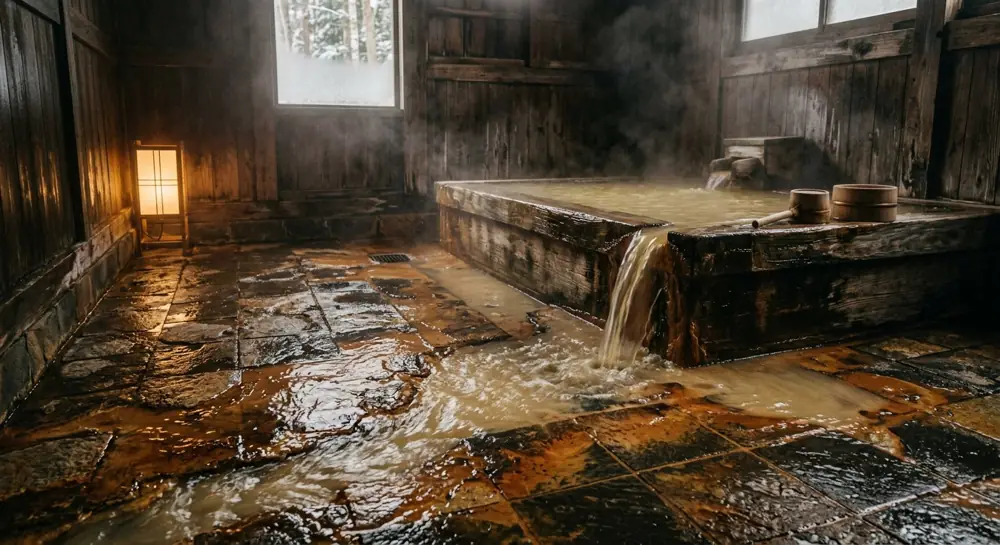
- 'Gen-sen waki-nagashi': the tub, floored with beech boards, sits directly on the spring, so raw source water that has never touched air bubbles up beneath your feet — one of Japan's rarest foot-vent baths. Gender-separated 'Senkyo-no-yu' (12-m timber atrium, showers) and the alternating 'Kyuan-no-yu' (a re-creation of the old bathhouse, no showers; women 10:00–12:00, men 13:00–21:00), plus one private family bath
- Water
- Sodium-calcium sulphate-bicarbonate-chloride spring, source about 45°C (hot, so cold water may be added). Colourless, odourless and soft; the signature sensation is clear bubbles rising from below and breaking against your skin. Its gentleness reveals itself the second and third time in
- Parking & access
- Free parking for about 100 cars. From Aomori or Shin-Aomori Station, the JR 'Mizuumi-go' bus (for Lake Towada) takes about 2 h to 'Tsuta Onsen', 1 min on foot (reduced and partly suspended in winter). JR buses also run from Hachinohe and Shichinohe-Towada. About 1 h from Kuroishi IC on the Tohoku Expressway via Routes 102/103. Free shuttle from Shichinohe-Towada Station for overnight guests (reserve)
- Phone
- 0176-74-2311
- Official site
- tsutaonsen.com ↗
- Open in Google Maps
- Google Maps ↗
Essentials
Find a stay on Trip.com
Search and book accommodation across Japan on Trip.com. Day-use bathing needs no booking.
Opens partner booking site (affiliate)
Why go
- Spring wells up beneath your feet
- All-cypress bathhouse from 1918
- Walk to Tsuta-numa's autumn colours
Raw source water rising beneath your feet — a 900-year-old foot-vent hideaway in a beech forest on the way to Oirase
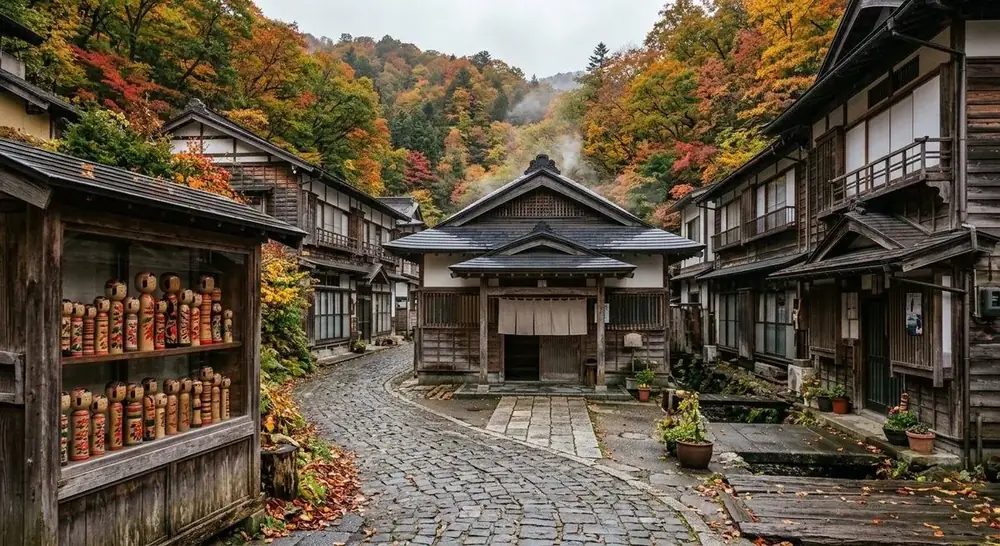
Tsuta Onsen is a lone inn deep in the virgin beech forest of southern Hakkoda in Towada, Aomori — a hideaway so old that a bathing hut here is recorded in a document of 1147, lying on the road to the Oirase Gorge and Lake Towada. Its defining feature is 'gen-sen waki-nagashi', among the rarest bath types in Japan: a tub floored with beech boards sits directly over the spring, so raw source water of about 45°C that has never touched air rises beneath your feet as clear bubbles and breaks against your skin. There are two bathhouses — the gender-separated 'Senkyo-no-yu', named by the novelist Yasushi Inoue, with a 12-metre timber atrium, and 'Kyuan-no-yu', a 1990 re-creation of the old bathhouse used in alternating shifts (women 10:00–12:00, men 13:00–21:00) — plus the only private bath in Aomori with a foot-vent source (¥4,000 per 50 min, booked on site). The water is a sodium-calcium sulphate-bicarbonate-chloride spring, colourless, odourless and soft, the kind whose gentleness grows on you with each soak. Day bathing (¥1,000) runs 10:00–15:00 and closes for winter (25 Nov–23 Dec and 13 Jan to mid-April); the 2.8-km 'Tsuta Seven Marshes' trail, with Tsutanuma a 30-minute walk away, is the other reason to come, in fresh green or autumn colour.
Tips & notes
① Kyuan-no-yu alternates: women only in the morning (10:00–12:00), men from 13:00, with cleaning 12:00–13:00. Couples: arrive around 11:00, women to Kyuan and men to Senkyo, lunch, then swap after 13:00. ② Day reception closes 14:30 and may end early in October foliage season or when busy — mornings are best. ③ Kyuan-no-yu has no showers or washing stations; wash in Senkyo-no-yu. ④ The foot-vent tub floor is wooden — mind toenails and slipping, and don't walk around in the tub. ⑤ The family bath cannot be booked by phone; first come, first served at the front desk. ⑥ Check winter closure dates and inspection days on the official site. ⑦ No morning bath (7:00–9:00) in October; the buffet breakfast is a highlight of staying over.
Getting there
From Aomori Station (via Shin-Aomori), the JR Bus Tohoku 'Mizuumi-go' for Lake Towada takes about 2 h to 'Tsuta Onsen', 1 min on foot — only a few a day, reduced and partly suspended in winter (mid-Nov to mid-Apr), so check the timetable. JR buses also run from Hachinohe and Shichinohe-Towada (Tohoku Shinkansen); overnight guests get a free shuttle from Shichinohe-Towada (reserve). By car, from Kuroishi IC on the Tohoku Expressway take Route 102, then at the Yakeyama junction Route 103 towards Hakkoda for about 5 km — about 1 h in total. The classic plan is two days with the Oirase Gorge (15 min by car), Lake Towada and the Hakkoda Ropeway; fresh green peaks in late May, autumn colour mid-to-late October.
Before you go
- No official tattoo policy is published — ask at reception.
- Ryokan day-use hours are limited and may be suspended in peak season — phone the same morning.
- Last entry is 30–60 minutes before closing.
Features
Mood & scenery
Convenience
Price
Amenities
✔ Verified operating: 2026-09 Operating status and rates cross-checked against the official site and onsen guides (full source notes in Japanese on the JA page)
Prices and hours change. Check official sources before visiting.
More in this area

Sukayu Onsen Hiba Sennin-buro
In the Hakkoda mountains, bathing since 1684 and Japan's first National Recuperation Onsen. A vast all-cypress mixed bath hall (about 260 m²) fed by four sources. Women-only hour 8–9 am daily; bathing garments sold on site.

Yu-sa Asamushi Roadside Station — Hadaka-yu Panoramic Bath
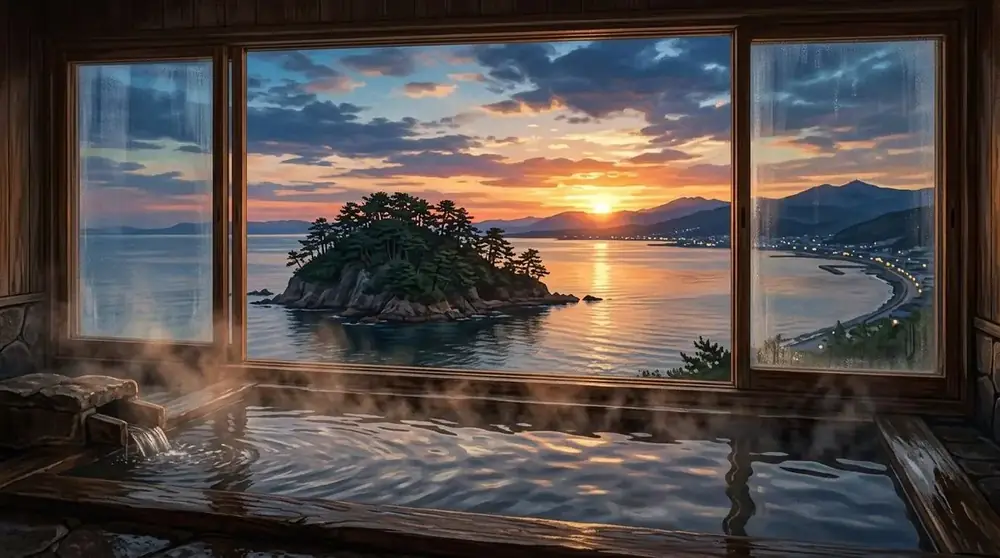
Twenty minutes by train from Aomori, a panoramic bath on the 5th floor of the roadside station at Asamushi Onsen on Mutsu Bay. Big windows frame Yunoshima island and the bay — sunset is the prime slot. Salt- and sulfate-rich water keeps you warm afterwards. Just ¥360, open 7:00–21:00 every day. The ground-floor market sells Aomori souvenirs. Two minutes' walk from Asamushi-Onsen Station.

Koganezaki Furōfushi Onsen
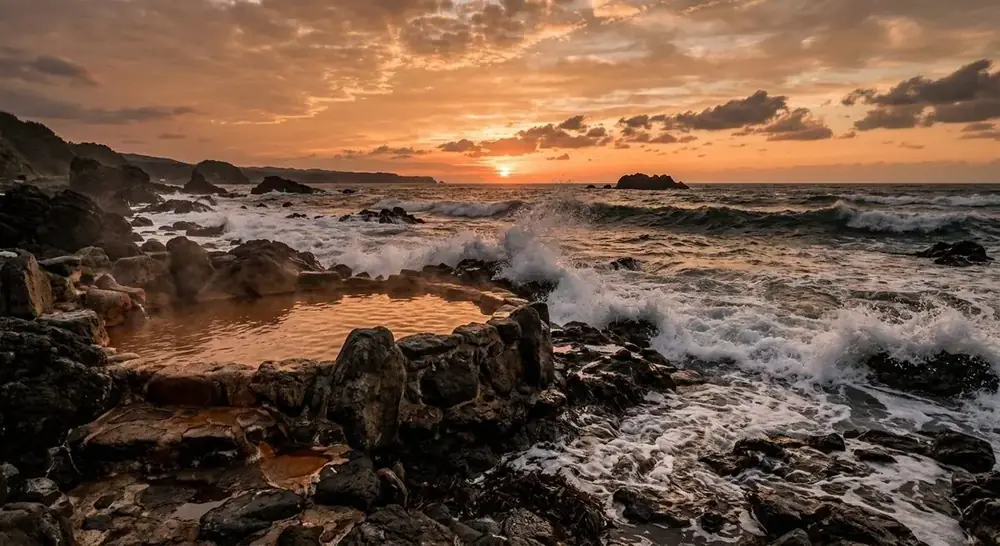
The highlight of any Gonō Line journey: a lone inn famous nationwide for its 'seaside open-air bath' set right at the water's edge of the Sea of Japan. Iron-rich chloride water, rust-red and cloudy, seems to merge with sea and sky. Day use is ¥600 — the seaside bath 8:00–16:00 (last entry 15:30), the main-building indoor 'Kogane-no-yu' 8:00–20:00. The mixed outdoor bath allows bathing wear (rental fee); a women-only outdoor bath sits alongside. Sunset soaks are for overnight guests only, so stay if you want one of Japan's 100 best sunsets from the tub.