Nara · Dorogawa Onsen
Dorogawa Onsen Visitor Center
洞川温泉ビジターセンター(洞川温泉センター)
A village-run day bath in the Dorogawa onsen street at 820 m, the trailhead for sacred Mt Ōmine. Reopened in April 2024 after renovation, it heats its water with a wood boiler burning local forest thinnings. Yoshino-cedar indoor bath, open-air bath and a rest room; the mildly alkaline water leaves skin silky. ¥800, 11:00–20:00, closed Wednesdays. Pair it with the lantern-lit wooden inns, the 'Gorogoro' spring water (one of Japan's 100 famous waters) and Menfudō limestone cave for one of Kansai's best retro onsen strolls. Busy as a summer retreat.
- Price (adult)
- ¥800
- Hours
- 11:00–20:00 (last entry 19:30; until 21:00 in August)
- Closed
- Wednesdays (next day if a holiday), 29 Dec – 1 Jan
- Access
- About 75 min by Nara Kotsu bus from Kintetsu Shimoichiguchi Station to Dorogawa Onsen, then 5 min on foot; 80 min by car from Katsuragi IC
- Water type
- Alkaline simple
- Tattoos
- Ask ahead
- Admission
- Adults ¥800, children (3 to elementary) ¥200 (¥600 before the 2024 renewal). Ticket machine. Shampoo, body soap and dryers free; body towels sold. Free lockers. Paid parking (90 minutes free with a bath, then ¥100 per hour). A stamp rally across the village's three bath facilities (Dorogawa, Tenno-kawa and Mizuha-no-yu) runs at times
- Baths
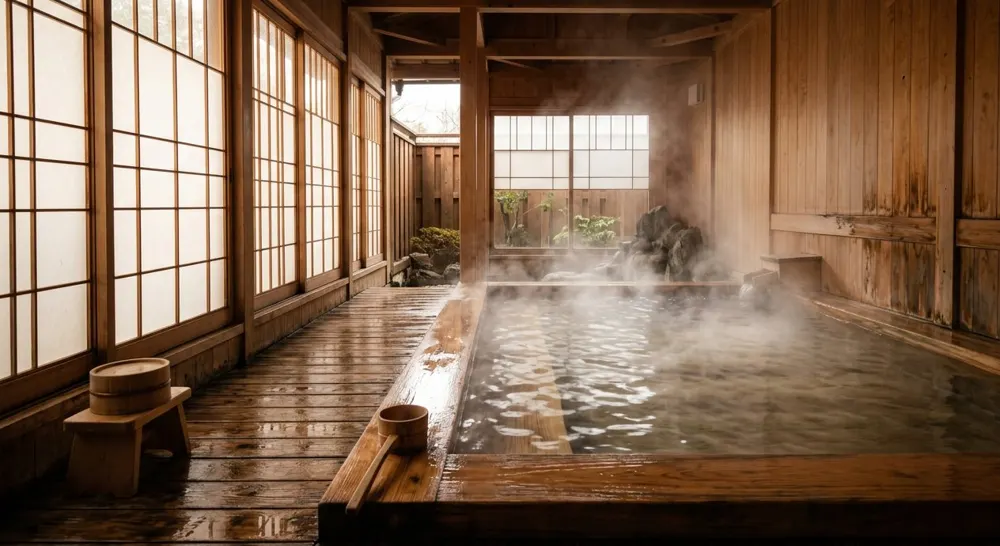
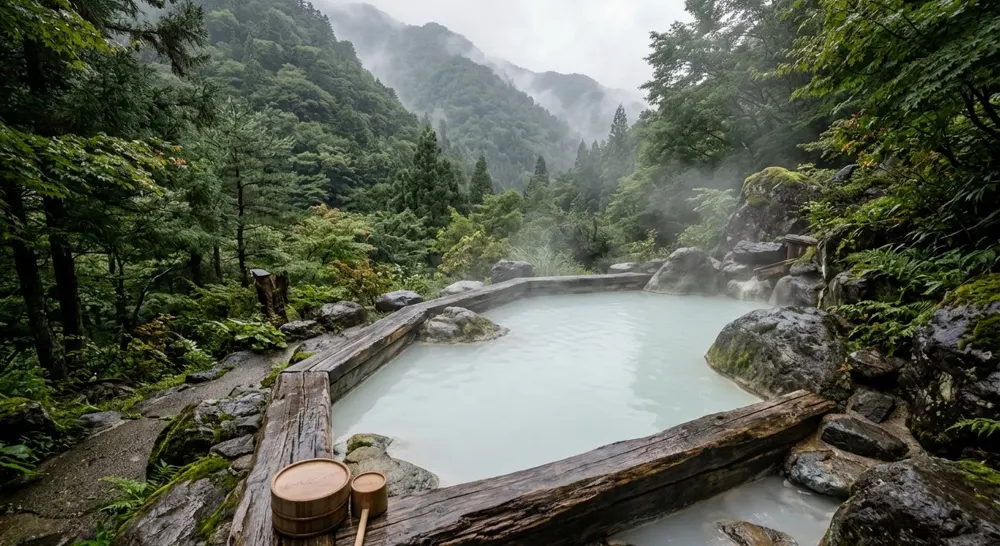
- A village-run day-bath at the entrance to the Dorogawa hot-spring street, reopened in spring 2024 as the 'Dorogawa Onsen Visitor Center'. In a building of Yoshino cedar: one cypress indoor bath (partly jetted) and one rock-built outdoor bath per gender, no sauna — a simple bathhouse full of the scent of wood. Tourist information and rest space downstairs, rest room upstairs. Where hikers from Mt Omine (Sanjogatake) and campers wash off the day. Nearby are the old street of Darani-suke herbal pharmacies, the Mendo limestone cave and the Mitarai gorge
- Spring water
- Weakly alkaline simple spring (hypotonic, low-temperature); the source 'Dorogawa Onsen Shinsen' is cool, so the water is heated, recirculated and filtered (chlorine plus silver-ion sterilisation). Colourless, tasteless and odourless with a smooth 'beauty water' feel, gentle enough for post-hike recovery. Indicated for neuralgia, muscle and joint pain, poor circulation and fatigue. Dorogawa is a highland hot-spring hamlet at about 820 m, cool even in summer, famous for its 'Gorogoro' spring water and for its intact street of pilgrim lodges serving Shugendo ascetics
- Access & parking
- From Kintetsu Shimoichiguchi Station (Yoshino Line), about 1 h 20 min on the Nara Kotsu bus bound for 'Dorogawa Onsen' to the terminus, then 5 min on foot (5–6 buses a day). By car about 1.5 h (54 km) from Katsuragi IC on the Minami-Hanna Road via Routes 169 and 309, about 2 h from central Osaka, 1.5 h from Nara city. 10 min by car from the Mitarai gorge entrance. Village paid car park (90 min free with a bath). Chains may be needed on icy winter roads
- Phone
- 0747-64-0800
- Official site
- dorogawaonsen.jp ↗
- Open in Google Maps
- Google Maps ↗
Essentials
Find a stay on Trip.com
Search and book accommodation across Japan on Trip.com. Day-use bathing needs no booking.
Opens partner booking site (affiliate)
Why go
- Renovated 2024, wood-fired village bath
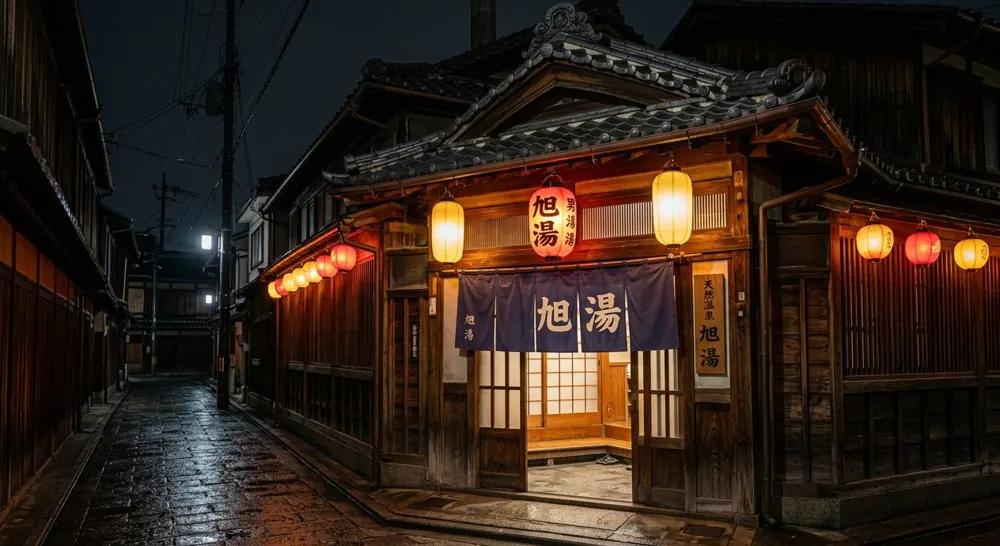
- Lantern-lit street of wooden inns
- ¥800, a cool summer retreat
Dorogawa, village of mountain ascetics, and its cedar-scented bath
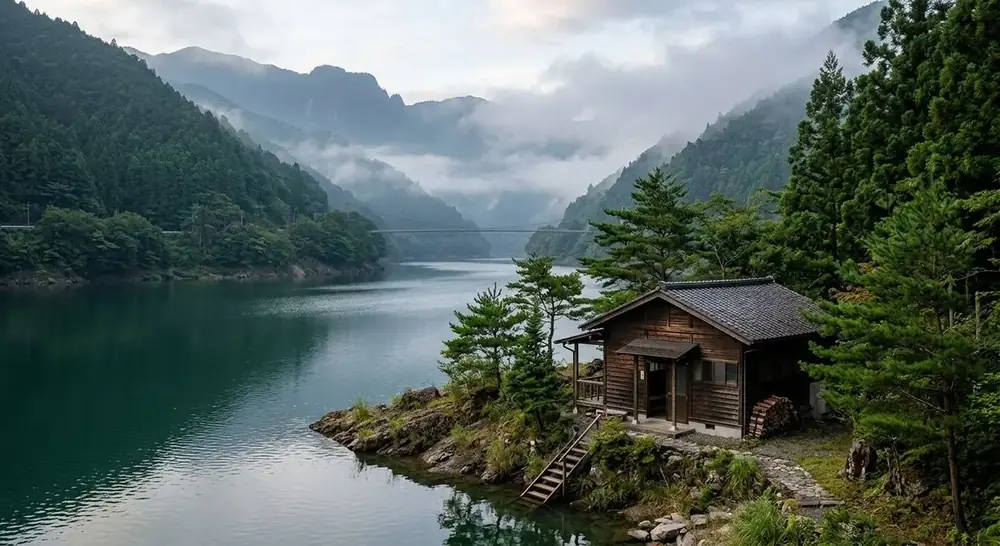
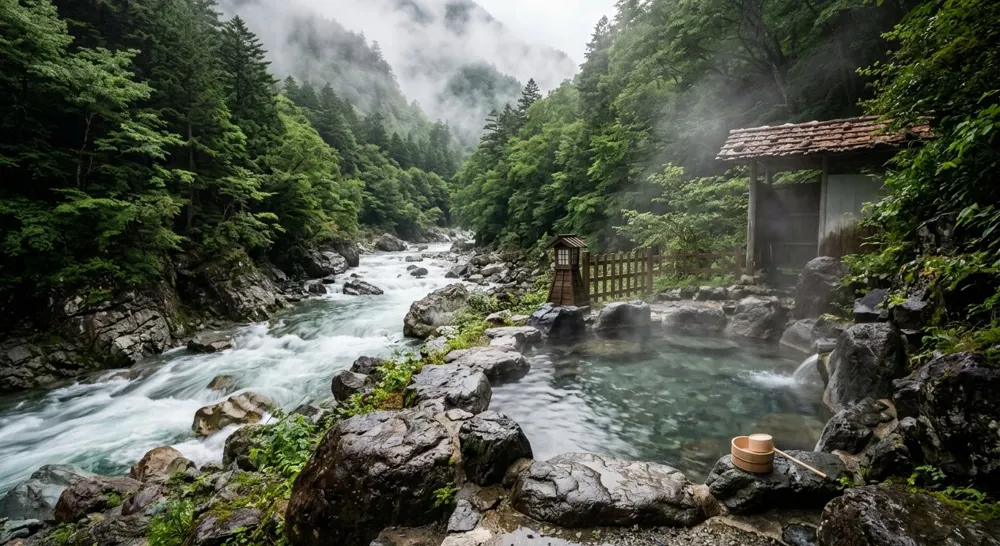
The Dorogawa Onsen Visitor Center (formerly Dorogawa Onsen Center) is a village-run day-bath in Dorogawa, a hamlet of mountain ascetics at 820 m in Tenkawa, Nara, at the foot of sacred Sanjogatake (1,719 m) in the Omine range. Dorogawa is a holy site of Shugendo founded 1,300 years ago by En-no-Gyoja and the trailhead for Sanjogatake, which still bars women; its street of pilgrim lodges, lined with latticed inns and pharmacies selling the stomach remedy 'Darani-suke', is cherished as a 'Showa-era hot-spring town'. Ringed by 1,000-metre peaks it is cool even in summer and famous for its 'Gorogoro' spring water. The Visitor Center was renovated in spring 2024: a Yoshino-cedar building with a cypress indoor bath and a rock rotenburo, where the gentle, weakly alkaline simple spring soothes legs after hikes and gorge treks. Adults ¥800, open 11:00 to 20:00 (21:00 in August), closed Wednesdays. It is a modest village bath rather than a resort, but combined with the autumn colours of the Mitarai gorge, the Mendo limestone cave and an evening stroll under the lanterns of the onsen street, it makes one of Kansai's finest 'hidden-valley onsen day trips'.
Cypress indoors, rock outdoors — the bath after the mountain
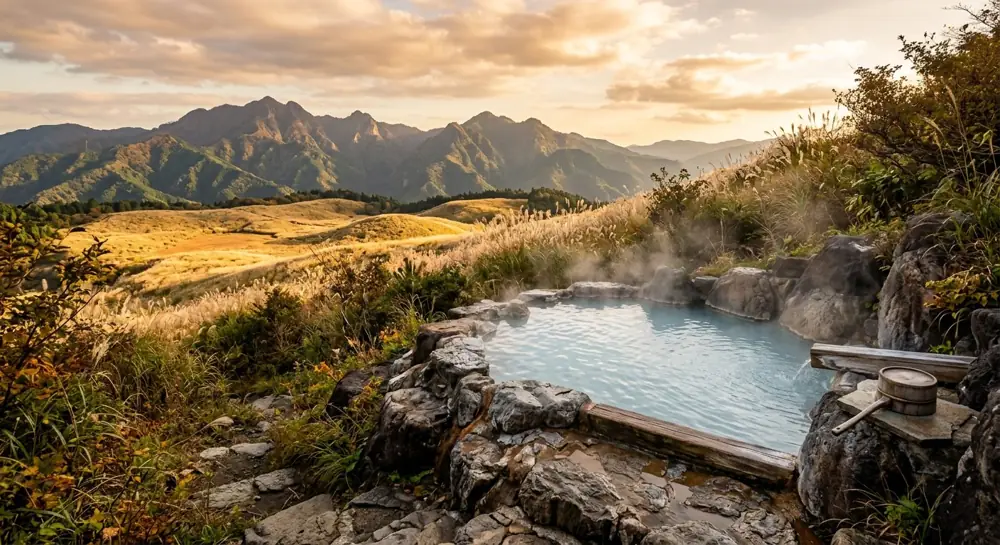
Park in the large car park at the entrance to the onsen street (90 minutes free with a bath), enter the cedar-scented building and buy a ticket from the machine. Downstairs there is tourist information and a rest area with maps and leaflets for Mt Omine and the Mitarai gorge. The baths are compact: per gender one cypress-lined indoor tub (partly jetted) and one rock-built outdoor bath beyond the glass door, with no sauna. The water is clear, odourless and smooth and on the cool side at 40–41°C, ideal for a long soak of hike-weary legs, and the outdoor bath is especially pleasant on crisp spring and autumn evenings. Shampoo, body soap and dryers are provided, so come empty-handed. Weekends from 14:00 to 17:00, when hikers descend, are busy and the few wash stations may mean a wait; aim for the morning or after 18:00. In August hours extend to 21:00, and summer evenings see the onsen street lit by lanterns and lively with strollers in yukata. There is a tatami rest room upstairs but no restaurant, so use the street's shops for tofu and konnyaku made with Gorogoro water, salt-grilled ayu and persimmon-leaf sushi. In winter (December–March) snow and icy roads make for a lovely snow-view bath, but drive carefully.
Practical details and a Tenkawa hidden-valley itinerary
Hours are 11:00–20:00 (last entry 19:30), until 21:00 in August, closed Wednesdays (the next day if a holiday) and 29 December to 1 January. Adults ¥800, children ¥200, raised from ¥600 at the 2024 renewal. By public transport it is about 1 h 20 min on the Nara Kotsu bus from Kintetsu Shimoichiguchi, with only 5–6 buses a day, so check the timetable; by car about 2 hours from Osaka or Nara. A suggested plan: in the morning trek the Mitarai gorge (about 7 km from Dorogawa, emerald waterfalls and suspension bridges, foliage in early to mid November) or visit the Mendo limestone cave (reached by monorail), stroll the onsen street past the Darani-suke pharmacies and Gorogoro water taps, bathe at the Visitor Center, and if possible stay a night in a pilgrim-lodge-style inn; next day visit Tenkawa Dai-Benzaiten Shrine (one of Japan's three great Benzaiten shrines) and Tenno-kawa Onsen, or climb Sanjogatake (men only, open May–September). Staying over rewards you with the lantern-lit street at night and crystalline morning air, and since most inns also accept day bathers you can make a 'bath tour' with the Visitor Center. Summer coolness, autumn colour and winter snow are all fine; just mind the Wednesday closure, bus frequency and icy winter roads.
Before you go
- No official tattoo policy is published — ask at reception.
- Payment is usually by ticket machine in cash — bring coins.
- Last entry is 30–60 minutes before closing.
Features
Mood & scenery
Price
Convenience
Amenities
✔ Verified operating: 2026-09 Operating status and rates cross-checked against the official site and onsen guides (full source notes in Japanese on the JA page)
Prices and hours change. Check official sources before visiting.
More in this area

Totsukawa Onsen Iori-no-yu
At the southern tip of Nara, directly opposite the Totsukawa Onsen bus center where Japan's longest local bus route (Yagi–Shingu) stops. A small all-timber bathhouse looking down on the Futatsuno dam lake. The whole village has pledged 'free-flowing spring water only', so nothing is recirculated. Free foot bath, hand bath and drinking fountain. Combine with the Kumano Kodo and Tanize suspension bridge.

Totsukawa Onsen Ikoi-no-yu
A village-run public bath on the shore of Futatsuno Dam lake in Totsukawa, the village that declared all its baths 100% free-flowing. Attached to a seniors' centre, it's plain but pours 70°C bicarbonate-chloride water straight in with no recirculation. Handy on Tuesdays when nearby Iori-no-yu is closed. ¥600, 9:00–21:00, closed only Jan 1–2. Five minutes' walk from Totsukawa-Onsen bus stop.

Tōsenji Onsen Izumi-yu (Totsukawa)
The village-run public bath of Tōsenji Onsen, the oldest spring in Totsukawa. pH 9.1 alkaline sulfur water flows fresh from the source even through the taps, leaving a faint sulfur scent and slippery skin. Just a stone open-air bath facing the gorge and an indoor tub—simple and ¥600. Handy on Route 168 en route to the Tanize suspension bridge or Kumano Hongū Taisha.