Nara · Totsukawa Onsen
Tōsenji Onsen Izumi-yu (Totsukawa)
湯泉地温泉 泉湯(十津川村)
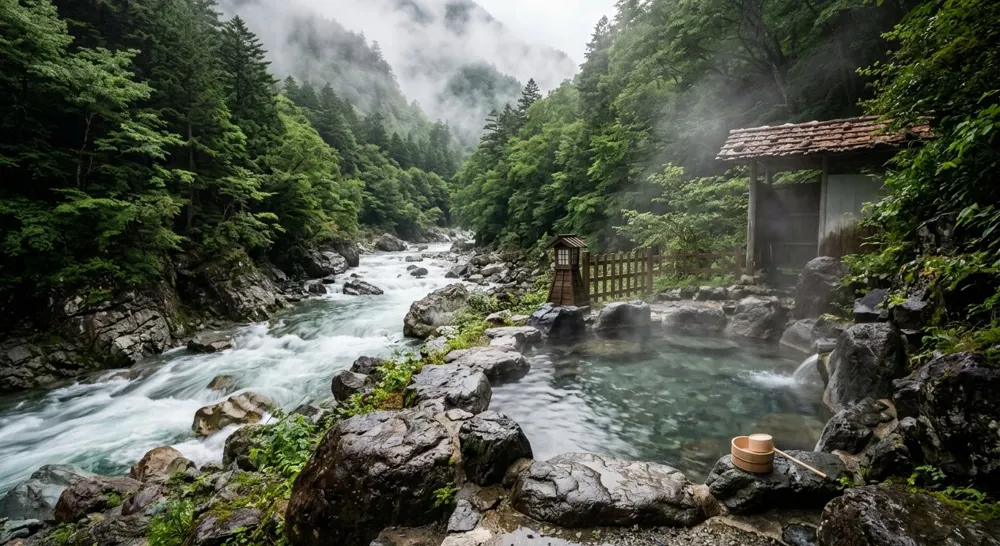
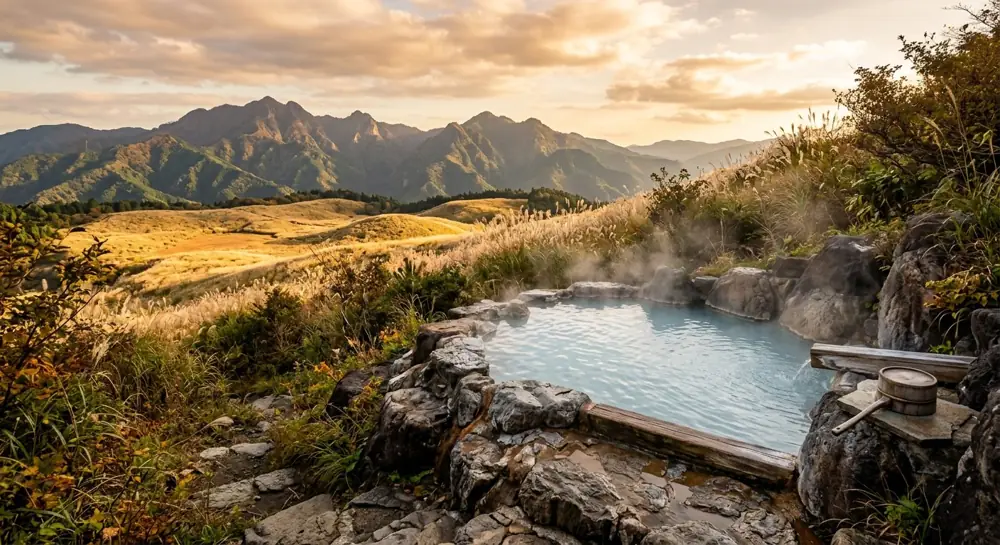
The village-run public bath of Tōsenji Onsen, the oldest spring in Totsukawa. pH 9.1 alkaline sulfur water flows fresh from the source even through the taps, leaving a faint sulfur scent and slippery skin. Just a stone open-air bath facing the gorge and an indoor tub—simple and ¥600. Handy on Route 168 en route to the Tanize suspension bridge or Kumano Hongū Taisha.
- Price (adult)
- ¥600
- Hours
- 10:00-20:00
- Closed
- Tue
- Access
- About 4 h by Nara Kotsu bus from Kintetsu Yamato-Yagi Station to Tōsenji-Onsen; 90 min by car from Gojō IC
- Water type
- Sulfur spring
- Tattoos
- Ask ahead
- Admission
- Adults ¥600 / children ¥300. A small public bath; check on site for soap and shampoo (bring your own). Within walking distance of Taki-no-yu (¥800) — the two public baths of Yusenji Onsen
- Baths
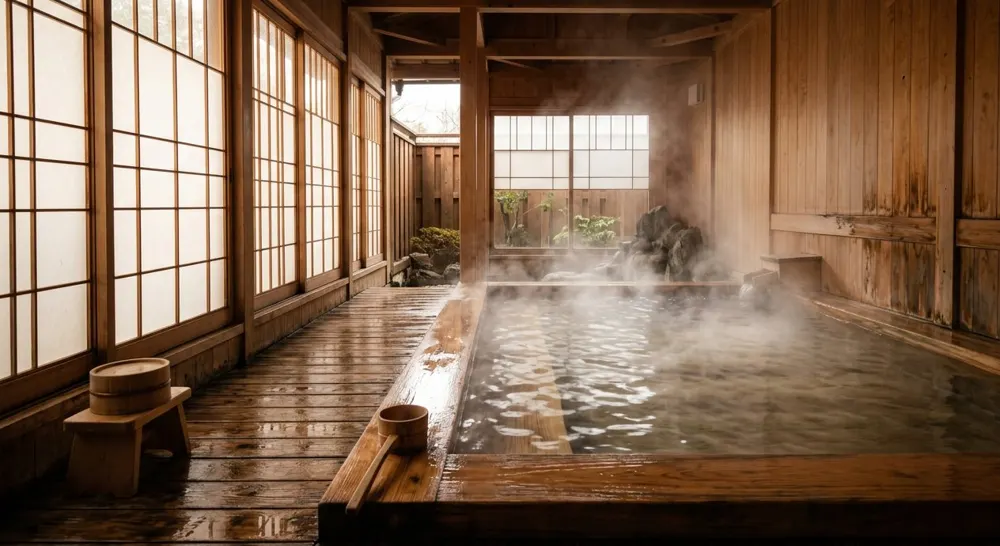
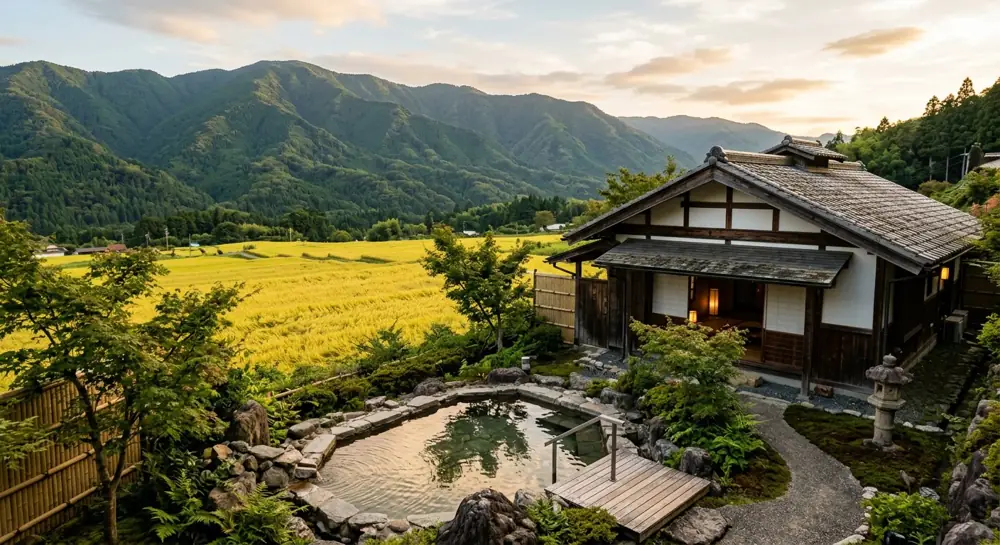
- A public bath on the highway near the village office at Yusenji Onsen in the Totsukawa gorge. One indoor tub per gender plus a small rotenburo facing the hills across the gorge. A simple cedar-scented wooden bathhouse. No sauna
- Water
- Alkaline simple sulphur spring, 60 °C, pH 9.1 — a faint sulphur scent and a strongly slippery feel; the village’s oldest spring (said to have been found by the ascetic En no Gyoja). Free-flowing under the village declaration
- Parking
- Small free lot. ~5 min on foot from the Nara Kotsu “Totsukawa-mura Yakuba” (village office) stop. ~20 min by bus or car north of Totsukawa Onsen
- Phone
- 0746-62-0090
- Official site
- vill.totsukawa.lg.jp ↗
- Open in Google Maps
- Google Maps ↗
Essentials
Find a stay on Trip.com
Search and book accommodation across Japan on Trip.com. Day-use bathing needs no booking.
Opens partner booking site (affiliate)
Why go
- Source water even in the taps
- Stone bath over the gorge
- ¥600 en route to Kumano Hongū
En no Gyoja’s sulphur spring — the village’s oldest source for ¥600
Izumi-yu is the public bath of Yusenji Onsen, in the Kohara district of Totsukawa where the village office stands and the Totsukawa River carves a deep gorge. Yusenji is the village’s oldest spring, said to have been discovered by En no Gyoja, founder of the Shugendo mountain religion, and its water is an alkaline simple sulphur spring of pH 9.1 — utterly different from the bicarbonate water of Totsukawa Onsen on Lake Futatsuno, with a faint sulphur scent and a soapy slipperiness. The simple cedar-scented wooden bathhouse has one indoor tub per gender and a small rotenburo facing the hills across the gorge, and under the village’s free-flowing declaration the 60 °C source runs without recirculation or chlorination. ¥600, open 10:00–20:00, closed Tuesdays. Also at Yusenji, within walking distance, is Taki-no-yu (¥800, closed Thursdays), famous for its gorge-side rotenburo — so whatever the day, one of the two is always open, and onsen fans compare the pair to savour “the sulphur water of Yusenji”. Five minutes on foot from the “Totsukawa-mura Yakuba” stop on the Yagi–Shingu bus, it is an easy stop mid-journey, and used as a waypoint between the Tanize suspension bridge (30 min north by bus) and Totsukawa Onsen (20 min south) it links the village’s three-spring circuit naturally.
Tips & cautions
- 10:00–20:00, closed Tuesdays — on Tuesdays walk to Taki-no-yu (closed Thursdays).
- Sulphur water tarnishes silver; the slippery water makes floors slick.
- Bring soap, shampoo and a towel.
- The rotenburo is small — if full, try again after the indoor bath.
- Tattoo policy unconfirmed — ask at the desk.
- About three buses a day each way — check times at the “Totsukawa-mura Yakuba” stop; only a few shops and eateries near the village office.
- Yusenji’s ryokan (some accept day bathers) share the same sulphur water.
- Totsukawa’s three-spring circuit: Yusenji (sulphur), Totsukawa (bicarbonate), Kamiyu (gorge rotenburo) — two in a day is realistic.
Getting there
~5 min on foot from the “Totsukawa-mura Yakuba” stop on Nara Kotsu’s Yagi–Shingu line (Kohara 373-1, Totsukawa, Nara). ~4 h from Kintetsu Yamato-Yagi, ~2 h 20 min from JR Shingu. By car ~2 h 40 min from Osaka via Route 168; free parking. Enquiries: Totsukawa Tourism Association, 0746-63-0200.
Before you go
- No official tattoo policy is published — ask at reception.
- As a communal bath there is no soap or shampoo — bring your own or buy at the shop.
- The water runs hot (43–45°C). Don't add cold water; take short repeated dips instead.
- Payment is usually by ticket machine in cash — bring coins.
- Last entry is 30–60 minutes before closing.
Features
Mood & scenery
Price
Who with
Convenience
Amenities
✔ Verified operating: 2026-09 Operating status and rates cross-checked against the official site and onsen guides (full source notes in Japanese on the JA page)
Prices and hours change. Check official sources before visiting.
More in this area

Totsukawa Onsen Iori-no-yu
At the southern tip of Nara, directly opposite the Totsukawa Onsen bus center where Japan's longest local bus route (Yagi–Shingu) stops. A small all-timber bathhouse looking down on the Futatsuno dam lake. The whole village has pledged 'free-flowing spring water only', so nothing is recirculated. Free foot bath, hand bath and drinking fountain. Combine with the Kumano Kodo and Tanize suspension bridge.

Totsukawa Onsen Ikoi-no-yu
A village-run public bath on the shore of Futatsuno Dam lake in Totsukawa, the village that declared all its baths 100% free-flowing. Attached to a seniors' centre, it's plain but pours 70°C bicarbonate-chloride water straight in with no recirculation. Handy on Tuesdays when nearby Iori-no-yu is closed. ¥600, 9:00–21:00, closed only Jan 1–2. Five minutes' walk from Totsukawa-Onsen bus stop.

Dorogawa Onsen Visitor Center
A village-run day bath in the Dorogawa onsen street at 820 m, the trailhead for sacred Mt Ōmine. Reopened in April 2024 after renovation, it heats its water with a wood boiler burning local forest thinnings. Yoshino-cedar indoor bath, open-air bath and a rest room; the mildly alkaline water leaves skin silky. ¥800, 11:00–20:00, closed Wednesdays. Pair it with the lantern-lit wooden inns, the 'Gorogoro' spring water (one of Japan's 100 famous waters) and Menfudō limestone cave for one of Kansai's best retro onsen strolls. Busy as a summer retreat.