Kōchi · Shimanto / Matsubakawa Onsen
Hotel Matsubakawa Onsen (Shimanto)
ホテル松葉川温泉(四万十町)
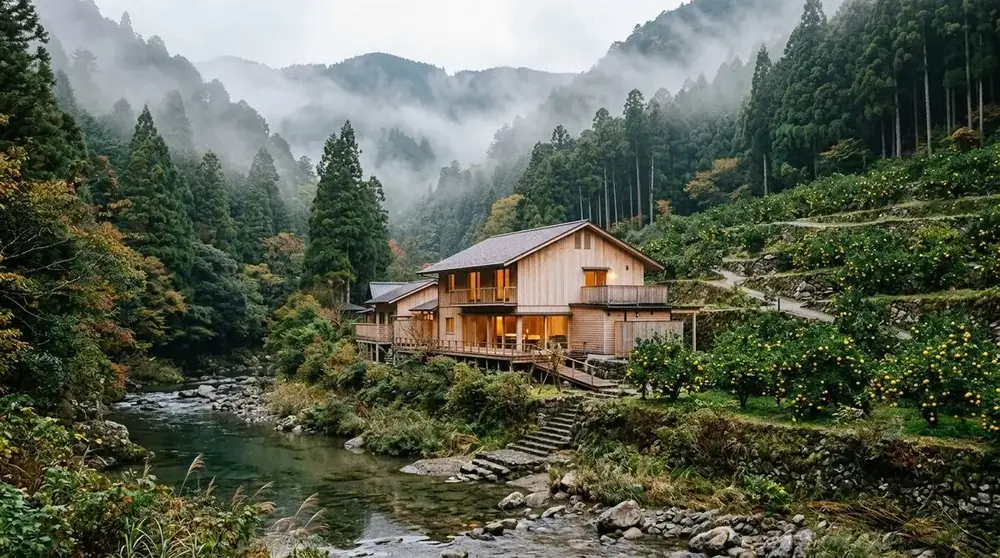
A solitary inn on the Hinoji River in the Shimanto headwaters. Its viscous, highly alkaline water has been revered as a healing spring since the Edo period, and a day soak is a modest ¥700. Enjoy the open-air bath above the stream or book a private bath. Open late, 10:30–21:00, and 30 minutes by car from Kubokawa Station—ideal after canoeing or cycling the Shimanto.
- Price (adult)
- ¥700
- Hours
- 10:30–20:00 (last entry 19:30)
- Closed
- Wed & Thu (holidays per the facility calendar)
- Access
- 30 min by car from JR Kubokawa Station (ask about pick-up); 30 min from Shimanto-chō Chūō IC
- Water type
- Alkaline simple
- Tattoos
- Ask ahead
- Admission
- Adults ¥700, children (through elementary) ¥350, preschoolers free. Pay at the front desk. Shampoo and body soap provided; bring or buy a towel. The day-visitor restaurant is currently closed (meals for overnight guests only). Rooms from ¥8,500 per night. Day bathing may be unavailable with group stays — phoning ahead is recommended
- Baths
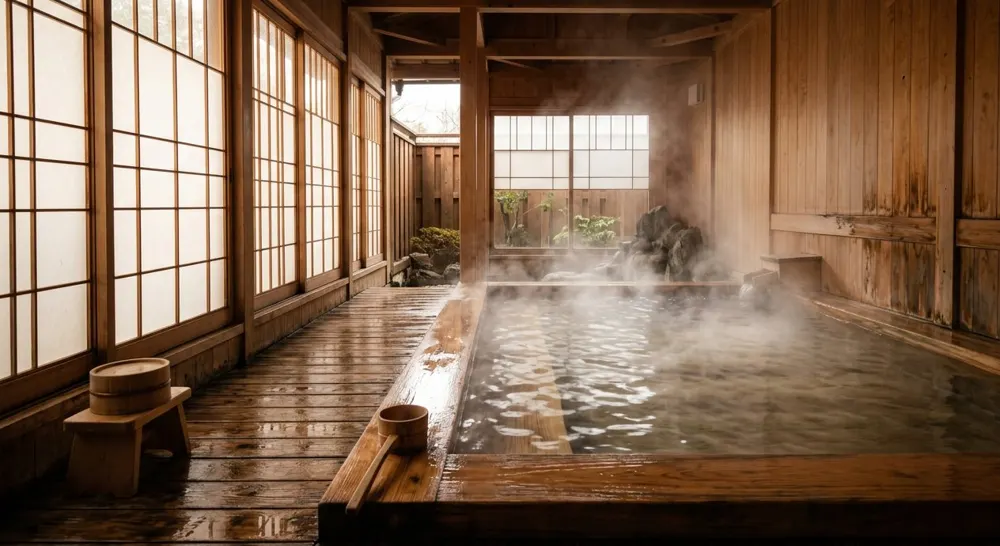
- The sole lodging (a hot-spring hotel) of Matsubakawa Onsen, in the gorge of the Hinoji river, a tributary in the headwaters of the Shimanto. Gender-separated indoor halls with two pools fed by different sources, a rotenburo looking onto river and mountains, a cold plunge and sauna. The outdoor bath sits right above forest and stream — fireflies in summer, autumn colour, stars at night. Lobby rest area. Semi-municipal, simple but clean. Renovated 2001
- Spring water
- Simple sulphur cold mineral spring (alkaline, hypotonic), about 13°C at source, 21 L/min, drawn from two different sources and used in separate tubs — a rare arrangement in Japan. The sulphur and alkalinity give a pronounced slipperiness described as 'torotoro', leaving skin moist — a 'beauty water'. The source richer in bicarbonate feeds the rotenburo. The cool water is heated (with recirculation). Indicated for neuralgia, joint pain, poor circulation, skin disease, cuts, diabetes and chronic gynaecological complaints. Known since the Edo period as a 'sacred spring' of many virtues; not for drinking
- Access & parking
- Free parking for 60–65 cars. By car about 18 km / 30 min from Shimanto-cho Chuo IC on the Kochi Expressway via Route 56 and prefectural roads 19 and 322; about 1 h 40 min from Kochi city. By bus about 35 min on the Nanko Kanko bus bound for Matsubakawa Onsen from JR Kubokawa Station (Dosan Line), right at the terminus (few services — check the timetable). The nearest station, Rokutanji, is 15 km away and impractical. 50 min by car to the mid-Shimanto sights such as the Iwama submersible bridge
- Phone
- 0880-23-0611
- Official site
- kochi-tabi.jp ↗
- Open in Google Maps
- Google Maps ↗
Essentials
Find a stay on Trip.com
Search and book accommodation across Japan on Trip.com. Day-use bathing needs no booking.
Opens partner booking site (affiliate)
Why go
- Lone inn at the Shimanto source
- Silky high-alkaline water
- ¥700, open till 21:00
A 'torotoro' sulphur spring at the Shimanto's source — a lone inn above the gorge
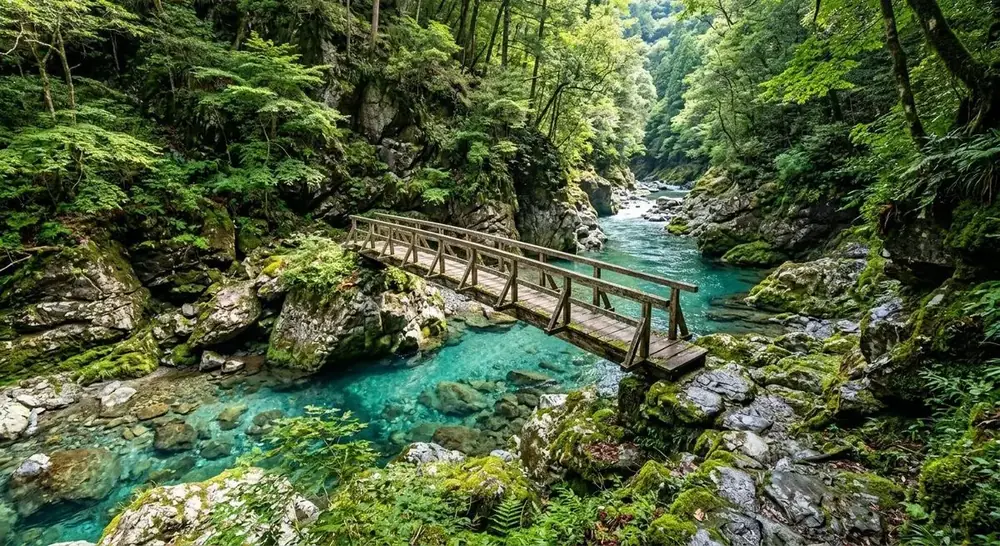
Hotel Matsubakawa Onsen is a lone hot-spring inn in the gorge carved by the Hinoji river, a tributary in the headwaters of the Shimanto — 'Japan's last clear stream' — in Shimanto town, Kochi. Known since the Edo period as a 'sacred spring that cures all ills', Matsubakawa was a tiny mountain cure-bath until the 1980s, when it was developed as a semi-municipal hotel; it is now the only hot-spring facility on the upper Shimanto. Its chief distinctions are a configuration rare even in Japan — two different sources piped into two separate tubs — and a pronounced slipperiness, described as 'torotoro' (thick and syrupy), from sulphur combined with alkalinity. The rotenburo juts over the gorge, wrapped in forest and the sound of the stream, with fireflies in summer, autumn leaves and stars at night. Day bathing costs ¥700 from 10:30 to 20:00 (closed Wednesdays and Thursdays), and at 30 minutes from Shimanto-cho Chuo IC on the Kochi Expressway it makes a fine pause on a drive to the Shimanto's submersible bridges or on the Shikoku pilgrimage (temple 37, Iwamoto-ji).
Two sources, two tubs and a rotenburo above the forest
Pay ¥700 at reception and head to the baths: each gender-separated hall has two tubs, each fed by a different source, and comparing them is part of the fun. Both sources are cold mineral springs around 13°C and so are heated, yet the moment your hand goes in it feels as if soap were dissolved in the water, and stroking your skin proves 'torotoro' is no exaggeration. The sulphur smell is faint and the water clear; soaking leaves a thin, moist film on the skin that lingers long after. The rotenburo opens onto the gorge with the murmur of the Hinoji river and a forest of cedar and broadleaf trees directly below, and uses the source richer in bicarbonate, so it is especially slick. Fireflies dance by the river on early-summer nights, foliage peaks in mid-November, and clear winter nights bring stars. A sauna and cold plunge let you run a 'sauna, plunge, forest air' circuit too. Wash stations are few and the facilities simple but clean; it is a little busy before the overnight guests' dinner (17:00–19:00). The day-visitor restaurant is closed, so eat in Kubokawa town; vending machines and the lobby are available. The water is not for drinking.
Practical details and an upper-Shimanto route
Day bathing runs 10:30–20:00 (last entry 19:30), closed Wednesdays and Thursdays (holidays follow the inn's calendar); some older listings say 'Wednesday from 16:00', so phone ahead (0880-23-0611). Day visitors may be turned away when groups are staying. Adults ¥700, children ¥350, preschoolers free. A car is essential: 30 minutes from Shimanto-cho Chuo IC, 1 h 40 min from Kochi city, parking for 60-plus; the bus from Kubokawa Station takes 35 minutes but runs rarely. A good route: in the morning visit Iwamoto-ji, temple 37 of the Shikoku pilgrimage in Kubokawa (575 ceiling paintings), and the upper Shimanto's submersible bridges (Ittohyo, Wakai), bathe at Matsubakawa, then eat Kubokawa's famed Shimanto pork tonkatsu or eel. Staying over brings river-fish and mountain-vegetable cuisine and stargazing from the rotenburo, from a modest ¥8,500 a night. Shimanto city (Nakamura) further downstream is 1 h 10 min by car; since this and a handful downstream are the only 'real' hot springs in the Shimanto basin, it is a precious option for travellers on the river. Beware icy mountain roads in winter.
Before you go
- No official tattoo policy is published — ask at reception.
- Ryokan day-use hours are limited and may be suspended in peak season — phone the same morning.
- Payment is usually by ticket machine in cash — bring coins.
- Last entry is 30–60 minutes before closing.
Features
Rules & private
Mood & scenery
Price
Who with
Convenience
Amenities
✔ Verified operating: 2026-09 Operating status and rates cross-checked against the official site and onsen guides (full source notes in Japanese on the JA page)
Prices and hours change. Check official sources before visiting.
More in this area

Sansuien Suisaikaku Onsen
The bath wing of a historic hotel built on the site of the Yamauchi lords' residence below Kochi Castle. A rare natural hot spring in central Kochi, with a rotenburo facing the Kagami River and Mt. Hitsuzan, a large indoor bath and sauna. Day use is daytime only, 10:00–16:00. Fifteen minutes on foot from Harimaya Bridge — easy between sightseeing and the Sunday market. ¥1,200; bring or rent a towel.

Tosaryu Onsen Sanyoso
Forty minutes by car from Kochi city, a hot-spring inn beside Shoryuji, temple 36 of the Shikoku pilgrimage. It claims Kochi's only high-concentration, high-temperature spring; the golden chloride water is nicknamed 'the heat bath' for how long it keeps you warm. The rotenburo looks over Usa Bay and the Pacific, and there's a free seaside footbath. Day use in two sessions — 5:30–9:00 and 14:00–21:00 — ¥750 on weekdays.

Ashizuri Thermae (Ashizuri Onsen)
A design hotel on the headland at Cape Ashizuri, Shikoku's southernmost point, renewed in 2024. It holds one of the source wells of the Ashizuri hot-spring cluster — a natural radon spring, mildly alkaline, with a legend linking it to Kōbō Daishi — enjoyed in an open-air bath overlooking the Pacific, two indoor tubs and a Shimanto-cypress sauna. Sunsets into the horizon and the night sky are the draw. Day use 15:00–21:00 (last entry 20:30), ¥1,100 including bathing tax. Closed Tuesday to Thursday (with exceptions in peak season), so confirm ahead. About 90 minutes by bus from Nakamura Station, or an hour by car from Shimanto city. Combine with the cape lookout, the aquarium and the free Manjirō foot bath.