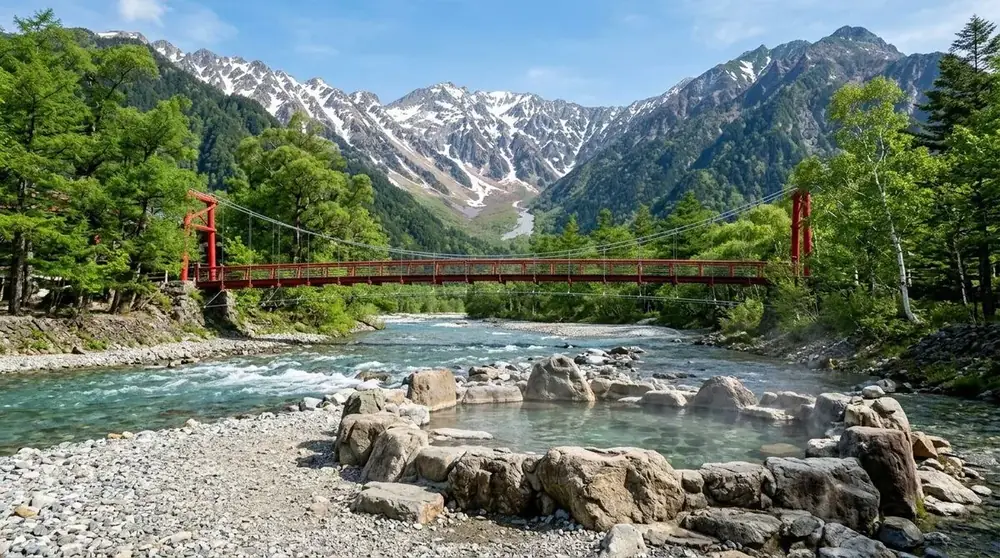
Gifu · Okuhida Onsen (Hirayu, Shinhotaka)
Hirayu-no-Mori
ひらゆの森
The largest day-use facility in Okuhida. Sixteen open-air pools (7 men's, 9 women's) scattered through the forest, all fed directly from the source. Hida beef restaurant on site. The classic stop after Kamikochi or Shin-Hotaka.
- Price (adult)
- ¥700
- Hours
- 10:00–21:00 (last entry 20:30)
- Closed
- Open daily (maintenance closures)
- Access
- 3 min walk from Hirayu Onsen bus terminal
- Water type
- Bicarbonate spring
- Tattoos
- Ask ahead
- Spring type
- Sulphur-sodium-calcium-magnesium bicarbonate-chloride spring (hydrogen-sulphide type). Source about 85°C, pH 6.8. Milky to bluish-white with a sulphur scent and abundant yunohana flakes. Cooled with added water; free-flowing, no recirculation. Cloudiness and temperature differ from tub to tub
- Baths
- Sixteen open-air pools (7 men's, 9 women's), one all-cypress indoor bath per side, saunas. Two private baths (12:00–15:00, last booking 14:15, ¥3,000 per room). Rock pools, log tubs, lie-down and tepid baths dotted through the wooded grounds
- Price & facilities
- Adults ¥700, children (3 to grade 6) ¥500. Shampoo and body wash provided; towels sold and rented; hair dryers. Free tatami rest hall, restaurant 'Mominoki' (Hida beef, hoba-miso), shop. Lodging on site. Free parking for about 100 cars next to the bus terminal
- Phone
- 0578-89-3338
- Official site
- www.hirayunomori.co.jp ↗
- Open in Google Maps
- Google Maps ↗
Essentials
Stay in this onsen town
Compare and book stays in Okuhida Onsen (Hirayu, Shinhotaka). Day bathing itself needs no booking.
Opens partner booking site (affiliate)
Why go
- Sixteen open-air pools in the forest
- Every tub flows straight from the source
- Hida beef dining
What it is like
Next to the bus terminal at Hirayu, the gateway to the Okuhida hot-spring villages, this day spa scatters no fewer than 16 open-air pools through a Northern Alps forest for just ¥700 — which is why it is often called the best-value day bath in Japan. Hirayu is the oldest spring in Okuhida, discovered according to legend when a white monkey led Takeda Shingen's troops to it, and it gushes about 10,000 litres a minute. The sulphurous bicarbonate-chloride water varies from milky white to bluish to nearly clear from pool to pool, and temperatures range from hot to tepid, so you wander from tub to tub through the trees as if on a bath crawl. The all-cypress indoor bath, with its high ceiling and scent of wood, is a pleasure too, and snow bathing from December to March is the most popular season. Many visitors stop here on the way back from Kamikōchi, Norikura or the Shinhotaka Ropeway — the location means you can fit a soak into a bus connection.
Facilities, what to bring & tips
- Shampoo and body wash provided; towels sold and rented, so you can come empty-handed. ¥100 refundable lockers.
- The open-air area is large and you walk between pools naked — cold underfoot in winter (sandals provided). Lighting is subdued at night, so watch your step.
- Sulphur tarnishes silver, and the abundant yunohana flakes can mark white towels.
- Private baths run 12:00–15:00 only, first come first served on the day (no reservations) — arrive before noon to be sure.
- Tattoos are not permitted (house rule).
- With a restaurant and rest hall you can bathe, eat lunch and bathe again (re-entry allowed with your ticket).
- Busiest 1–5 pm on weekends and holidays, and in the late afternoon when Kamikōchi traffic returns. Weekday mornings or after 7 pm are quiet.
- Cash, credit cards and e-money accepted (as of 2025).
Access and surroundings
Two minutes' walk from Hirayu Onsen bus terminal. Nōhi Bus from Takayama (Shinhotaka-bound) takes 55–60 minutes; Alpico from Matsumoto about 1 h 25 min; the shuttle from Kamikōchi about 25 minutes; the highway bus from Shinjuku about 4.5 hours. By car it is 45 minutes from Takayama IC or an hour from Matsumoto IC, right off the Hirayu exit of the Abō Pass road. Because private cars are banned from Kamikōchi and Norikura, many people park at Hirayu's Akandana car park and switch to buses — a bath before or after is the standard routine. Nearby are Hirayu Shrine, the donation-based rotenburo 'Hirayu no Yu' at the folk museum, and Hirayu Great Falls (5 minutes by car; illuminated when frozen in winter).
Before you go
- No official tattoo policy is published — ask at reception.
- Payment is usually by ticket machine in cash — bring coins.
- Last entry is 30–60 minutes before closing.
Features
Rules & private
Convenience
Mood & scenery
Price
Amenities
✔ Verified operating: 2026-09 公式・奥飛騨温泉郷観光協会 (大人700円/小人500円, 10:00–21:00 受付20:30, 露天 男7・女9)
Prices and hours change. Check official sources before visiting.
More in this area
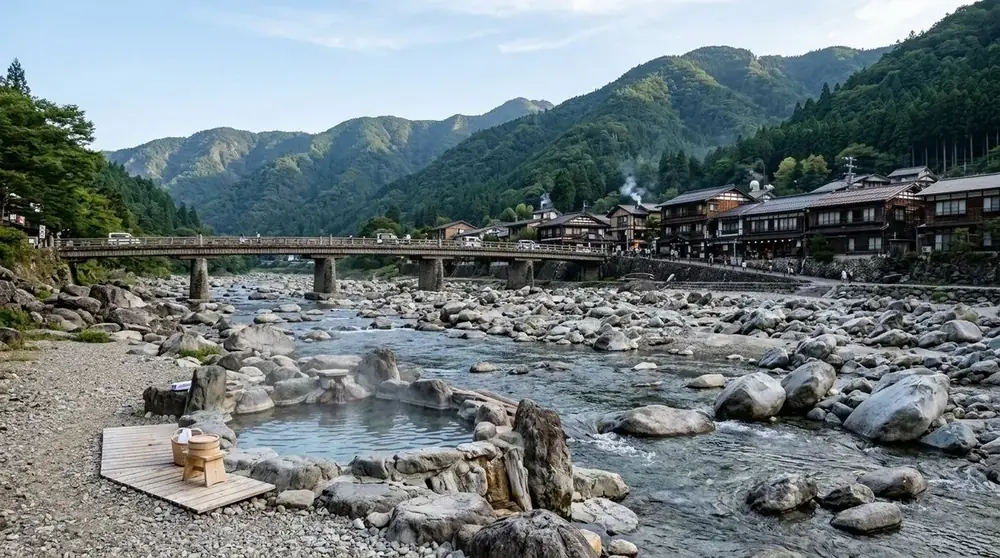
Shirasagi-no-Yu
A public bath in the heart of Gero, one of Japan's three famous springs. The alkaline simple spring (pH over 9) leaves skin silky — the classic 'beauty bath' — for just ¥470. Indoor pool only, popular with locals. Combine it with the ¥1,500 'yumeguri' pass that admits you to three ryokan baths. 10 minutes on foot from Gero Station.
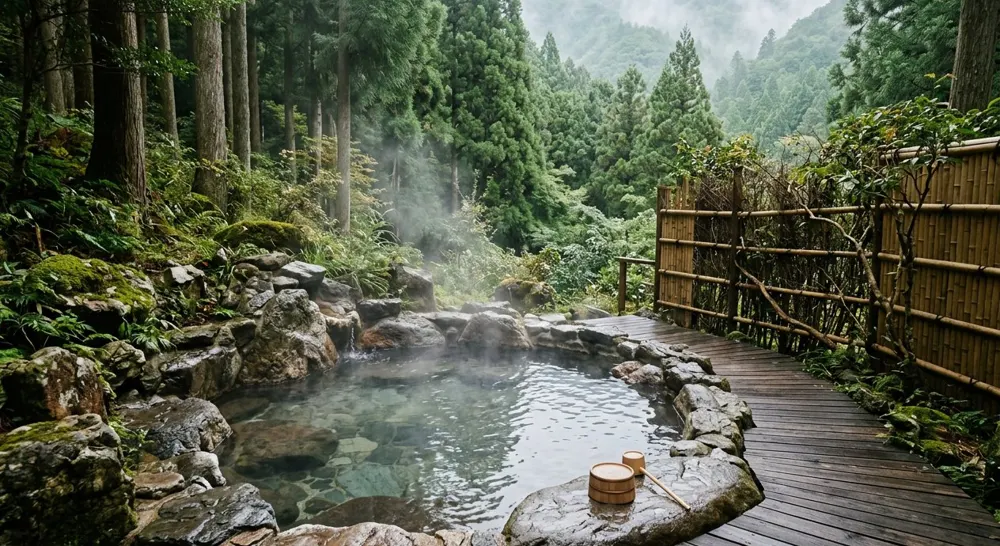
Kur Garden Open-air Bath
A public bath that is entirely open-air, on the Hida River. No indoor pool — six outdoor tubs including a waterfall shower, box steam and pot baths. Gero's silky pH 8.9 water with a river breeze.
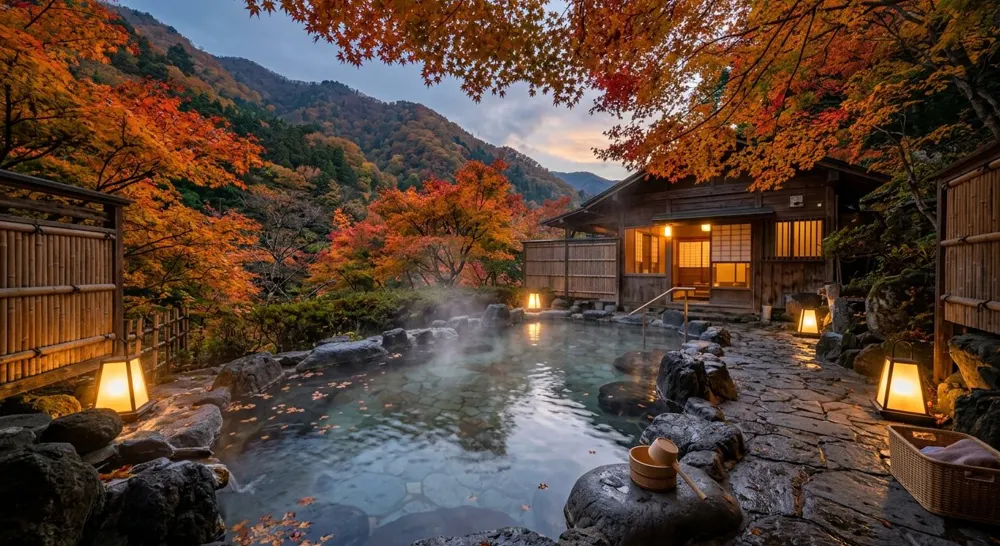
Sachi-no-yu
A bathhouse-style onsen behind Gero Station with seven baths — waterfall, open-air, jets, sauna — for less than half a ryokan's day-use fee. Bring soap or buy it from the vending machine.