Tokyo · Ōme & Okutama
Okutama Onsen Moegi-no-Yu
奥多摩温泉 もえぎの湯
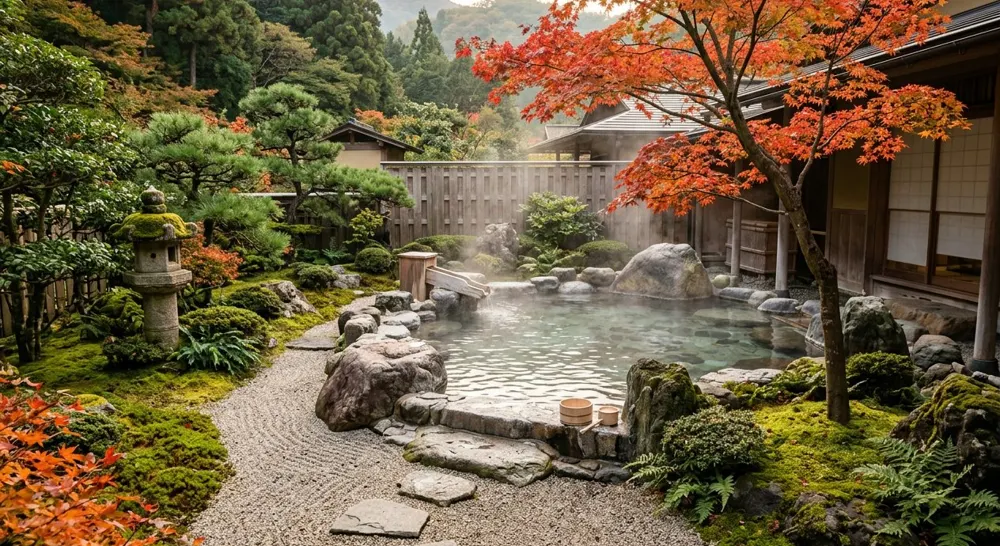
A 100% source-water onsen ten minutes on foot from JR Okutama Station. Water from the Paleozoic strata, said to be Japan's oldest, is enjoyed in an open-air bath over the Tama River.
- Price (adult)
- ¥1,200
- Hours
- 10:00–20:00 (last entry 19:00)
- Closed
- Mondays (next day if a holiday)
- Access
- About 10 minutes on foot from Okutama Station on the JR Ome Line
- Water type
- Simple spring
- Tattoos
- Ask ahead
- Admission
- ¥1,200 for adults covers three hours, with each extra hour ¥300. Elementary students are ¥600 with ¥150 per extra hour, and pre-school children are free. Presenting a disability certificate brings adults to ¥550 and elementary students to ¥250. The ¥50 bathing tax is included.
- Hours and closure
- April to November the hours are 10:00–20:00 (last entry 19:00) and December to March 10:00–19:00 (last entry 18:00). It closes on Mondays, or the following day when Monday is a holiday. Hours can change with weather or crowds. The dining hall runs 11:00–19:30 (last order 19:00) from April to November and 11:00–18:30 (last order 18:00) from December to March.
- Spring quality
- The source is named Okutama Onsen; the spring carries metaboric acid and fluorine and leaves the ground at 21.8 °C. It rises from Paleozoic strata, said to be Japan's oldest, and is used at 100% source water with no dilution. Indicated for neuralgia, muscular and joint pain, frozen shoulder, motor paralysis, stiff joints, bruises, sprains, chronic digestive complaints, haemorrhoids, cold sensitivity, fatigue, general health and recovery from illness.
- Baths and rules
- There are two bath halls, an upstream and a downstream one, and men's and women's sides swap each month: in April the upstream bath is for women and the downstream for men, and in May the reverse. Under Tokyo's public bathing ordinance, children aged 7 and over may not bathe with the opposite sex. The foot bath is currently out of service.
- Phone
- 0428-82-7770
- Official site
- okutamas.co.jp ↗
- Open in Google Maps
- Google Maps ↗
Essentials
Find a stay on Trip.com
Search and book accommodation across Japan on Trip.com. Day-use bathing needs no booking.
Opens partner booking site (affiliate)
Why go
- 100% source water from Paleozoic strata
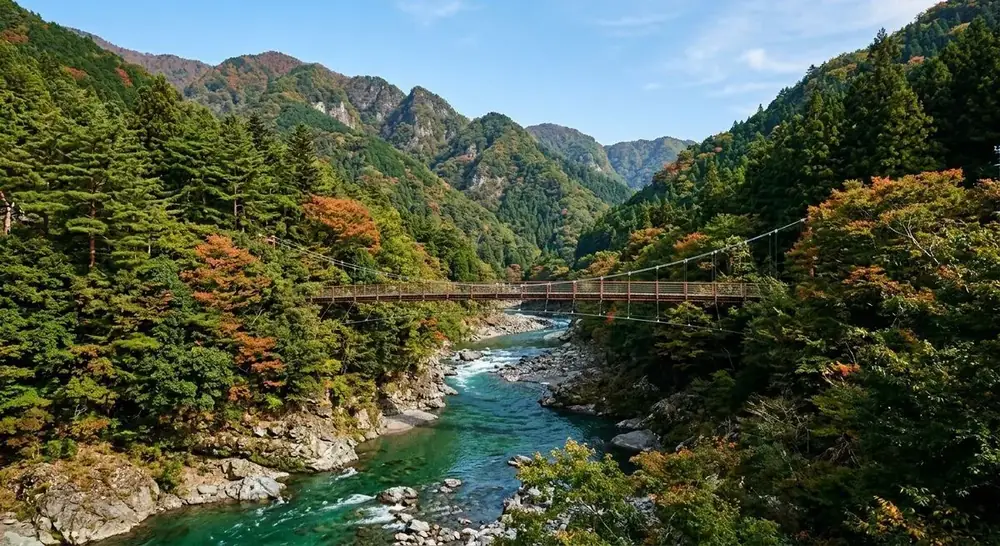
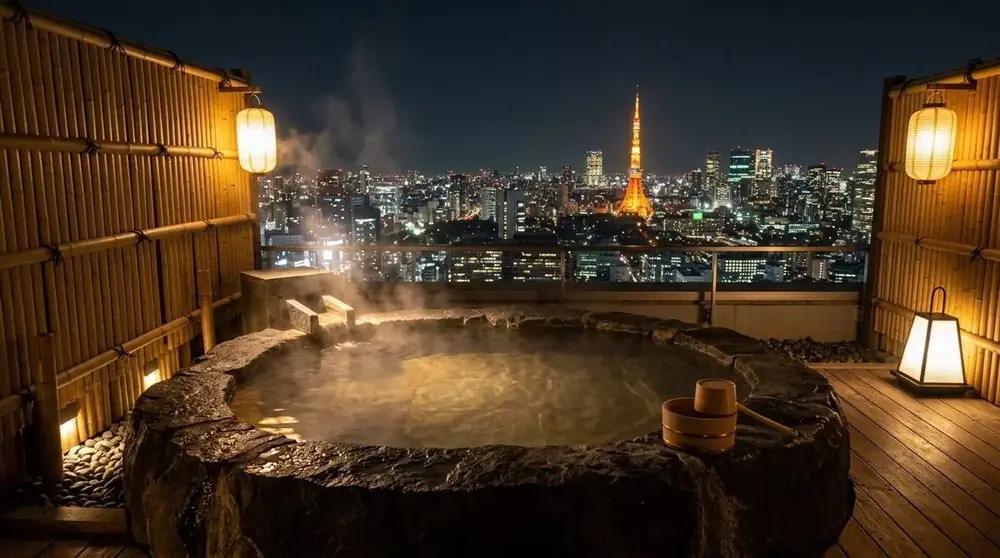
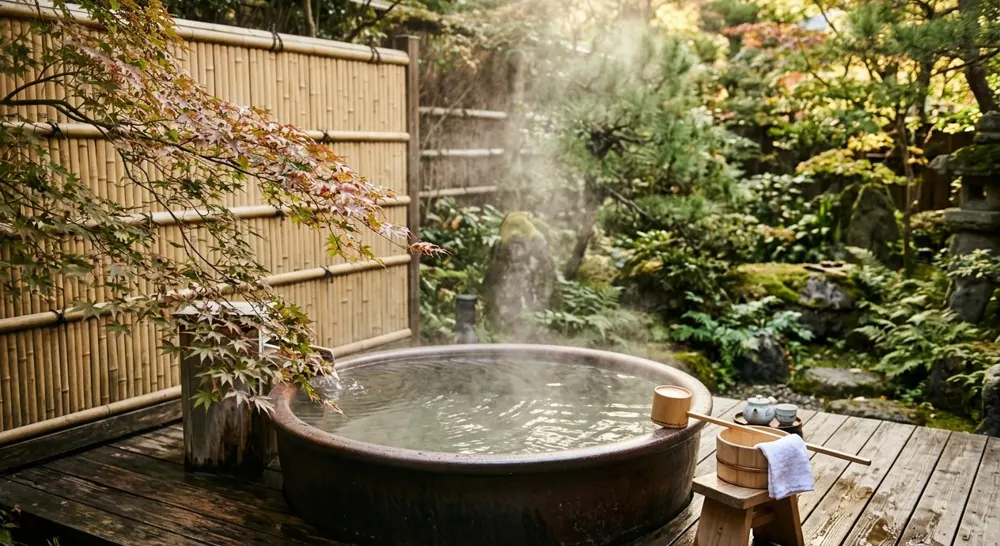
- Open-air bath overlooking the Tama River
- Ten minutes from the station, easy to pair with hiking
A 100% source bath within walking distance of Okutama Station
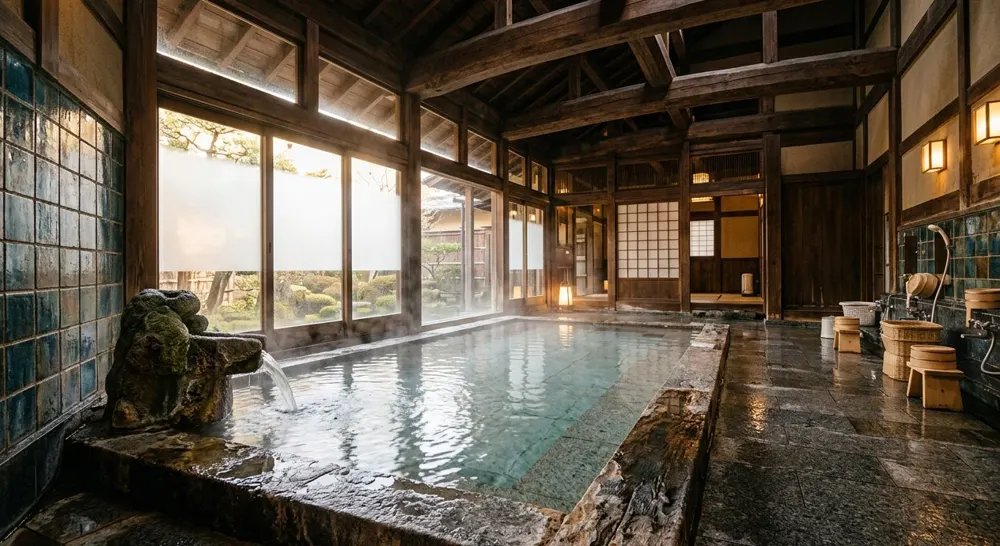
Moegi-no-Yu is a day-trip spa about ten minutes on foot from Okutama Station on the JR Ome Line. Most of Okutama's springs require a car, which makes this one of the few you can simply walk to, ideal for stopping after a climb or a valley walk. The baths run on 100% source water; from the open-air bath you look over the Tama River and the ridges beyond, and the indoor bath's windows frame Okutama's mountains and trees. Inside there is a dining hall, a rest area and a shop, so you can linger after bathing.
Water from Paleozoic rock, and baths that change monthly
The source is Okutama Onsen, carrying metaboric acid and fluorine, at 21.8 °C. It comes from deep within Paleozoic strata, said to be Japan's oldest rock, and is used undiluted. There are two bath halls, upstream and downstream, and the men's and women's sides swap each month: in April the upstream bath is women's and the downstream men's, in May the reverse. The open-air bath lets you soak to the sound of the Tama River while the mountains change with the seasons.
The three-hour limit and seasonal hours
Charges are by the hour: ¥1,200 for three hours for adults and ¥300 for each hour after, bathing tax of ¥50 included. Elementary students pay ¥600 and young children are free. Hours are 10:00–20:00 from April to November and 10:00–19:00 from December to March, with last entry an hour before closing. It is closed on Mondays, or the next day when Monday is a holiday. Hours may change with weather or crowds, and the foot bath is currently closed. Families should also note that children aged 7 and over may not bathe with the opposite sex under Tokyo's ordinance.
Before you go
- No official tattoo policy is published — ask at reception.
- Last entry is 30–60 minutes before closing.
Features
Mood & scenery
Price
Convenience
Amenities
✔ Verified operating: 2026-10 Operating status and rates cross-checked against the official site and onsen guides (full source notes in Japanese on the JA page)
Prices and hours change. Check official sources before visiting.
More in this area

Toshimaen Niwa-no-Yu
An urban spa in front of Toshimaen Station, 20 minutes from Ikebukuro on the Seibu line. Natural hot-spring water drawn from 1,445 m feeds an open-air bath overlooking a Japanese garden, plus a swimsuit 'Bade' pool zone. Adults and teens only (junior high and up), so it stays quiet. Lounges, a restaurant and body care invite long weekday afternoons. No tattoos.

Maenohara Onsen Sayanoyudokoro
Eight minutes from Shimura-sakaue Station in Itabashi, one of Tokyo's most atmospheric super-sento, built around a Showa-era mansion and dry-landscape garden. Free-flowing olive-green spring water in the rotenburo, high-concentration carbonated bath, stone sauna and a soba restaurant. ¥970 weekdays, ¥1,300 weekends and holidays; open until midnight. No tattoos.

Kaiseiyu Onsen Bathhouse (Kamata)
Kamata, 15 minutes by train from Haneda Airport, has Tokyo's densest cluster of 'kuroyu' black-water springs. Kaiseiyu, founded in 1929, is the classic: a coffee-dark natural bicarbonate bath, a high-concentration carbonated pool and a cold plunge, with a goldfish aquarium set into the bath wall. ¥600; a toiletries-and-towel set is sold at the desk. Ideal before a flight or after a late arrival. Tattoos are fine, as in most sento.