Tokyo · Tokyo City
Jindaiji Onsen Yumori-no-Sato
深大寺天然温泉 湯守の里
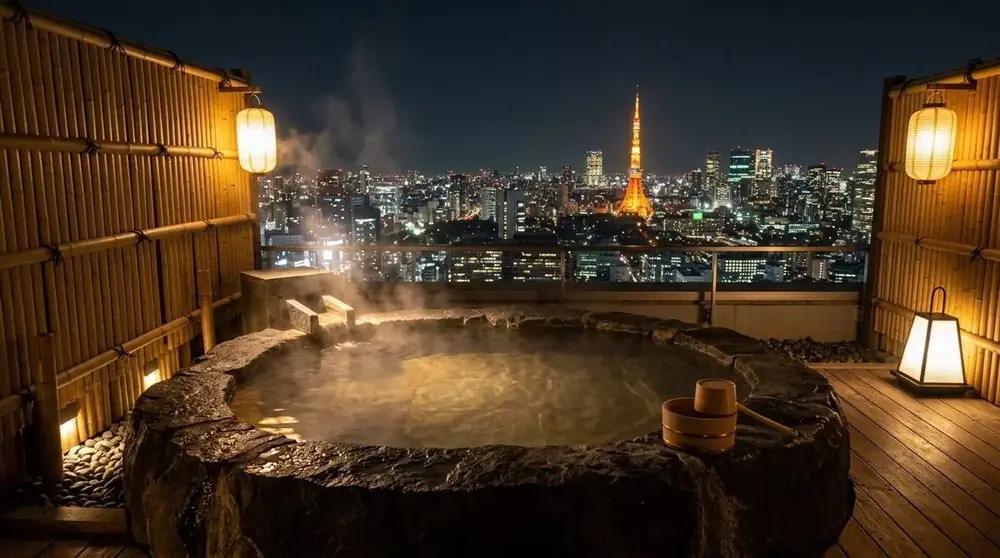
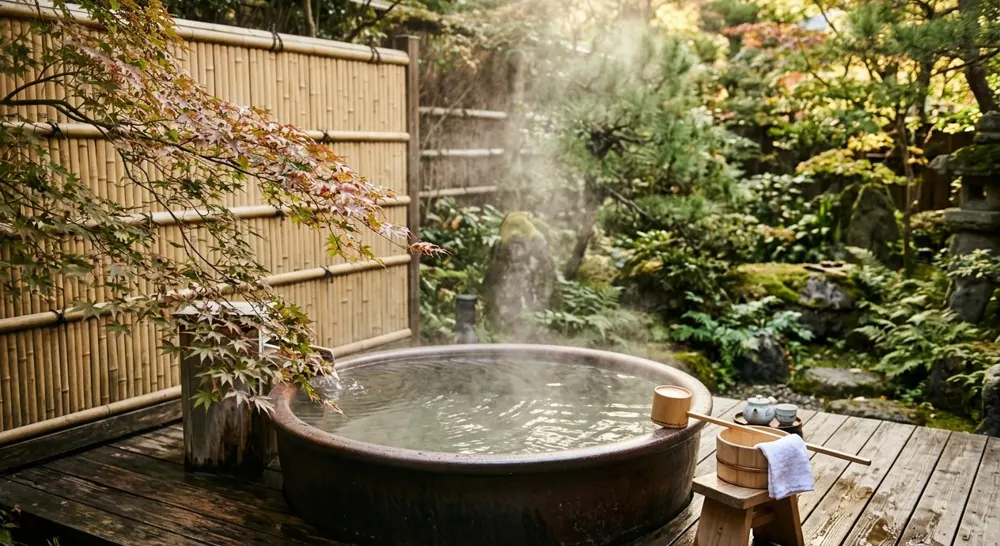
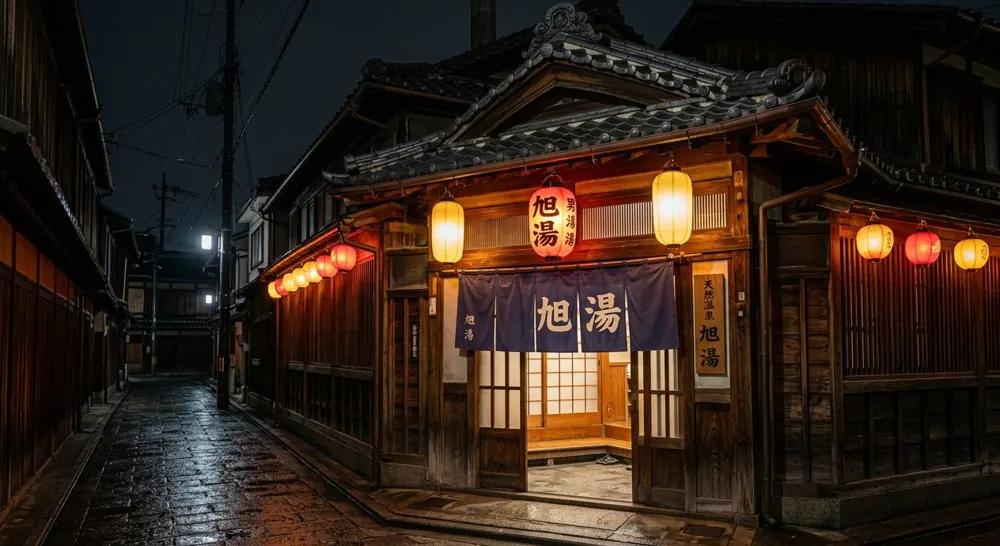
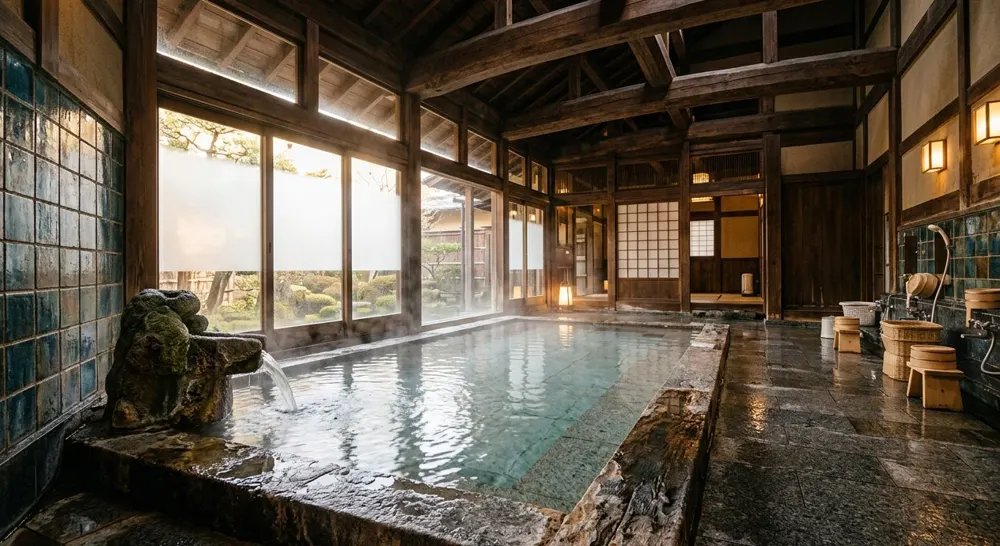
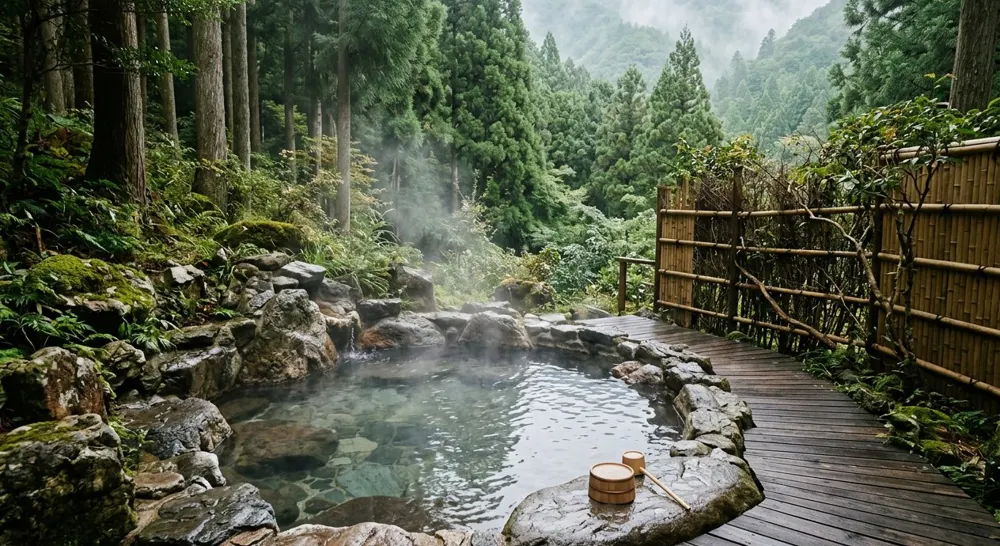
A hideaway day spa in a copse of trees near Jindaiji, Tokyo's second-oldest temple, and its soba-shop village. The blackish-brown 'kuroyu' sodium-chloride water from 1,500 m carries compounds from ancient plant matter, feels viscous on the skin and keeps you warm long after. The wooden bathhouse holds an indoor bath, a rock open-air bath, sauna and cold plunge, and an outdoor rest deck among seasonal greenery — more like a country inn than a big spa complex. Adults ¥1,080 on weekdays, ¥1,180 on weekends and holidays, with cheaper 30-minute and one-hour tickets. Open 10:00–22:00 (last entry 21:00), every day apart from inspection closures. A soba restaurant and rest room are on site — a fine finish to Jindaiji temple and the Jindai Botanical Garden. Free shuttle buses from Chōfu and Tsutsujigaoka stations.
- Price (adult)
- ¥1,080
- Hours
- 10:00–22:00 (last entry 21:00)
- Closed
- Open daily (closes for maintenance)
- Access
- Free shuttle bus (about 15 min) from Chōfu or Tsutsujigaoka Station (Keiō Line); or Keiō bus for Jindaiji from Chōfu north exit to 'Jindaiji', then 5 min on foot; about 10 min by car from Chōfu IC
- Water type
- Simple spring
- Tattoos
- Not allowed
- Admission
- Unlimited-time ticket adults ¥1,080 weekdays / ¥1,180 weekends, holidays & peak; children ¥650 / ¥750. Discounted 60-minute and after-21:00 night tickets. Weekday “sunset discount” after 17:00. Bedrock bath extra. Towel sets and lounge wear for hire
- Baths
- Storehouse-style timber building on an old-inn theme. Indoor main tub and sauna; outdoors a feng-shui rotenburo, cave bath, cast-iron goemon tub, waterfall-view bath, pot baths and hinoki tub — five or six kinds, laid out differently for men and women. Every night all tubs are drained and scrubbed and refilled with fresh spring water in the morning — hence no 24-hour opening
- Water
- Sodium chloride-bicarbonate spring (isotonic, mildly alkaline), 40.4 °C, pH 7.8, 180 L/min, ~9,000 mg/kg dissolved solids. Humic acid from 1,500 m down makes it jet-black — “one of Kanto’s finest kuroyu”, dark enough to stain a towel. Chlorine kept to a minimum
- Parking
- ~50 free spaces. Free shuttle from Chofu Station north exit and JR Musashi-sakai south exit (15-seat minibus, roughly every 30–60 min, first come first served)
- Phone
- 042-499-7777
- Official site
- yumorinosato.com ↗
- Open in Google Maps
- Google Maps ↗
Essentials
Stay in this onsen town
Compare and book stays in Tokyo City. Day bathing itself needs no booking.
Opens partner booking site (affiliate)
Why go
- Hidden 'black water' bath by Jindaiji temple
- Wooden bathhouse, rock open-air, rest deck
- Free shuttle from Chōfu; open daily
A hidden-spring-style bath of “Kanto’s finest black water” after visiting Jindaiji temple
Yumori-no-sato is a day spa in a residential corner of Chofu, western Tokyo, near the soba-famous old temple Jindaiji and the Jindai Botanical Garden. Built as a storehouse-style timber lodge on an old-inn theme, with feng-shui principles in its design, it scatters a cave bath, a cast-iron goemon tub, a waterfall bath and a hinoki tub among dense trees — more mountain hideaway than Tokyo. The water, a sodium chloride-bicarbonate spring rising at 180 L/min from 1,500 m, is so darkened by humic acid that it stains towels — “one of Kanto’s finest kuroyu”. Because every tub is drained nightly and refilled fresh each morning, it closes at 22:00. Eight minutes on foot after soba and a temple visit at Jindaiji, with free shuttles from Chofu and Musashi-sakai stations, it makes a fine half-day trip from Shibuya or Shinjuku.
Tips & cautions
- The free shuttle is a 15-seat minibus and fills up at weekends; the regular bus (route Cho-34 etc.) to “Jindaiji” then 6–8 min on foot is more reliable.
- Weekend mornings are quieter; crowds build in the afternoon. Weekday discount after 17:00.
- 60-minute and night tickets suit a short visit.
- Kuroyu stains towels — rent one.
- No tattoos (super-sento rules).
- Men’s and women’s baths differ (men’s centres on a large feng-shui rotenburo).
Getting there
Free shuttle ~10 min from the north exit of Chofu Station (Keio line), or Keio bus Cho-34 to “Jindaiji” then 6 min on foot — Jindaiji-motomachi 2-12-2, Chofu. Free shuttle ~15 min from the south exit of JR Musashi-sakai (Chuo line). Keio limited express Shinjuku→Chofu ~15 min. By car ~15 min from Chofu IC; 50 free spaces.
Before you go
- Tattoos are explicitly not allowed, even if covered.
- Last entry is 30–60 minutes before closing.
Features
Sauna & wellness
Mood & scenery
Price
Amenities
✔ Verified operating: 2026-09 Operating status and rates cross-checked against the official site and onsen guides (full source notes in Japanese on the JA page)
Prices and hours change. Check official sources before visiting.
More in this area

Toshimaen Niwa-no-Yu
An urban spa in front of Toshimaen Station, 20 minutes from Ikebukuro on the Seibu line. Natural hot-spring water drawn from 1,445 m feeds an open-air bath overlooking a Japanese garden, plus a swimsuit 'Bade' pool zone. Adults and teens only (junior high and up), so it stays quiet. Lounges, a restaurant and body care invite long weekday afternoons. No tattoos.

Maenohara Onsen Sayanoyudokoro
Eight minutes from Shimura-sakaue Station in Itabashi, one of Tokyo's most atmospheric super-sento, built around a Showa-era mansion and dry-landscape garden. Free-flowing olive-green spring water in the rotenburo, high-concentration carbonated bath, stone sauna and a soba restaurant. ¥970 weekdays, ¥1,300 weekends and holidays; open until midnight. No tattoos.

Kaiseiyu Onsen Bathhouse (Kamata)
Kamata, 15 minutes by train from Haneda Airport, has Tokyo's densest cluster of 'kuroyu' black-water springs. Kaiseiyu, founded in 1929, is the classic: a coffee-dark natural bicarbonate bath, a high-concentration carbonated pool and a cold plunge, with a goldfish aquarium set into the bath wall. ¥600; a toiletries-and-towel set is sold at the desk. Ideal before a flight or after a late arrival. Tattoos are fine, as in most sento.