Iwate · Matsukawa Onsen, Hachimantai
Tōshichi Onsen Saiunsō, Hachimantai (1,400 m)
藤七温泉 彩雲荘(八幡平・標高1,400m)
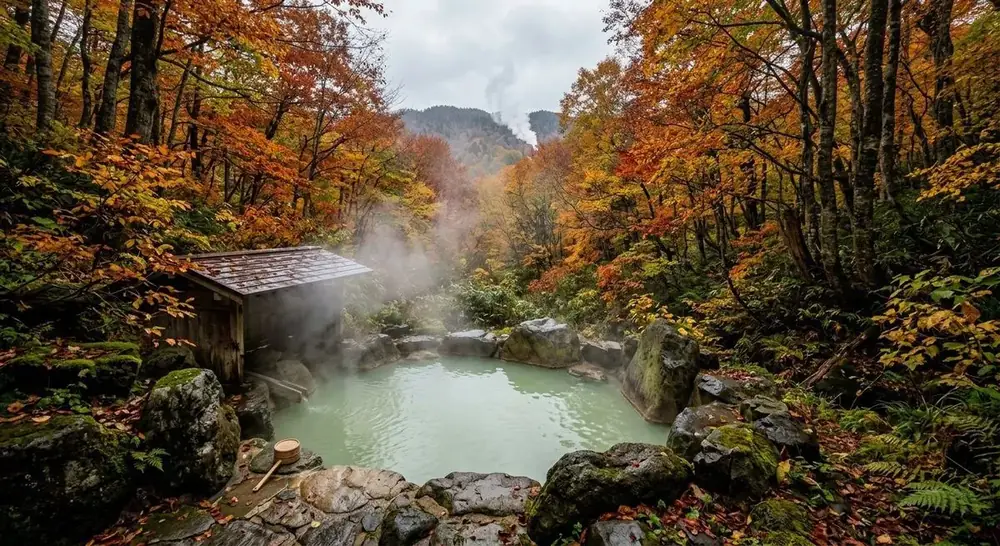
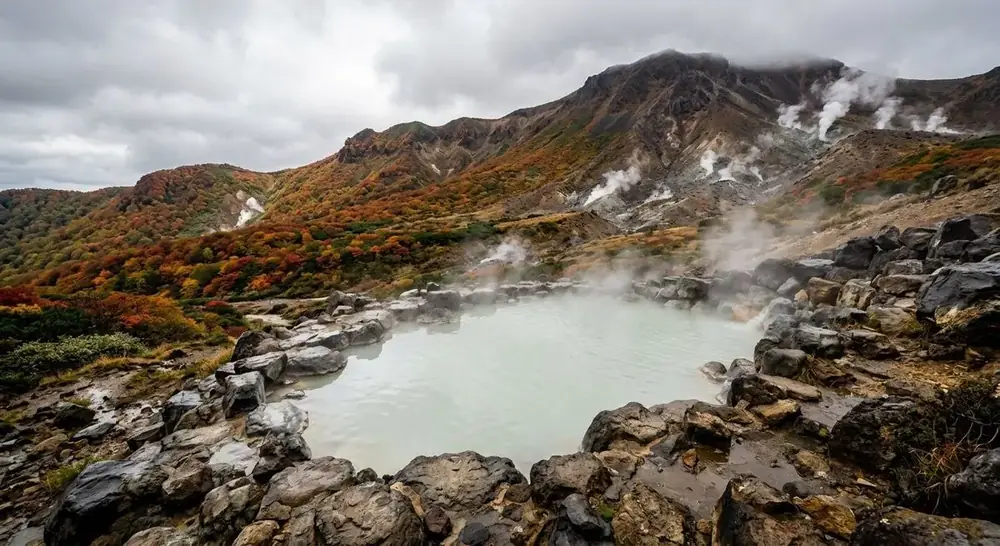
The highest hot-spring inn in Tōhoku, at 1,400 m near the top of the Hachimantai Aspite Line. It opens only from Golden Week to late October; in winter it is buried in snow. Five mixed open-air baths scattered down the slope (plus a women-only open-air bath and separate indoor baths) are fed by sulphur water bubbling up directly through the ground, milky white, and the trademark is smearing the mud from the bottom on your skin as a 'mud pack'. Below spread Mt Iwate and a sea of forest; at dawn, cloud seas and sunrise — truly a bath above the clouds. Simple sulphur water at temperatures from tepid to hot. Day bathing: adults ¥650, children ¥350, with a long 08:00–18:00 window, busy with hikers back from the Hachimantai summit trail. The open-air baths are mixed, so bathing garments and wrap towels are allowed. About 2 hours by bus from Morioka Station or 40 minutes by car from Matsuo-Hachimantai IC. Mobile reception is poor.
- Price (adult)
- ¥700
- Hours
- 08:00–17:00
- Closed
- Closed in winter (late Oct–late Apr); open daily in season
- Access
- Iwate Kenpoku 'Hachimantai nature' bus from JR Morioka Station, about 2 h to 'Tōshichi Onsen' (seasonal); about 40 min by car from Matsuo-Hachimantai IC via the Aspite Line
- Water type
- Sulfur spring
- Tattoos
- Ask ahead
- Admission
- Day bathing adults ¥700, elementary and under ¥350 (raised from ¥650 in 2025). With hall use ¥1,250. Bathing wear allowed (check rental/sale). Coin lockers. Cash recommended — mountain connectivity is unreliable. Overnight guests bathe 24 hours and have their own rotenburo
- Baths
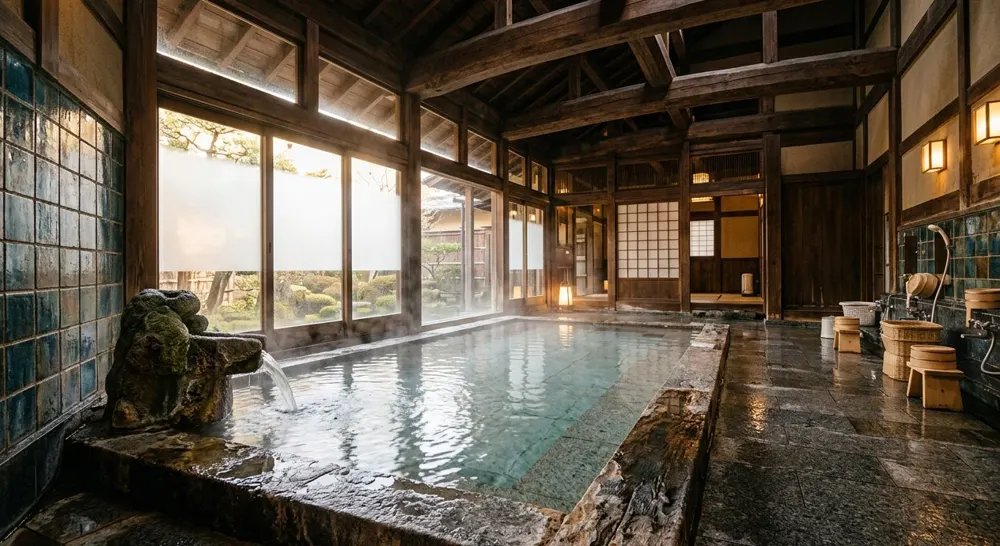
- At 1,400 m, the highest hot-spring inn in Tohoku (mountain-hut style, late April to late October only). Gender-separated indoor baths (the only place with wash stations and soap) and five or six terraced mixed rotenburo where the water wells up underfoot (the hot source is tempered with cold water), plus one women-only outdoor tub. The mixed baths are women-only 19:30–20:30. Mud from the tub floor is used for 'mud packs'. Guests-only rotenburo (sunrise views). Shop and dining. Views of Hachimantai and Mt Iwate
- Water
- Simple sulphur spring (acidic type), densely milky white with a sulphur smell; the outdoor tubs are fed from directly beneath your feet, so the water is as fresh as it gets. Because the source is hot, each tub is tempered with cold spring water and temperatures vary — pick one that suits. The grey mud on the floor is concentrated mineral and is smeared on as a pack. Indicated for neuralgia, joint pain, skin disease, diabetes and fatigue. Tarnishes silver; beware light-headedness at altitude
- Parking & access
- Free parking in front of the inn. Reachable only while the Hachimantai Aspite Line and Jukai Line are open (late April to early November), by car or the seasonal 'Hachimantai Nature Walk Bus' from Morioka Station (Toshichi Onsen stop). About 40 min from Matsuo-Hachimantai IC; 10 min by car from the Hachimantai summit car park. Night-time road closures after the first autumn snow
- Phone
- 090-1495-0950
- Official site
- toshichi.com ↗
- Open in Google Maps
- Google Maps ↗
Essentials
Find a stay on Trip.com
Search and book accommodation across Japan on Trip.com. Day-use bathing needs no booking.
Opens partner booking site (affiliate)
Why go
- 1,400 m: Tōhoku's highest baths, above the clouds
- Milky sulphur water rising underfoot; mud packs
- May–Oct only; ¥650; 8 am–6 pm
Tohoku's highest hot spring at 1,400 m, with terraced mixed baths
Toshichi Onsen Saiunso is the highest hot-spring inn in Tohoku, standing at about 1,400 m near the summit of Hachimantai in Towada-Hachimantai National Park, Hachimantai, Iwate. A lone, hut-like lodge open only from late April to late October while the Hachimantai Aspite and Jukai Lines are open, its great draw is a string of five or six mixed open-air tubs terraced down an unobstructed hillside. The dense, milky sulphur water wells straight up through the tub floors, and smearing on the grey mineral mud that settles there — the 'mud pack' — is a house speciality. Day bathing runs a generous 8 a.m. to 5 p.m. for ¥700, perfect after a walk or trek over Hachimantai.
Milky water from underfoot, mud packs, bathing wear welcome
Wash first in the gender-separated indoor baths — the only place with wash stations, soap and shampoo. Then step out to the mixed rotenburo, where tubs large and small descend the slope like rice terraces; each is fed by hot water welling up underfoot and 'roughly' tempered with cold water piped from a nearby spring, so temperatures vary — dip a hand and choose. The floor is slippery grey mud that swallows your feet, and that mud is the pack material: spread it on face and arms, rinse, and the skin is silky. Though mixed, bathing wear is permitted, there is one women-only tub, and from 19:30 to 20:30 the whole mixed area becomes women-only (mainly for overnight guests). On clear days you see the Hachimantai ridge and Mt Iwate; in fog, sulphur steam and mist merge into a dreamlike scene. At this altitude long soaks can make you dizzy, so take several short dips.
Season, prices and getting there
The season is late April to late October (tied to the road opening and varying by year), open daily in season and closed in winter. Day bathing is 8:00–17:00; as of 2025 adults pay ¥700 and elementary children ¥350 (formerly ¥650), or ¥1,250 with use of the hall. Cards and connectivity are unreliable on the mountain, so carry cash, and bring your own towel and bathing wear to be safe. Access is via the Hachimantai Aspite and Jukai Lines — about 40 minutes from Matsuo-Hachimantai IC, 10 from the summit car park — and the seasonal 'Hachimantai Nature Walk Bus' from Morioka Station stops here. After the first autumn snow the road closes at night, so head down in good time. Pair it with the hour-long marsh walk on the Hachimantai summit or the 'Dragon Eye' snowmelt pattern on Kagaminuma pond (late May to early June) for a perfect day.
Before you go
- No official tattoo policy is published — ask at reception.
- There is a mixed-gender area. Check the description for bathing garments and women-only hours.
- Ryokan day-use hours are limited and may be suspended in peak season — phone the same morning.
- Payment is usually by ticket machine in cash — bring coins.
- Last entry is 30–60 minutes before closing.
Features
Mood & scenery
Price
Who with
Convenience
Amenities
✔ Verified operating: 2026-09 Operating status and rates cross-checked against the official site and onsen guides (full source notes in Japanese on the JA page)
Prices and hours change. Check official sources before visiting.
More in this area

Osawa Onsen Jisuibu Tojiya
A wooden toji (therapeutic stay) inn over 200 years old on the Toyosawa River in the Hanamaki-Minami onsen area, once frequented by poet Kenji Miyazawa. Its signature is 'Osawa-no-yu', a mixed open-air bath jutting over the river, with women-only hours. Day bathing from 7 am; ¥700 covers three baths. Many linger for lunch and sake at the 'Yahagi' dining room. Free shuttle from Hanamaki Station.

Namari Onsen Fujisan Ryokan
A wooden ryokan founded in 1841 on the Toyosawa River at the far end of the Hanamaki onsen villages. Its signature is 'Hakuen-no-yu', a self-welling rock pool about 1.25 m deep that you stand in — billed as Japan's deepest rock bath. Five springs feed four bathhouses, all 100% free-flowing. Day use ¥800, 10:00–21:00. Hakuen-no-yu is mixed bathing with women-only hours. Free shuttle from Hanamaki Station by reservation.

Oshuku Onsen Hotel Uguisu
Fifty minutes by bus from Morioka, a family-run hotel in Oshuku Onsen, a 450-year-old spa where legend says a bush warbler healed its wounds. The area is rich in hot water, and the clear alkaline spring flows freely into the indoor and open-air baths — day use just ¥600, 11:00–19:00, half price on the 26th of each month. Easy to add after Koiwai Farm, Shizukuishi ski slopes or Morioka sightseeing.