Saga · Takeo OnsenTattoos: Ask ahead
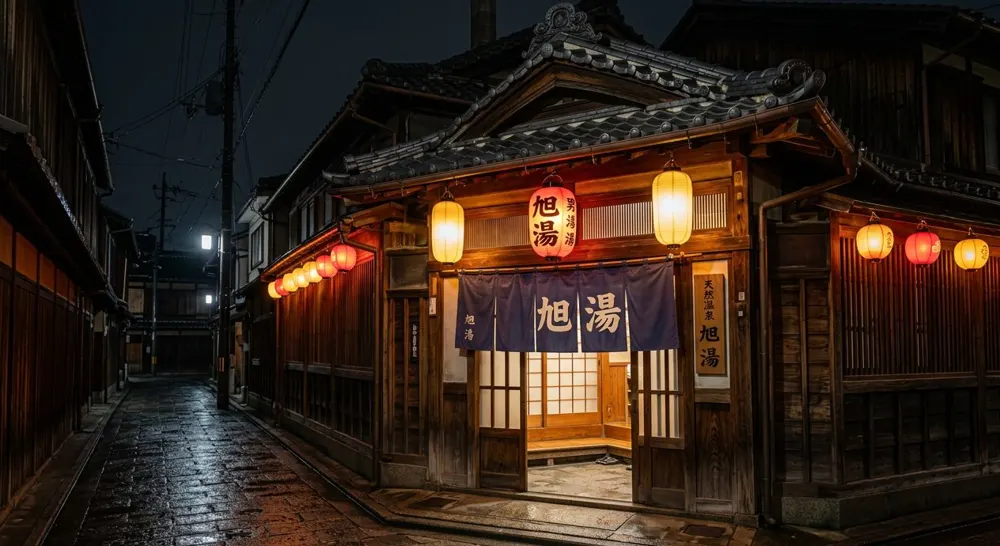
Takeo Onsen Sagi-no-Yu Public Bath
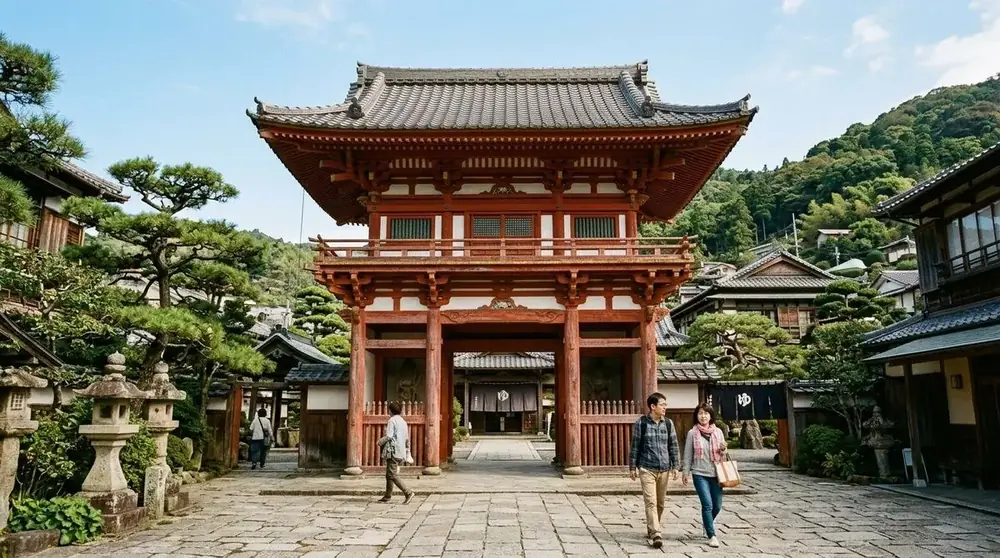
Takeo Onsen is famous for its vermilion gate, a National Important Cultural Property designed by Tatsuno Kingo, architect of Tokyo Station. Beyond the gate lie three public baths – Motoyu, Hōraiyu and Sagi-no-Yu – plus the private Tonosama-yu and Karō-yu, and Sagi-no-Yu is the only one with an open-air bath and sauna. Named for the legend of a white heron (sagi) healing its wounds here, its clear, refreshing mildly alkaline simple spring leaves skin smooth. Alongside the stone indoor bath are a rock-lined outdoor tub, a hot sauna, cold plunge and rest room, and generous hours from 6:30 in the morning to midnight (last entry 23:00) suit travellers. Adults pay ¥740 and children from 3 to elementary age ¥370; open daily except a maintenance break in mid-December. Soap and shampoo are provided, towels sold. About 12 minutes on foot from Takeo-Onsen Station on the Nishi-Kyūshū Shinkansen – a base for Takeo City Library, Mifuneyama Rakuen garden and nearby Ureshino Onsen.
Public bathhouse (sento)Day-trip onsenDay use ¥740