Saga · Takeo Onsen
Takeo Onsen Sagi-no-Yu Public Bath
武雄温泉 大衆浴場 鷺乃湯
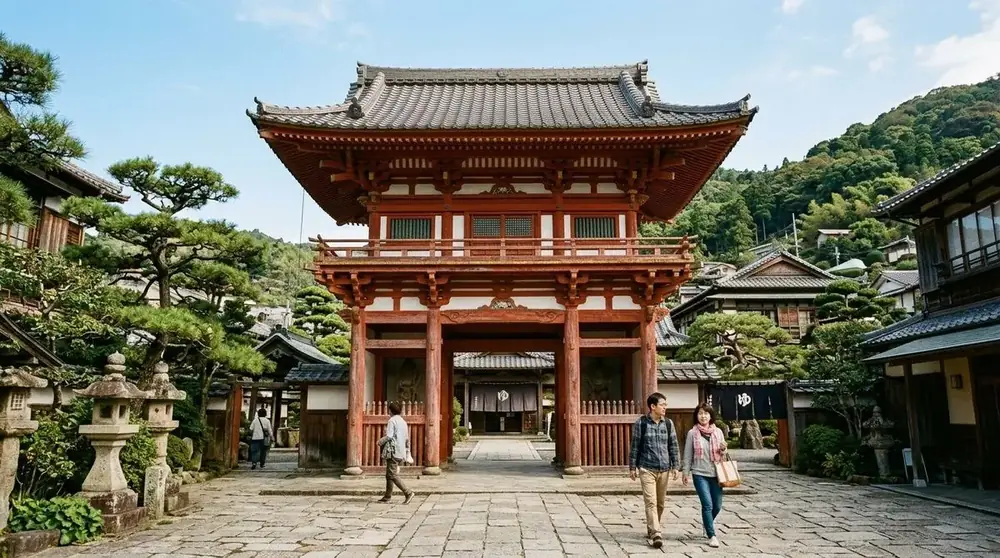
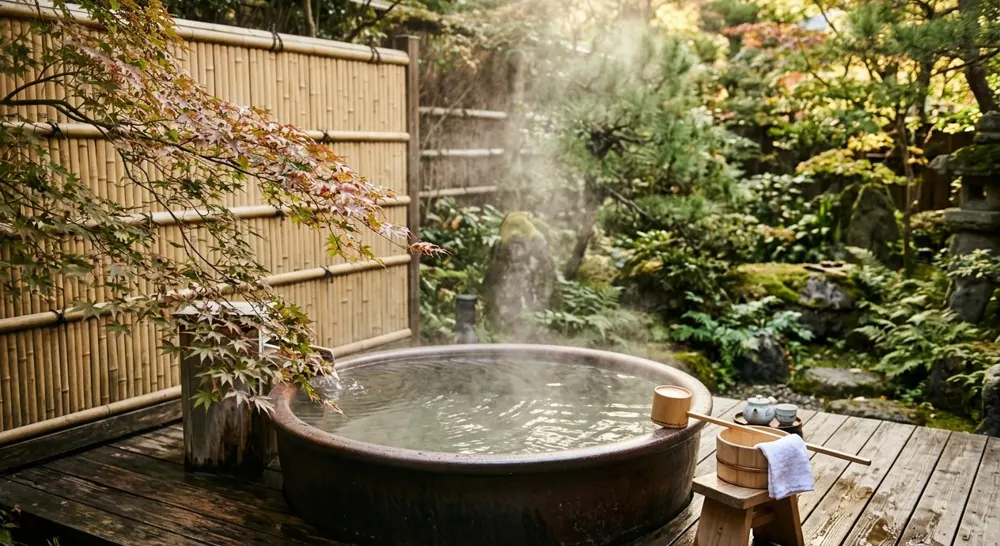
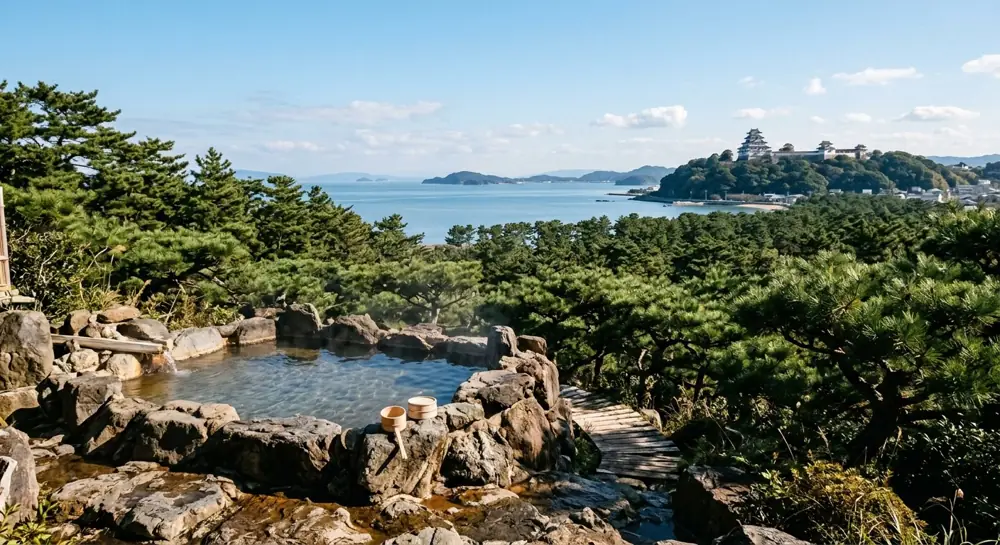
Takeo Onsen is famous for its vermilion gate, a National Important Cultural Property designed by Tatsuno Kingo, architect of Tokyo Station. Beyond the gate lie three public baths – Motoyu, Hōraiyu and Sagi-no-Yu – plus the private Tonosama-yu and Karō-yu, and Sagi-no-Yu is the only one with an open-air bath and sauna. Named for the legend of a white heron (sagi) healing its wounds here, its clear, refreshing mildly alkaline simple spring leaves skin smooth. Alongside the stone indoor bath are a rock-lined outdoor tub, a hot sauna, cold plunge and rest room, and generous hours from 6:30 in the morning to midnight (last entry 23:00) suit travellers. Adults pay ¥740 and children from 3 to elementary age ¥370; open daily except a maintenance break in mid-December. Soap and shampoo are provided, towels sold. About 12 minutes on foot from Takeo-Onsen Station on the Nishi-Kyūshū Shinkansen – a base for Takeo City Library, Mifuneyama Rakuen garden and nearby Ureshino Onsen.
- Price (adult)
- ¥740
- Hours
- 06:30–23:45 (last entry 23:00)
- Closed
- Open daily (maintenance closure in mid-December)
- Access
- About 12 min on foot from Takeo-Onsen Station (Nishi-Kyūshū Shinkansen / JR Sasebo Line); about 10 min by car from Takeo-Kitagata IC on the Nagasaki Expressway; about 50 min by car from Saga Airport
- Water type
- Alkaline simple
- Tattoos
- Ask ahead
- Admission
- Adults ¥740 / children (3 to elementary) ¥370 — dearer than Motoyu and Horai-yu (¥500 each) but with rotenburo and sauna. Soap and shampoo provided; towels sold. Free for guests of the adjoining no-meals inn “Romontei”
- Baths
- Inside the Romontei building; men’s bath on the 2nd floor. Gender-separated indoor bath (large tub) plus a rotenburo (on the hot side), sauna and cold plunge. Modern, clean interior in contrast to the retro Motoyu and Horai-yu. Rest space available
- Water
- Alkaline simple spring — Takeo’s signature clear, viscous “beauty water”; skin feels silky the moment you enter. Free-flowing (diluted). Indicated for neuralgia, muscle pain, fatigue
- Parking
- 100 free spaces (shared, in front of the Romon gate). 10–15 min on foot from Takeo-Onsen Station
- Phone
- 0954-23-2001
- Official site
- takeo-kk.net ↗
- Open in Google Maps
- Google Maps ↗
Essentials
Find a stay on Trip.com
Search and book accommodation across Japan on Trip.com. Day-use bathing needs no booking.
Opens partner booking site (affiliate)
Why go
- Behind Tatsuno's famed gate; the only bath with rotenburo & sauna
- Mildly alkaline 'white heron' spring for smooth skin
- ¥740; 6:30–24:00 daily; 12 min from Takeo-Onsen Station
The only one of Takeo’s six baths with a rotenburo and sauna — the ¥740 “facilities” choice
Sagi-no-yu is one of the six baths in the compound behind Takeo’s Romon gate. Where the 1876 timber Motoyu and the tiled Horai-yu are “retro communal baths”, this is the “facilities” option — a fresh, clean interior with a rotenburo, sauna and cold plunge. The name comes from Takeo’s founding legend: Empress Jingu is said to have discovered the spring on seeing a white heron (sagi) heal its wounds in it. The water is Takeo’s usual alkaline simple spring, clear yet viscous, wrapping the skin so it feels silky the instant you enter. The rotenburo runs hot; the indoor tub is roomy and relaxed. At ¥740 it costs more than Motoyu’s ¥500, but reviewers agree that “with this water plus a rotenburo and sauna, it’s cheap”, and hours from 06:30 to 23:45 mean you can drop in late after arriving by Shinkansen. Guests at the adjoining no-frills inn Romontei bathe free. The classic Takeo half-day: a short hot dip at Motoyu, then finish with the rotenburo and sauna here — or add the all-marble private Tonosama-yu.
Tips & cautions
- Men’s bath is upstairs (stairs) — note for elderly bathers. No men/women swap.
- The rotenburo is hot — try sauna → cold plunge → rotenburo.
- Tickets from the shared booth by the gate; no combo discount with Motoyu, so plan your time.
- Quieter late in the evening (after 21:00) — good after a Shinkansen arrival.
- Check the mid-December maintenance closure.
- Tattoo policy unconfirmed — phone ahead (0954-23-2001).
Getting there
10–15 min on foot from the north exit of JR Takeo-Onsen Station, in the Romontei building inside the gate (Takeo 7425, Takeo-cho, Takeo). ~1 h 10 min from Hakata. By car ~10 min from Takeo-Kitagata IC; 100 free spaces. Tel. 0954-23-2001.
Before you go
- No official tattoo policy is published — ask at reception.
- Payment is usually by ticket machine in cash — bring coins.
- Last entry is 30–60 minutes before closing.
Features
Sauna & wellness
Mood & scenery
Convenience
Price
Only here
Amenities
✔ Verified operating: 2026-09 Operating status and rates cross-checked against the official site and onsen guides (full source notes in Japanese on the JA page)
Prices and hours change. Check official sources before visiting.
More in this area

Takeo Onsen Motoyu
Beyond the vermilion gate (a National Important Cultural Property) stands one of Japan's oldest surviving wooden bathhouses, built in 1876. Open from 6:30 am until late, ¥500.

Ureshino Siebold-no-yu public bath
A Gothic-style public bath recreating the Taishō-era 'Koyu Onsen'. Ureshino's silky bicarbonate water — one of Japan's 'three great skin-beautifying springs' — for ¥450, 6 am to 10 pm. Tatami rest room upstairs and private baths (¥2,500/50 min).

Ureshino Gensen Hyakunen-no-yu
One minute from the Ureshino bus centre, the only day-spa in town with its own source (formerly Motoyu Onsen). Silky bicarbonate water — one of Japan's 'three great beauty baths' — in a large indoor bath, open-air pool and sauna. Many family baths (from ¥1,800/50 min + entry). Open 9 am–10 pm.