Wakura Onsen Sōyu
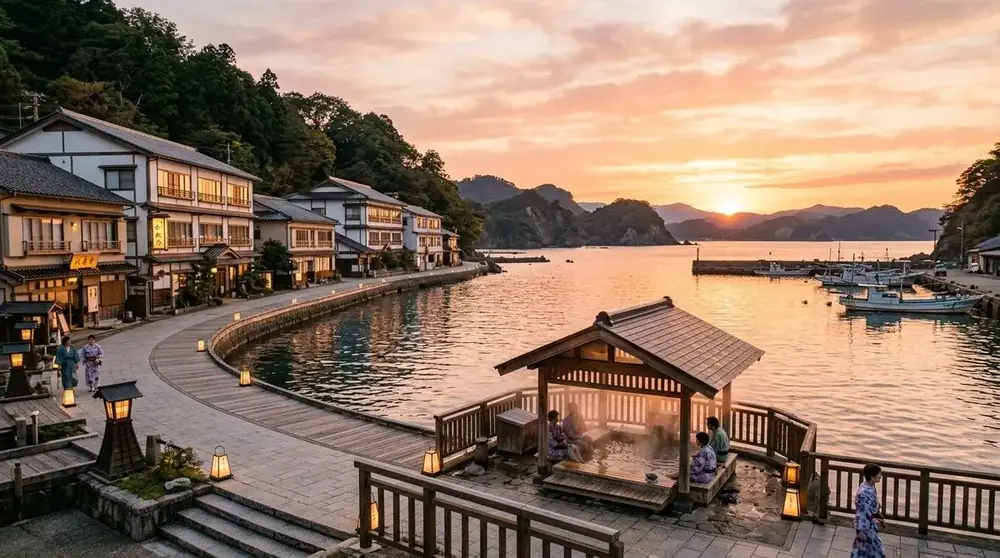
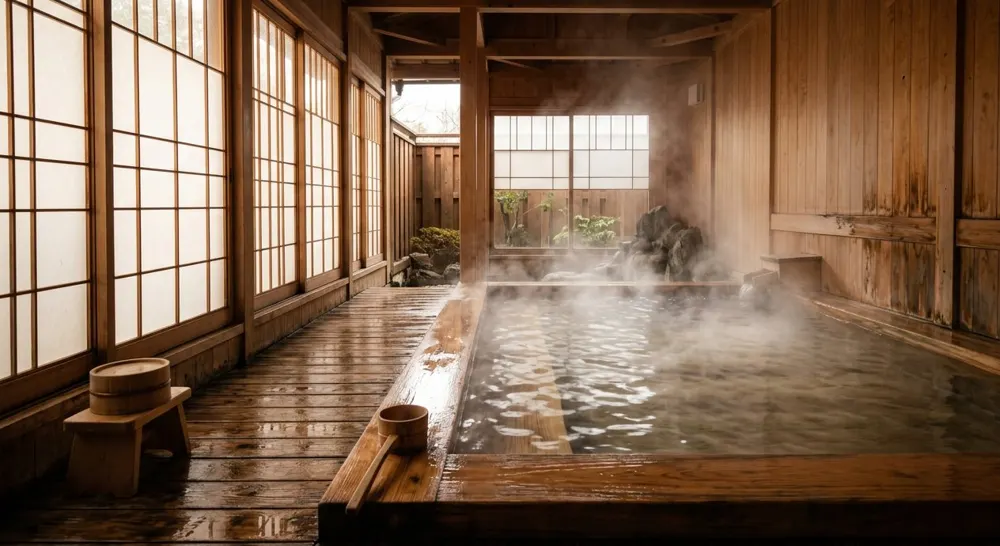
Salty water rising from the Noto sea, for ¥500. The community anchor of the onsen town, still operating after the 2024 Noto earthquake. Open-air and indoor baths plus a rest area.
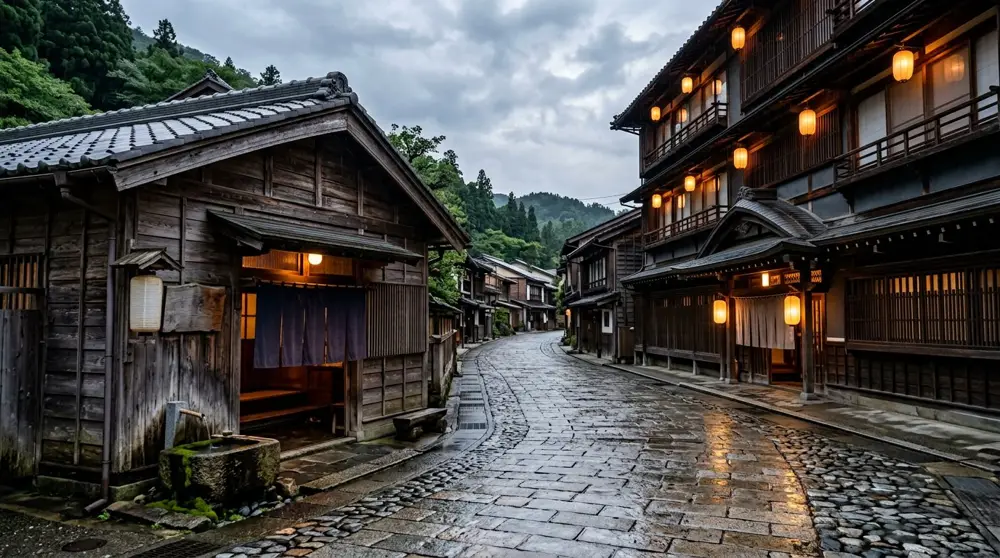
A faithful reconstruction of the Meiji-era public bath, with stained glass and Kutani-ware tiles. No washing stations — you simply soak, the old way. The combined ticket with the adjacent Sōyu is the better deal.
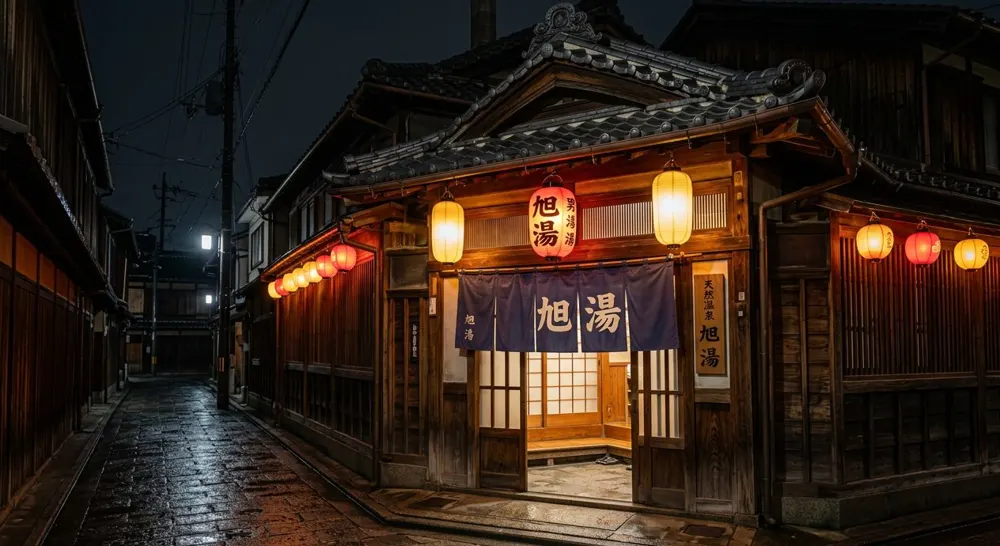
The communal 'sōyu' of Yamanaka, praised by the poet Bashō as one of Japan's three finest baths. Men's and women's halls stand in separate buildings across the street; the deep, hot (~43°C) pool is the signature. 6:45 am to 10 pm, ¥500. Bring your own soap.
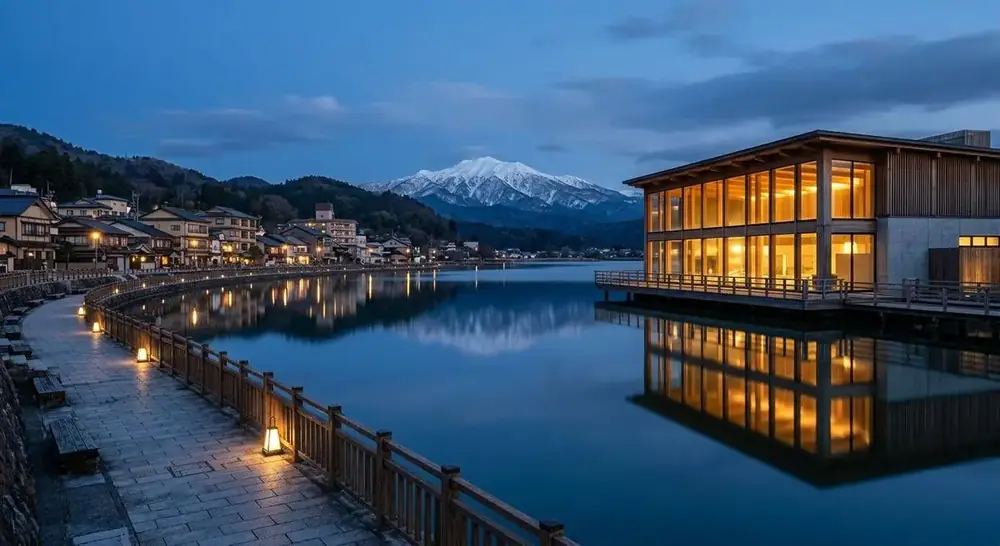
An all-glass communal bath on the shore of Lake Shibayama in Katayamazu, part of the Kaga onsen cluster, designed by architect Yoshio Taniguchi. The lake-facing 'Kata-no-yu' and garden-facing 'Mori-no-yu' swap between men and women on odd and even days; for ¥500 you get the Hakusan peaks and the lake to yourself. The salty chloride water keeps you warm long after. Open from 6:00 to 22:00, with a café upstairs (closed Thursdays) selling onsen eggs. About 10 min by bus from Kaga-Onsen Station.
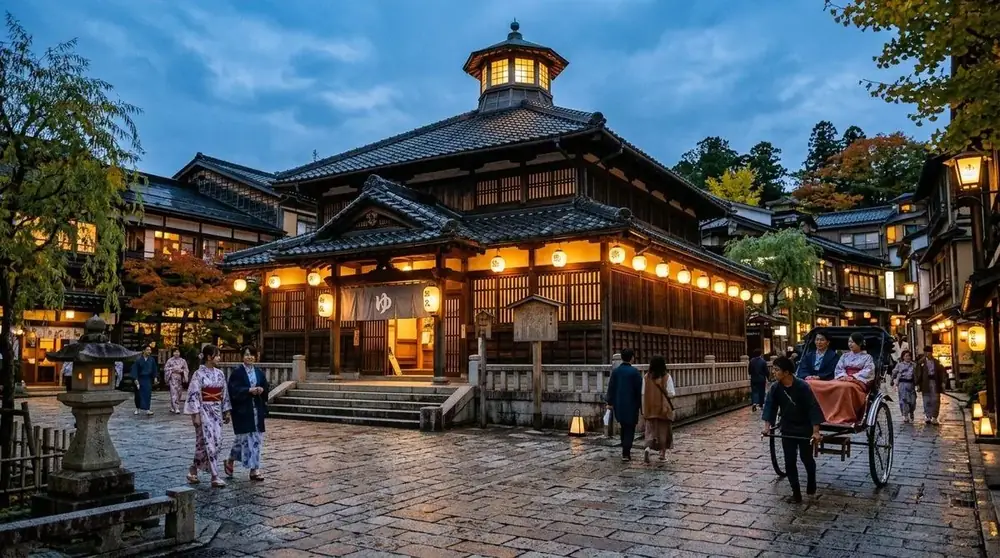
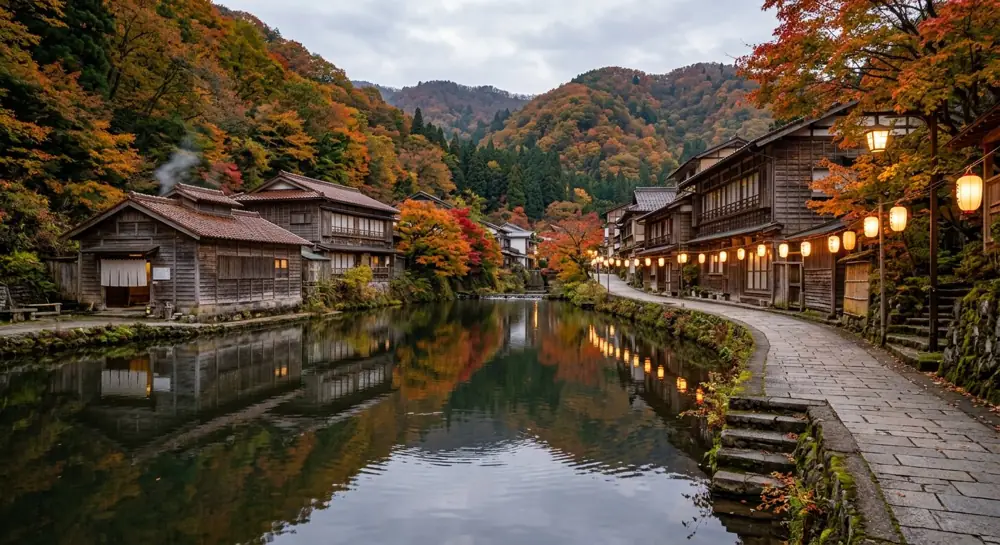
The public bathhouse at the heart of Yamashiro Onsen's 'Yu-no-gawa' square in the Kaga hot-spring region, a spa 1,300 years old. In Kaga communal baths are called 'sōyu', and even ryokan guests walk over in yukata. The entrance reuses the gate of the old Yoshinoya inn; inside is spacious and clean, with one big tub of fresh undiluted water (sodium-calcium sulphate-chloride) flowing freely. Adults ¥500, open 06:00–22:00, closed only on the morning of the 4th Wednesday. A ¥900 combined ticket includes the 'Ko-sōyu' opposite (¥700), a recreation of the Meiji-era bathhouse with Kutani-ware tiles and stained glass — comparing the two is the classic plan. Soap and shampoo are sold, not provided. About 10 minutes by bus from Kaga-Onsen Station.
The communal bath at the centre of Yuwaku Onsen, Kanazawa's 'back parlour', about 50 minutes by bus from Kanazawa Station. The spa dates back 1,300 years, prospered as the cure resort of the Kaga lords, and is remembered as where the Taishō-era artist Takehisa Yumeji stayed with his lover; the name comes from a legend of an egret healing its wounds here. Inside, the wood-rich building is calm, with clear, smooth sodium-calcium-chloride water served fairly hot in a simple bathroom (no open-air bath or sauna). Cheap at ¥490 for adults and ¥130 for children, and open 07:00–22:00, it suits a bath-hopping circuit from the ryokan or a finish to a Kanazawa day. Closed the third Thursday (plus occasional days). Combine with the Gyokusen Lake path, the Yumeji museum and the inns' restaurants. Known as the setting of the anime 'Hanasaku Iroha', the village holds the Bonbori lantern festival in October. About 30 minutes by car from Kanazawa-Morimoto IC; parking is limited.
The communal bathhouse at the heart of Awazu Onsen in Komatsu, Hokuriku's oldest spa, said to have been founded in 718 by the priest Taichō. It stands opposite Hōshi, known as the world's oldest inn, and makes a fitting finale to a tour of the four sōyu public baths of the Kaga spa region (Yamanaka, Yamashiro, Katayamazu and Awazu). The clear, silky sodium sulfate-chloride water (mildly alkaline, high-temperature) runs hot, and soaking shoulder to shoulder with locals warms you to the core. There is no open-air bath or sauna – just an indoor pool – but that simplicity lets the water speak for itself. Adults pay ¥500, elementary pupils ¥150 and infants ¥70; open 8:00–22:00 (last entry 21:30), closed Tuesdays, parking for 10 cars. From JR Awazu Station take the Komatsu Bus for Awazu Onsen to Awazu-Onsen Kitaguchi and walk 2 minutes, or drive about 15 minutes from Kaga IC on the Hokuriku Expressway. Combine with Natadera temple, Yunokuni-no-Mori craft village and Komatsu's aviation museum.