Hyōgo · Kinosaki Onsen
Kō-no-Yu (Kinosaki Onsen Sotoyu)
鴻の湯(城崎温泉 外湯)
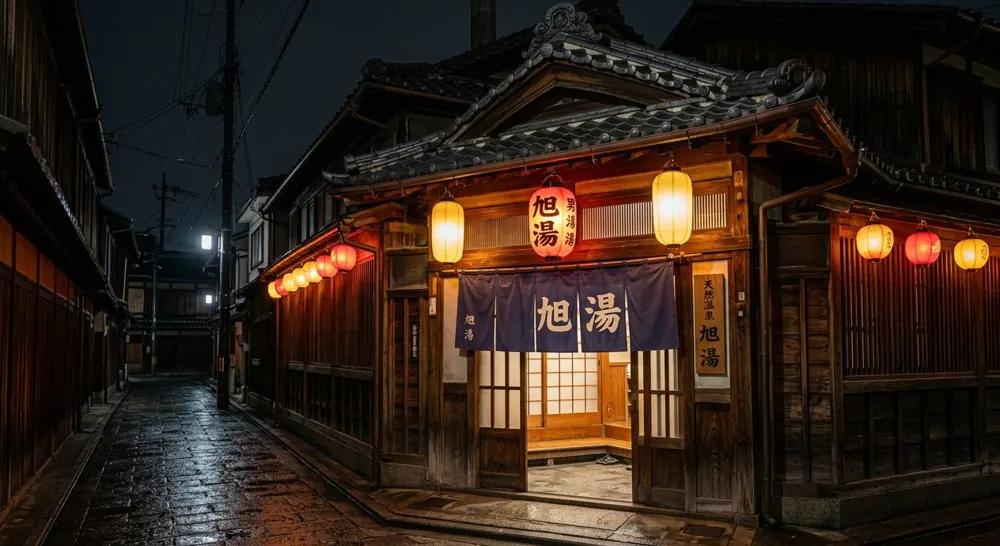
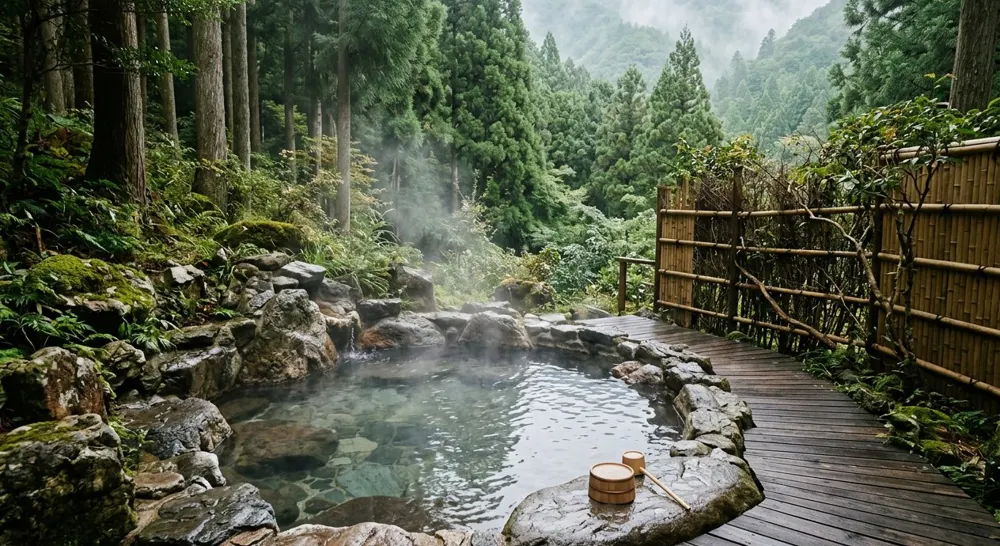
The oldest of the seven sotoyu public baths of Kinosaki Onsen, said to be the spa's earliest spring. Its name comes from the legend that 1,400 years ago a wounded stork healed its leg here, and it has a garden rotenburo. Adults ¥800, children ¥400, 7:00–23:00 (last entry 22:40), closed Tuesdays (open on holidays). 20 minutes on foot from JR Kinosaki-Onsen Station, at the far end of the spa street in front of the ropeway, with the first hour of parking free. Note: closed for renovation from 11 May to 30 October 2026, due to reopen 31 October.
- Price (adult)
- ¥800
- Hours
- 07:00–23:00 (last entry 22:40)
- Closed
- Tuesdays (open on holidays) – closed for renovation until 30 October 2026
- Access
- 20 minutes on foot from Kinosaki-Onsen Station on the JR San'in Line (in front of the Kinosaki Onsen ropeway)
- Water type
- Simple spring
- Tattoos
- Allowed
- Admission
- Adults ¥800, children of elementary age or younger ¥400. The sotoyu pass 'Yumepa' costs ¥800 for three baths or ¥1,300 for a day (valid same day), so a day pass pays off from the second bath. Towels are sold or rented. Cash is the norm, so bring coins.
- Spring water
- A sodium-calcium chloride spring. Kinosaki runs a single-source system that blends its springs and pipes the same water to the whole town, so all seven sotoyu share one water. Clear with a faint salt taste and strong heat retention.
- Baths
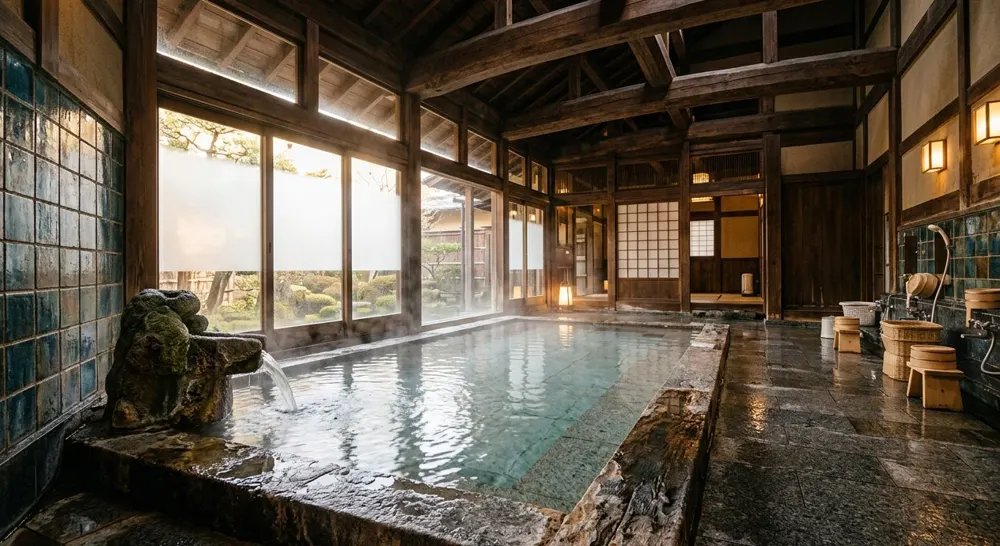
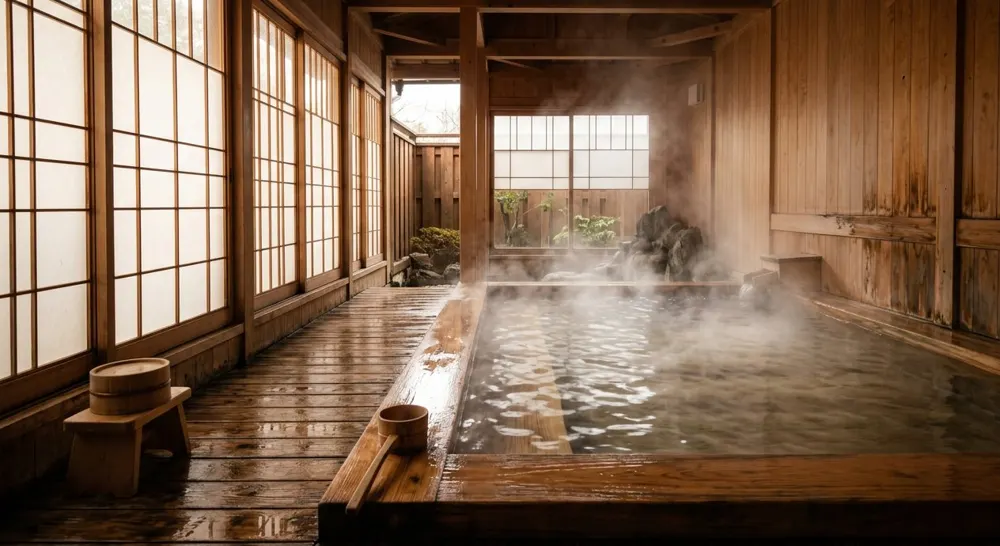
- A calm, modest bathhouse with a garden rotenburo and an indoor bath. Of the sotoyu it sits furthest from the station, so it tends to be quieter and is often the last stop on a yukata bath crawl. Toiletries and dryers provided.
- Closures
- Closed for renovation from 11 May to 30 October 2026, due to reopen on 31 October. Plan a five-bath round during that period at Ichinoyu, Mandarayu, Goshonoyu, Jizoyu and Yanagiyu (Satono-yu has also been closed since March 2024).
- Access & parking
- 20 minutes on foot from JR Kinosaki-Onsen Station, in front of the Kinosaki Onsen ropeway (Mount Taishi) at the far end of the spa street — the most distant of the sotoyu. Parking for 19 cars, first hour free then ¥100 per 30 minutes. Parking in the paid lots in the centre and walking over is easier.
- Phone
- 0796-32-2195
- Official site
- city.toyooka.lg.jp ↗
- Open in Google Maps
- Google Maps ↗
Essentials
Stay in this onsen town
Compare and book stays in Kinosaki Onsen. Day bathing itself needs no booking.
Opens partner booking site (affiliate)
Why go
- Kinosaki's oldest bath and its stork legend
- A quiet bathhouse with a small garden rotenburo and an indoor tub
- One-day 'Yumepa' pass ¥1,300 for all seven sotoyu
Kinosaki's oldest sotoyu, where a stork healed its wound
A stork appears in the founding legend of Kinosaki Onsen: some 1,400 years ago a wounded stork healed its leg in warm water in a paddy field, and when the spot was dug, hot water rose. Kō-no-Yu carries that legend in its name and is said to be the oldest of Kinosaki's sotoyu. It sits a little way up from the centre of the spa street toward the ropeway, away from the busiest stretch, so you can soak quietly. In the garden rotenburo you can linger over the plantings and stonework through the seasons. It opens at 7:00 for morning bathing and stays open until 23:00 (last entry 22:40), which also suits the end of an evening round.
Closed for renovation in 2026: plan a five-bath round
Kō-no-Yu is closed for renovation from 11 May to 30 October 2026 and is due to reopen on 31 October, so a visit in that window means re-planning the route. Kinosaki has seven sotoyu, but Satono-yu has been closed since late March 2024, leaving five open during the works: Ichinoyu, Mandarayu, Goshonoyu, Jizoyu and Yanagiyu. The ¥1,300 day pass covers all five, so the route is in fact simpler. Some of Ichinoyu, Mandarayu and Yanagiyu do not open until 15:00, so starting the morning at Jizoyu and Goshonoyu is easier. Confirm the closure with the tourist association or the city site before you go.
A garden rotenburo, and why it is a 20-minute walk
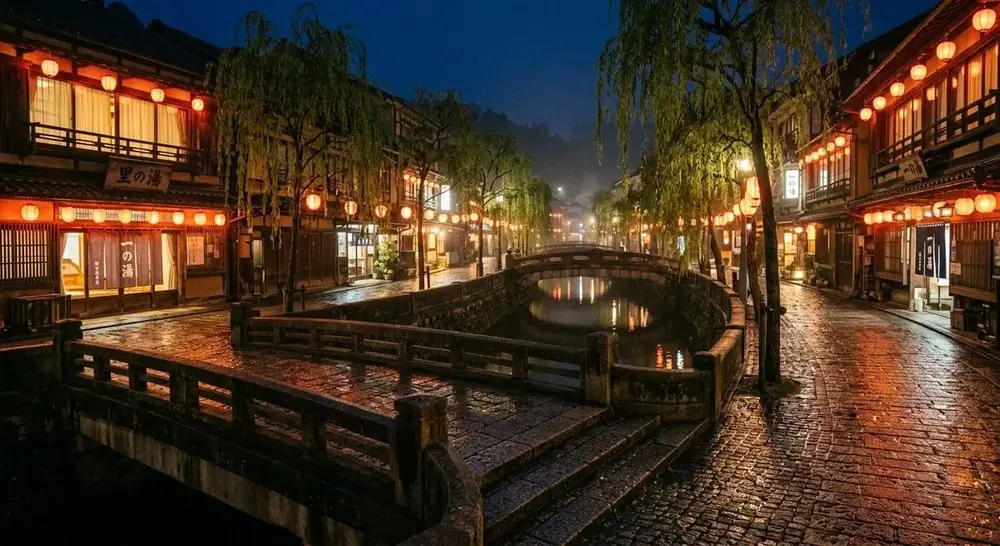
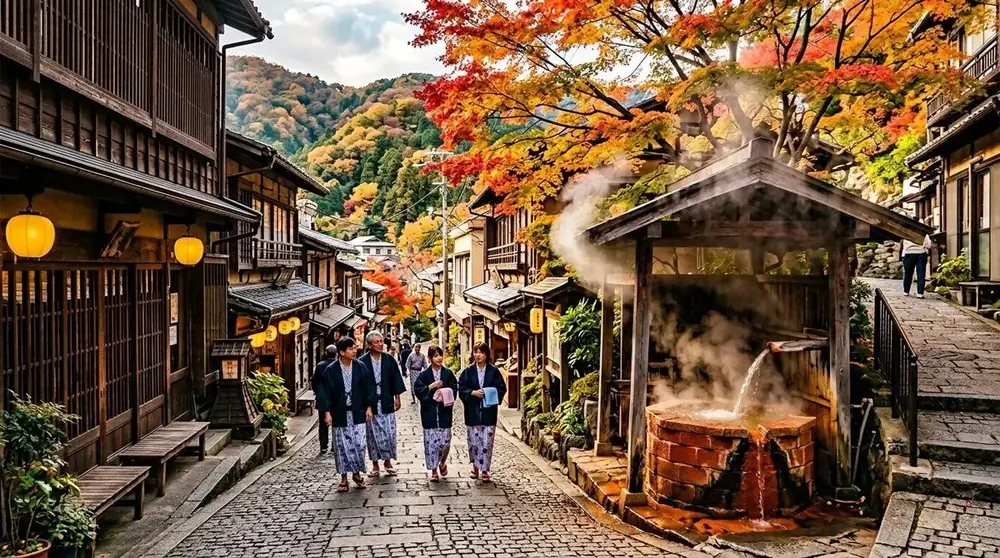
Of the sotoyu, Kō-no-Yu is the furthest from the station, so getting there takes a little effort. In return it stays comparatively relaxed even when the bath crawl is at its busiest, and you get the quieter feel of the far end of the spa street. From the station it is about 20 minutes along the main street among people in yukata. It also fits neatly into a route that takes the ropeway up to the Mount Taishi viewpoint for a view over Kinosaki on the way down. By car there are only 19 spaces (first hour free, then ¥100 per 30 minutes), so the paid lots in the centre of the street are the safer choice.
Before you go
- Payment is usually by ticket machine in cash — bring coins.
- Last entry is 30–60 minutes before closing.
Features
Mood & scenery
Only here
Price
Convenience
Amenities
✔ Verified operating: 2026-10 Operating status and rates cross-checked against the official site and onsen guides (full source notes in Japanese on the JA page)
Prices and hours change. Check official sources before visiting.
More in this area

Gosho-no-Yu (Kinosaki outer bath)
The most popular of Kinosaki's seven public baths. In a building modeled on the Kyoto Imperial Palace, a waterfall rotenburo faces the hillside and a glass-roofed 'sky bath' sits indoors, all renovated in 2020. Overnight guests get free entry with the 'Yumepa' pass, so evenings are busy with yukata-clad bathers — go at 7 am when it opens.

Kin-no-Yu
The public bathhouse of Arima, one of Japan's three oldest hot springs. For ¥800 you can soak in the 'kinsen' — iron- and salt-rich water that turns rusty brown on contact with air, in pools at 42°C and 44°C. Under an hour by train from Kobe or Osaka, so an easy day trip. Free foot bath and drinking fountain outside. No tattoos.

Ichi-no-Yu (Kinosaki outer bath)
Kinosaki's flagship outer bath, praised as 'the best under heaven' by an Edo-period physician. Its cave bath carved into rock is the draw; the kabuki-theatre-style building is the town's landmark.