Aomori · Nuruyu Onsen (Kuroishi)
Nuruyu Onsen Sanzokukan
温湯温泉 山賊館
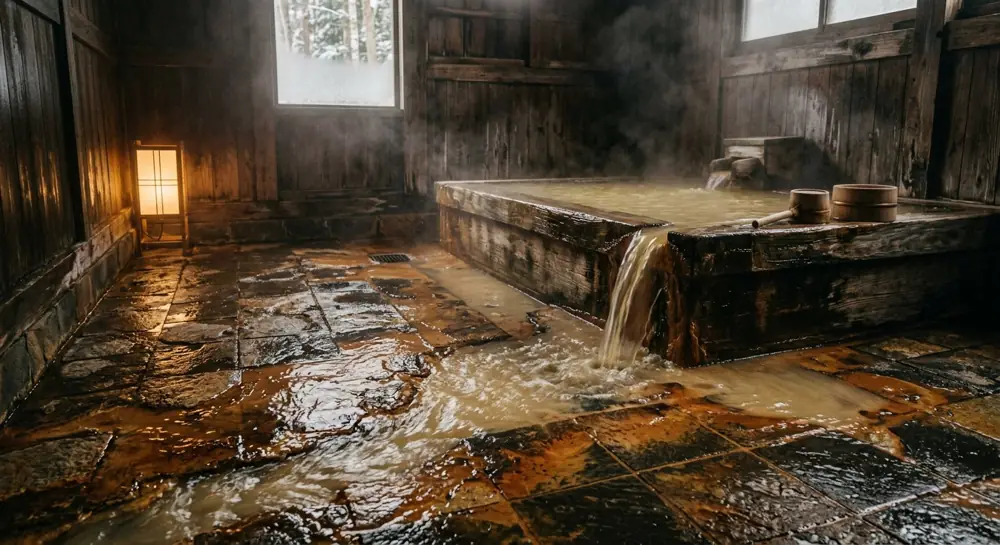
A nine-room family-run inn in Nuruyu Onsen, Kuroishi, Aomori, opened in the Meiji era. Its signature is a spout shaped like a bandit's face, and the free-flowing natural-spring indoor bath overlooks the Asaseishi River. The communal bath Tsuru no Meiyu is right across the way, and day bathing is a bargain at 250 yen.
- Price (adult)
- ¥250
- Hours
- 8:00-21:00
- Closed
- Irregular
- Access
- 61 Nuruyu-Tsuruizumi, Kuroishi, Aomori. About 25 minutes by Kōnan Bus from Kuroishi Station (bound for Niji-no-Ko Park), getting off at Kami-Nuruyu, then a 2-minute walk; or about 10 minutes by car from Kuroishi IC on the Tōhoku Expressway. Free parking for 15 cars.
- Water type
- Simple spring
- Tattoos
- Ask ahead
- Phone
- 0172-54-8421
- Official site
- visitkuroishi.jp ↗
- Open in Google Maps
- Google Maps ↗
Essentials
Find a stay on Trip.com
Search and book accommodation across Japan on Trip.com. Day-use bathing needs no booking.
Opens partner booking site (affiliate)
Why go
- A spout shaped like a bandit's face at a nine-room family-run inn founded in the Meiji era
- A free-flowing natural-spring indoor bath overlooking the Asaseishi River, plus family baths
- Day bathing for 250 yen; 8:00-21:00, with the communal bath Tsuru no Meiyu right across the way
About this onsen
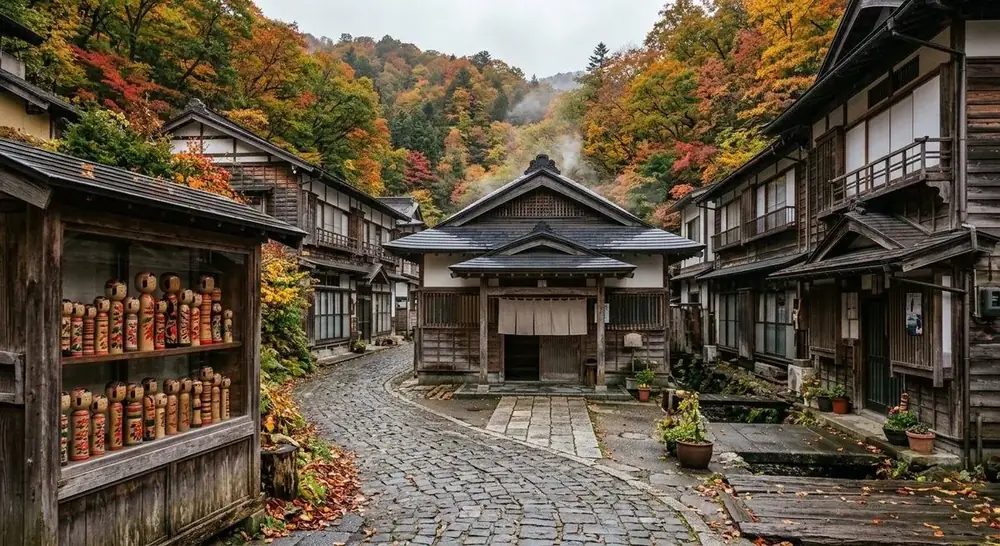
Nuruyu Onsen belongs to the Kuroishi Onsen Village in Kuroishi, Aomori, a healing-spring resort opened about 400 years ago. Legend says it was discovered by watching a crane heal its wounds in the water, and true to its name — 'warm water that lingers' — it appeared on Edo-period onsen rankings. It is a humble hot spring village clustered around the communal bath Tsuru no Meiyu, also known as the birthplace of Tsugaru-style kokeshi dolls. Sanzokukan, opened in the Meiji era, is a family-run inn with a free-flowing spring bath.
Good to know
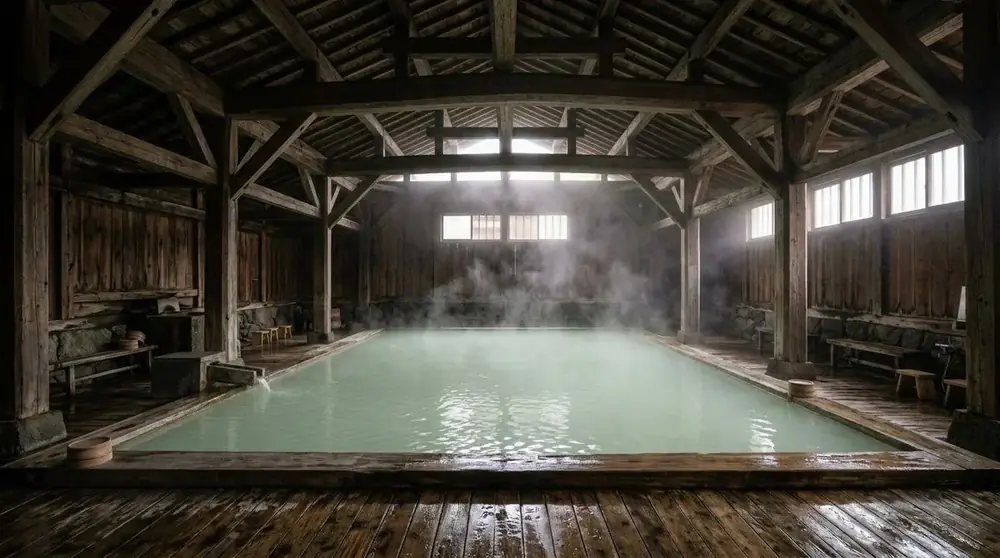
Day bathing is 8:00-21:00 for just 250 yen. The free-flowing water pours from a spout shaped like a bandit's face; it runs hot and warms the body well. Family baths are available, so those uneasy about shared bathing can relax. Combining a visit with the communal bath Tsuru no Meiyu across the way (5:00-22:00) is recommended. Kōnan Bus runs infrequently, so check the timetable.
Before you go
- No official tattoo policy is published — ask at reception.
- Ryokan day-use hours are limited and may be suspended in peak season — phone the same morning.
- Payment is usually by ticket machine in cash — bring coins.
- Last entry is 30–60 minutes before closing.
Features
Rules & private
Mood & scenery
Convenience
Amenities
✔ Verified operating: 2026-10 Operating status and rates cross-checked against the official site and onsen guides (full source notes in Japanese on the JA page)
Prices and hours change. Check official sources before visiting.
More in this area

Sukayu Onsen Hiba Sennin-buro
In the Hakkoda mountains, bathing since 1684 and Japan's first National Recuperation Onsen. A vast all-cypress mixed bath hall (about 260 m²) fed by four sources. Women-only hour 8–9 am daily; bathing garments sold on site.

Yu-sa Asamushi Roadside Station — Hadaka-yu Panoramic Bath
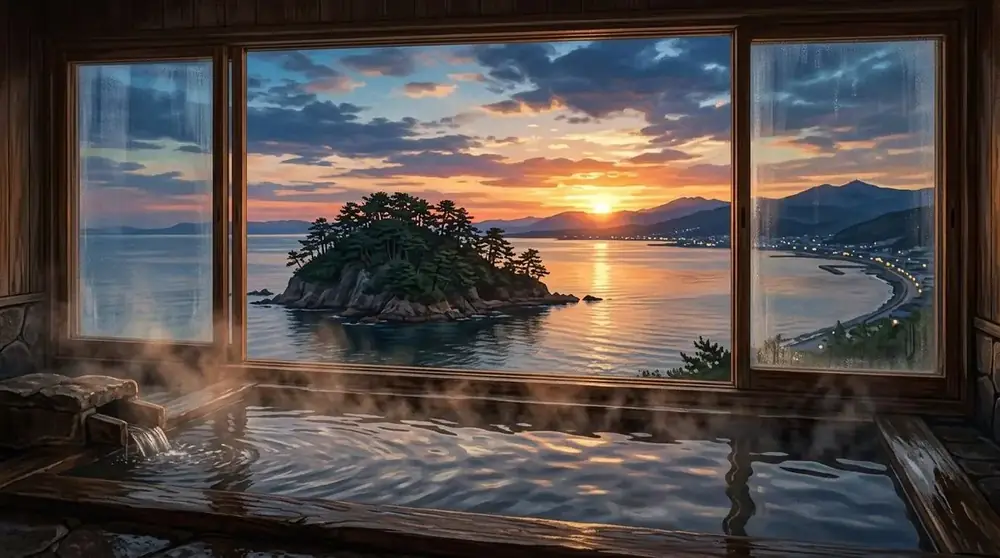
Twenty minutes by train from Aomori, a panoramic bath on the 5th floor of the roadside station at Asamushi Onsen on Mutsu Bay. Big windows frame Yunoshima island and the bay — sunset is the prime slot. Salt- and sulfate-rich water keeps you warm afterwards. Just ¥360, open 7:00–21:00 every day. The ground-floor market sells Aomori souvenirs. Two minutes' walk from Asamushi-Onsen Station.

Tsuta Onsen Ryokan
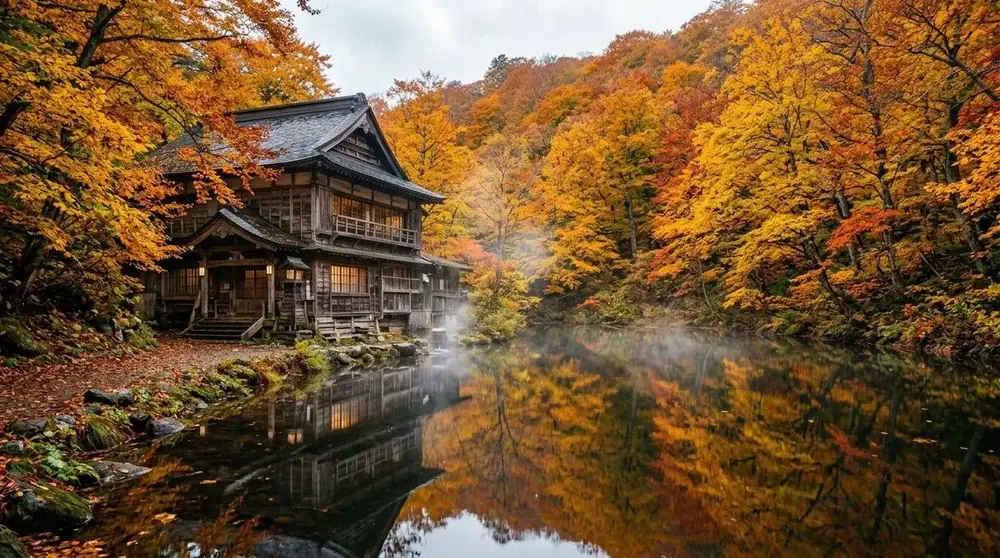
A lone inn in a primeval beech forest on the southern flank of Mt. Hakkoda. Spring water wells up directly through the gaps in the hiba-cypress boards on the tub floor — 'free-welling', so you bathe in water that has never touched air, a rarity even in Japan. The all-hiba 'Kyuan-no-yu' bathhouse from 1918 is magnificent. Day use 10:00–15:00, ¥1,000; may close early when busy. Combine with the hour-long trail around Tsuta-numa pond, famous for autumn colour. Closed in winter.