Hokkaido · Toyotomi Onsen (far north)
Toyotomi Onsen Fureai Center
豊富温泉 ふれあいセンター(町営)
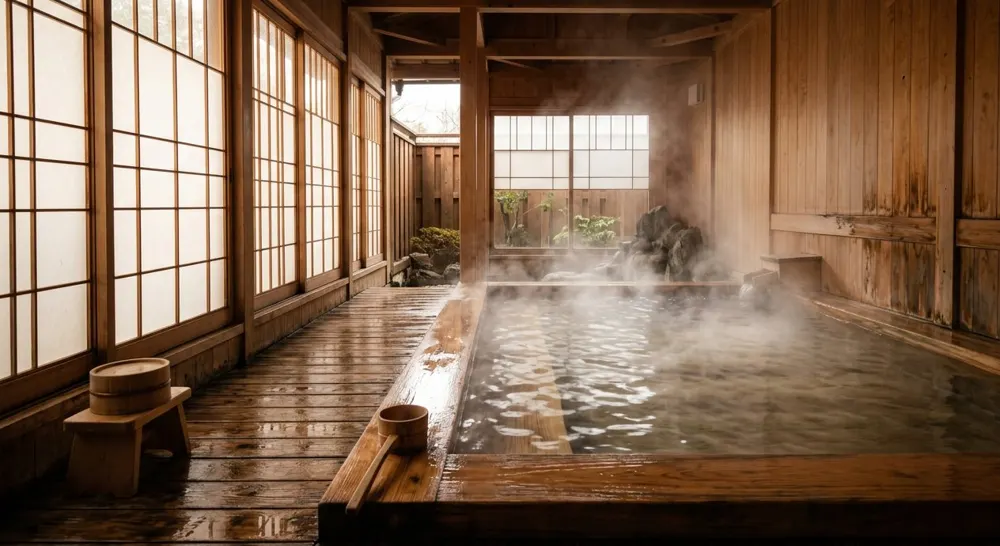
The town-run bathhouse at the heart of Toyotomi Onsen, Japan's northernmost hot-spring village, an hour by car from Wakkanai airport. The spring was struck during oil exploration in 1926 and still carries traces of petroleum — a rarity worldwide, with an oily smell and slippery feel. It is famed as a 'miracle bath' that draws people from across Japan seeking relief from atopic dermatitis and psoriasis. Besides the general bath there is a cooler cure bath for long soaks. Admission is a cheap ¥510; open 10:00–21:00 (last entry 20:30), closed every other Thursday. The canteen serves jingisukan lamb and set meals. Fit it into a far-north drive with the Sarobetsu wetlands and views of Mt Rishiri. About 10 minutes by bus from JR Toyotomi Station.
- Price (adult)
- ¥510
- Hours
- 10:00–21:00 (last entry 20:30)
- Closed
- Every other Thu (plus maintenance closures)
- Access
- About 10 min by Engan bus from JR Toyotomi Station (Sōya Line) to the Fureai Center stop; 60 min by car from Wakkanai airport; 50 min from Wakkanai city
- Water type
- Simple spring
- Tattoos
- Ask ahead
- Admission
- Adults (junior-high and up) ¥510, elementary ¥250, seniors 65+ ¥300. Up to two entries per day. No discount on the 26th 'bath day'. Paid private rooms, massage chairs and sauna are currently suspended
- Baths
- Two systems: general men's and women's baths at a comfortable temperature, and the cooler therapeutic 'toji' baths. Large rest hall on the ground floor (10:00–19:30) and upstairs rest room (10:00–17:00), restaurant 'Ajisai' (Ezo venison, jingisukan), shop and a concierge desk for cure-stay advice. Because the water contains oil, follow the in-house guidance on washing
- Water
- Iodine-bearing sodium chloride spring (mildly alkaline, hypertonic). It rises together with petroleum and natural gas — a globally rare crude-oil-bearing water with an oily film on the surface and a kerosene smell. Heated and free-flowing (temporarily diluted as of September 2026). Highly moisturising and known as a cure bath for atopic dermatitis and psoriasis; certified as a therapeutic hot-spring health facility
- Parking & access
- Free parking for 50 cars. About 10 min by car from JR Toyotomi Station on the Soya Line (town bus or taxi to the spa village), about 1 hour from Wakkanai Airport, about 4.5 hours from Sapporo. Some 6 km east of Toyotomi town centre. The spa village has many inns and guesthouses for cure-stay visitors
- Phone
- 0162-82-1777
- Official site
- toyotomi-onsen.com ↗
- Open in Google Maps
- Google Maps ↗
Essentials
Find a stay on Trip.com
Search and book accommodation across Japan on Trip.com. Day-use bathing needs no booking.
Opens partner booking site (affiliate)
Why go
- Japan's northernmost spa; petroleum-tinged water
- 'Miracle bath' for skin conditions
- ¥510; closed alternate Thursdays
The town bathhouse of Japan's northernmost spa, famed for its oily water
Toyotomi Onsen, near the Sarobetsu wetlands at the northern tip of Hokkaido, is Japan's northernmost hot-spring village. It began in 1926 when hot water gushed out with natural gas during an oil test drilling; the water carries traces of crude oil, leaving an oily film and a petroleum smell — a spring type almost unique in the world. The Fureai Centre is the town-run day bath where you can try this water, listed among Japan's 100 famous springs, for ¥510. It is a special place, drawing long-stay visitors from across the country seeking relief from atopic dermatitis and psoriasis.
Moisturising water laced with iodine and oil
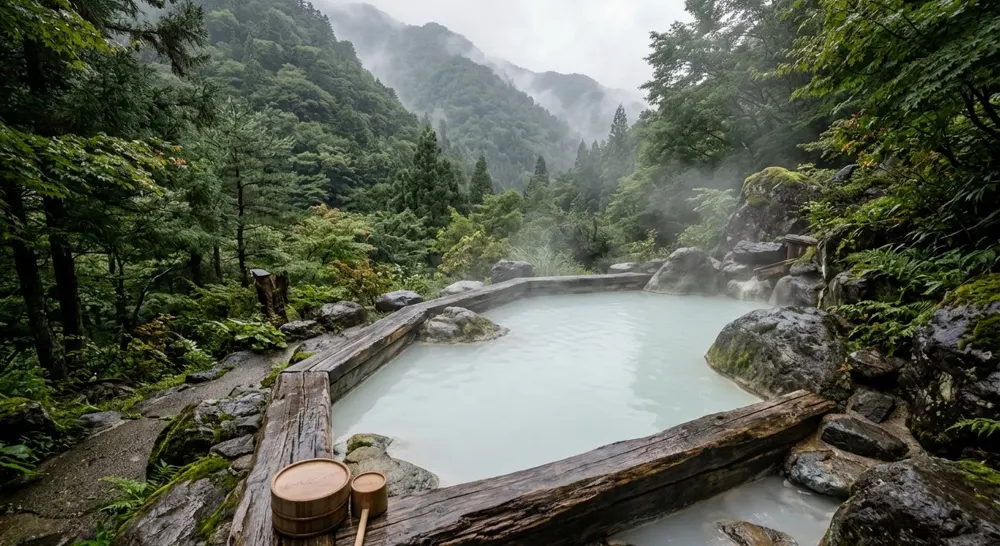
The water is an iodine-bearing sodium chloride spring (mildly alkaline, hypertonic); iodine and salt plus traces of crude oil give it a moisturising quality, as if coating the skin in a fine film. The smell and feel surprise at first, but most people notice how supple their skin feels afterwards. There are two kinds of bath — general pools at a comfortable heat, and cooler 'toji' cure baths for long soaks — so choose to suit your purpose. Because of the oil, it is good manners to follow the house guidance on how to wash, and entries are limited to two a day. As of September 2026 the centre notes that the water is temporarily being diluted owing to source conditions.
Practical details and cure-stay information
Hours are 10:00–21:00 (last entry 20:30), closed every other Thursday, with a maintenance closure in April. Adults ¥510, elementary ¥250, seniors 65+ ¥300. The sauna, massage chairs and paid rooms are currently suspended; the ground-floor rest hall (until 19:30) and the restaurant 'Ajisai' (Ezo venison dishes, jingisukan) are open. A concierge desk offers advice on therapeutic stays — consult them first if you are considering a long cure. Access is remote — 10 minutes by car from JR Toyotomi Station, an hour from Wakkanai Airport — but the village has several inns for cure guests, and a walk in the nearby Sarobetsu wetlands makes a good pairing. Check the latest calendar on the official site (toyotomi-onsen.com).
Before you go
- No official tattoo policy is published — ask at reception.
- Payment is usually by ticket machine in cash — bring coins.
- Last entry is 30–60 minutes before closing.
Features
Mood & scenery
Price
Who with
Amenities
✔ Verified operating: 2026-09 Operating status and rates cross-checked against the official site and onsen guides (full source notes in Japanese on the JA page)
Prices and hours change. Check official sources before visiting.
More in this area

Dai-ichi Takimotokan
Hokkaido's flagship onsen ryokan: a vast 5,000 m² bathhouse overlooking Jigokudani with 35 tubs fed by five spring types — sulfur, salt, sulfate and more. Day bathing is accepted from 9:00 to 18:00. An indoor heated pool makes it good for families. Tattoos not permitted.

Yumoto Sagiri-yu
The only bathhouse-style onsen in the middle of Noboribetsu's resort strip. Two spring sources piped from Jigokudani — sulfur and the alum 'eye bath' found nowhere else — for ¥500.

Noboribetsu Sekisuitei (day use)
A large hotel whose top-floor 'sky' open-air baths look over the Noboribetsu hills. Day use in two windows — 5–9 am and 11 am–7 pm — for ¥1,200. A little away from the main strip, so quieter.